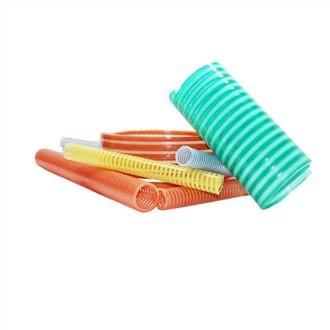
High-density polyethylene (HDPE) pipes have gained significant popularity in various industries due to their numerous advantages, such as durability, flexibility, and corrosion resistance. One important characteristic that often comes under scrutiny is the oxygen permeability of HDPE pipes. As a leading HDPE pipes supplier, we understand the significance of this property and its implications for different applications. In this blog, we will delve into the concept of oxygen permeability, explore its factors, and discuss its relevance in the context of HDPE pipes.
Understanding Oxygen Permeability
Oxygen permeability refers to the ability of a material to allow oxygen molecules to pass through it. It is a crucial property in many applications, especially those where the presence of oxygen can have a detrimental effect on the contents or the environment. For example, in water supply systems, high oxygen permeability can lead to the corrosion of metal components, the growth of bacteria, and the degradation of water quality. In the food and beverage industry, oxygen can cause spoilage and oxidation of products, reducing their shelf life and quality.


The oxygen permeability of a material is typically measured in units of volume per unit area per unit time per unit pressure difference. It is influenced by several factors, including the chemical structure of the material, its density, its crystallinity, and the temperature and humidity of the environment.
Factors Affecting the Oxygen Permeability of HDPE Pipes
- Chemical Structure: HDPE is a thermoplastic polymer composed of long chains of ethylene monomers. The chemical structure of HDPE plays a significant role in determining its oxygen permeability. The presence of polar groups or double bonds in the polymer chain can increase the solubility of oxygen in the material, leading to higher permeability. However, HDPE is a non-polar polymer with a relatively simple chemical structure, which generally results in low oxygen permeability.
- Density: The density of HDPE is another important factor affecting its oxygen permeability. High-density HDPE has a more compact molecular structure than low-density HDPE, which reduces the free volume available for oxygen molecules to diffuse through the material. As a result, high-density HDPE generally has lower oxygen permeability than low-density HDPE.
- Crystallinity: The crystallinity of HDPE refers to the degree to which the polymer chains are arranged in an ordered, crystalline structure. Crystalline regions in HDPE act as barriers to the diffusion of oxygen molecules, while amorphous regions provide pathways for oxygen transport. Therefore, HDPE with a higher degree of crystallinity typically has lower oxygen permeability than HDPE with a lower degree of crystallinity.
- Temperature and Humidity: The temperature and humidity of the environment can also have a significant impact on the oxygen permeability of HDPE pipes. As the temperature increases, the mobility of the polymer chains increases, which can lead to an increase in oxygen permeability. Similarly, high humidity can cause the polymer to absorb water, which can plasticize the material and increase its oxygen permeability.
Implications of Oxygen Permeability in HDPE Pipe Applications
- Water Supply Systems: In water supply systems, the oxygen permeability of HDPE pipes can have several implications. High oxygen permeability can lead to the corrosion of metal components, such as valves and fittings, which can reduce the lifespan of the system and increase maintenance costs. Additionally, the presence of oxygen in the water can promote the growth of bacteria and other microorganisms, which can pose a health risk to consumers. Therefore, it is important to use HDPE pipes with low oxygen permeability in water supply systems to ensure the safety and reliability of the water distribution network.
- Gas Distribution Systems: In gas distribution systems, the oxygen permeability of HDPE pipes is also a critical consideration. Oxygen can react with natural gas or other combustible gases, leading to the formation of explosive mixtures. Therefore, HDPE pipes used in gas distribution systems must have low oxygen permeability to prevent the ingress of oxygen and ensure the safety of the system.
- Agricultural Irrigation Systems: In agricultural irrigation systems, the oxygen permeability of HDPE pipes can affect the quality of the water and the health of the plants. High oxygen permeability can lead to the oxidation of fertilizers and pesticides, reducing their effectiveness. Additionally, the presence of oxygen in the water can promote the growth of algae and other aquatic plants, which can clog the pipes and reduce the efficiency of the irrigation system. Therefore, it is important to use HDPE pipes with low oxygen permeability in agricultural irrigation systems to ensure the proper functioning of the system and the health of the plants.
Our HDPE Pipes and Oxygen Permeability
As a professional HDPE pipes supplier, we are committed to providing high-quality products with low oxygen permeability. Our HDPE pipes are manufactured using advanced production techniques and high-quality raw materials, ensuring a high degree of crystallinity and density, which results in low oxygen permeability.
We offer a wide range of HDPE pipes to meet the diverse needs of our customers. For example, our 250mm Drainage Plastic Pipe is designed for efficient drainage applications, with excellent resistance to oxygen permeation. Our 8 Inch HDPE Drain Pipe is suitable for large-scale drainage projects, providing reliable performance and low oxygen permeability. And our Large Diameter Hdpe Water Pipe is ideal for water supply systems, ensuring the safety and quality of the water.
Contact Us for HDPE Pipe Procurement
If you are in need of HDPE pipes with low oxygen permeability for your project, we are here to help. Our team of experts can provide you with detailed product information, technical support, and customized solutions to meet your specific requirements. Whether you are involved in water supply, gas distribution, agricultural irrigation, or other industries, we have the right HDPE pipes for you.
We welcome you to contact us for procurement and negotiation. Our professional sales team will provide you with the best service and the most competitive prices. Let's work together to ensure the success of your project with our high-quality HDPE pipes.
References
- "Plastic Pipe Engineering Handbook" by Krishna P. Singh
- "Handbook of Thermoplastics" edited by O. Olabisi
- "Polymer Permeability" by John Comyn