Hey there! If you're here, chances are you're either a pro in the industry or just someone looking into using LPG hoses in a corrosive environment. Well, you've come to the right place. I'm an LPG hose supplier, and I've seen all sorts of situations where these hoses are put to the test. So, let's dig into the question: Can I use an LPG hose in a corrosive environment?
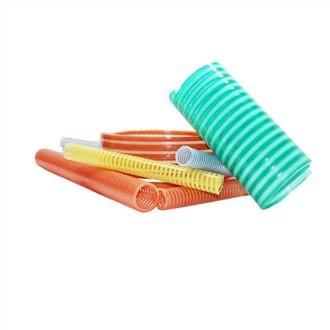
First up, let's understand what LPG hoses are all about. We offer a wide range of options on our website, like Gas Hose Pipe, Lpg Hose Pipe, Lpg Gas Connector Hose, Lpg Rubber Hose, and 8mm Lpg Hose. These hoses are designed to transport liquefied petroleum gas safely from one place to another. They come in different sizes and materials, each with its own set of features and benefits.
Now, onto the corrosive environment part. A corrosive environment can be anything from a place with high humidity, lots of chemicals in the air, or direct contact with corrosive substances. These conditions can really take a toll on materials, and LPG hoses are no exception.
One of the main factors to consider is the material of the LPG hose. Most of our hoses are made of rubber, which is a pretty versatile material. But not all rubber is created equal when it comes to corrosion resistance. Some rubbers are formulated to be more resistant to chemicals and moisture. For example, hoses made with substances like neoprene or nitrile rubber tend to have better resistance against certain types of corrosive agents. Neoprene is known for its resistance to ozone, sunlight, and many chemicals, making it a good choice for outdoor or industrial environments. Nitrile rubber, on the other hand, is great for resistance to oils and fuels, which can also be present in some corrosive settings.


However, even the most corrosion - resistant rubbers have their limits. If the corrosive environment is extremely harsh, with high concentrations of strong acids or alkalis, the hose will eventually be damaged. Continuous exposure to these substances can cause the rubber to degrade. It might start to crack, become brittle, or lose its flexibility. This not only affects the performance of the hose but can also pose a serious safety risk. A damaged hose can lead to gas leaks, which are not only a waste of fuel but also a potential fire or explosion hazard.
Another factor is the external protection of the hose. Some LPG hoses come with a protective outer layer. This layer can add an extra level of defense against corrosion. It can act as a barrier between the corrosive elements and the inner rubber layer. For instance, a PVC - coated hose can offer good protection against moisture and some mild chemicals. It can also prevent physical damage that might expose the inner layer to corrosion. But again, the quality and thickness of this outer layer matter. A thin or poorly - applied coating might not provide adequate protection over time.
The installation and maintenance of the LPG hose also play a crucial role in its performance in a corrosive environment. If the hose is not installed correctly, it can be more vulnerable to corrosion. For example, if there are kinks or sharp bends in the hose, it can create stress points where the rubber is more likely to crack and be exposed to corrosive agents. Regular maintenance is also key. This includes inspecting the hose for signs of damage, such as cracks, blisters, or discoloration. If any issues are found, it's important to replace the hose right away.
Now, you might be wondering if there are any tests or certifications to ensure the hose can handle a corrosive environment. Well, there are industry standards and tests that hoses can go through. For example, some tests simulate exposure to different corrosive substances for a certain period. Hoses that meet specific standards are often marked accordingly. When you're looking for an LPG hose for a corrosive environment, it's a good idea to look for these certifications. This way, you can have more confidence in the hose's ability to withstand the conditions.
But here's the thing. Just because a hose has a certification doesn't mean it will last forever in a corrosive environment. The actual lifespan of the hose depends on a whole bunch of factors, like the severity of the corrosion, the frequency of use, and how well it's maintained.
So, can you use an LPG hose in a corrosive environment? The short answer is yes, but with a lot of careful consideration. You need to choose the right type of hose, make sure it's installed correctly, and keep up with regular maintenance. If you're unsure which hose is best for your particular corrosive environment, don't hesitate to reach out. We're here to help you find the perfect solution for your needs.
If you're in the market for LPG hoses, whether it's for a corrosive environment or not, we've got you covered. Our Gas Hose Pipe, Lpg Hose Pipe, Lpg Gas Connector Hose, Lpg Rubber Hose, and 8mm Lpg Hose are all high - quality products that we stand behind. We're always happy to have a chat about your requirements and help you make the right choice. So, if you're thinking about a purchase or just have more questions, feel free to get in touch and let's start a conversation about your LPG hose needs.
References
- Industry standards for LPG hoses
- Technical documentation on rubber materials and their corrosion resistance