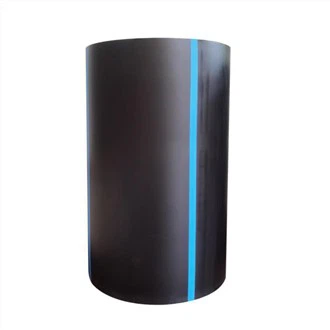
Can HDPE Pipes be Used in Offshore Platforms?
As a supplier of HDPE pipes, I am often asked about the suitability of HDPE pipes for various applications, including offshore platforms. Offshore platforms are complex and demanding environments, and the choice of materials for piping systems is crucial for ensuring safety, reliability, and efficiency. In this blog post, I will explore the potential of HDPE pipes in offshore platforms, discussing their advantages, limitations, and the key factors to consider when using them.
Advantages of HDPE Pipes for Offshore Platforms
-
Corrosion Resistance
One of the most significant advantages of HDPE pipes is their excellent corrosion resistance. Offshore platforms are exposed to harsh marine environments, including saltwater, which can cause rapid corrosion of traditional metal pipes. HDPE pipes are made of high - density polyethylene, a material that is highly resistant to corrosion, chemicals, and UV radiation. This means that HDPE pipes can withstand the corrosive effects of the marine environment without the need for costly protective coatings or cathodic protection systems. For example, in a long - term offshore project, HDPE pipes can maintain their structural integrity for decades, reducing the need for frequent replacements and maintenance.

-
Lightweight and Easy to Install
HDPE pipes are much lighter than traditional metal pipes, such as steel or cast iron. This makes them easier to handle, transport, and install on offshore platforms. The lightweight nature of HDPE pipes also reduces the load on the platform's structure, which can be beneficial for overall platform stability. Installation of HDPE pipes is typically faster and less labor - intensive compared to metal pipes, as they can be joined using techniques such as butt fusion or electrofusion. These joining methods create strong, leak - free connections, ensuring the integrity of the piping system. -
Flexibility
HDPE pipes have a high degree of flexibility, which allows them to adapt to the movement and settlement of offshore platforms. Offshore platforms are subject to various forces, including waves, tides, and wind, which can cause the platform to move and settle over time. The flexibility of HDPE pipes enables them to absorb these movements without cracking or breaking, reducing the risk of leaks and failures. This is particularly important in areas with high seismic activity or where the platform is located in deep water. -
Cost - Effectiveness
In the long run, HDPE pipes can be a cost - effective solution for offshore platforms. While the initial cost of HDPE pipes may be comparable to or slightly higher than some traditional materials, their low maintenance requirements, long service life, and ease of installation can result in significant cost savings over the life of the project. Additionally, the reduced weight of HDPE pipes can lead to lower transportation and installation costs.
Limitations of HDPE Pipes for Offshore Platforms
-
Temperature Limitations
HDPE pipes have a relatively low temperature resistance compared to some metal pipes. They can typically operate within a temperature range of - 40°C to 60°C. In high - temperature applications, such as steam or hot water systems, HDPE pipes may not be suitable. However, in most offshore platform applications, the operating temperatures are within the acceptable range for HDPE pipes. -
Pressure Limitations
HDPE pipes have pressure limitations that need to be considered. While they can handle a wide range of pressures, in high - pressure applications, the wall thickness of the HDPE pipes may need to be increased, which can increase the cost and weight of the piping system. In some cases, metal pipes may be a better choice for high - pressure applications. -
UV Degradation
Although HDPE pipes are resistant to UV radiation to a certain extent, prolonged exposure to sunlight can cause some degradation of the material. In offshore applications, where the pipes may be exposed to sunlight for extended periods, proper UV protection measures need to be taken, such as using pipes with UV stabilizers or covering the pipes with protective coatings.
Key Factors to Consider When Using HDPE Pipes in Offshore Platforms
-
Design and Engineering
Proper design and engineering are essential when using HDPE pipes in offshore platforms. The design should take into account factors such as the operating pressure, temperature, flow rate, and the specific environmental conditions of the platform. A qualified engineer should be involved in the design process to ensure that the HDPE pipes are selected and installed correctly. -
Installation and Joining
The installation and joining of HDPE pipes require specific techniques and equipment. It is important to follow the manufacturer's guidelines and industry standards for installation. Proper training of the installation team is also crucial to ensure that the pipes are installed correctly and that the joints are leak - free. -
Maintenance and Inspection
Regular maintenance and inspection of the HDPE piping system are necessary to ensure its long - term performance. This includes checking for signs of damage, leaks, or degradation. Any issues should be addressed promptly to prevent further damage and ensure the safety of the platform.
Examples of HDPE Pipe Applications in Offshore Platforms
-
Ballast Water Systems
HDPE pipes are commonly used in ballast water systems on offshore platforms. Ballast water is used to stabilize the platform, and HDPE pipes are well - suited for this application due to their corrosion resistance and flexibility. The pipes can handle the flow of ballast water and withstand the pressure and movement associated with the ballasting process. -
Firefighting Systems
HDPE pipes can also be used in firefighting systems on offshore platforms. Their corrosion resistance and ability to handle high - pressure water make them a suitable choice for transporting water to the fire - fighting equipment. -
Cooling Water Systems
In cooling water systems, HDPE pipes can be used to circulate water for cooling purposes. Their resistance to corrosion and the ability to handle the flow of water make them a reliable option for this application.
Conclusion
In conclusion, HDPE pipes have significant potential for use in offshore platforms. Their corrosion resistance, lightweight, flexibility, and cost - effectiveness make them an attractive option for many applications. However, it is important to consider their limitations, such as temperature and pressure limitations, and to take appropriate measures to ensure their proper use. By carefully considering the design, installation, and maintenance of HDPE pipes, they can provide a reliable and long - lasting solution for offshore platform piping systems.
If you are interested in purchasing HDPE pipes for your offshore platform or other applications, we offer a wide range of high - quality HDPE pipes, including Plastic Pe100 Hdpe Pipe, 250mm Drainage Plastic Pipe, and HDPE Agricultural Irrigation Pipe. Please feel free to contact us for more information and to discuss your specific requirements. We look forward to working with you to find the best HDPE pipe solution for your project.
References
- ASME B31.3 Process Piping Code
- ASTM D3350 Standard Specification for Polyethylene (PE) Plastic Pipe and Fittings Materials
- ISO 4427 Plastics pipes and fittings -- Polyethylene (PE) pipes for water supply -- Specifications