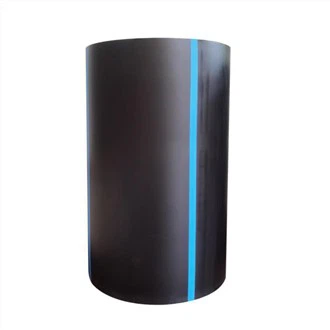
The use of PPR (Polypropylene Random Copolymer) pipes has become widespread in various plumbing and piping systems due to their excellent properties such as corrosion resistance, durability, and ease of installation. As a PPR pipe supplier, I often receive inquiries about the suitability of PPR pipes for gas pipelines. In this blog post, I will delve into the technical aspects, safety concerns, and regulatory requirements to determine whether PPR pipes can be used in gas pipelines.
Technical Properties of PPR Pipes
PPR pipes are made from a type of polypropylene that is modified with random copolymerization, resulting in a material with high strength, good heat resistance, and low thermal conductivity. These pipes are commonly used for cold and hot water supply systems, as well as in some industrial applications. The smooth inner surface of PPR pipes reduces friction and prevents the accumulation of scale and debris, ensuring a long - term and efficient flow of fluids.
However, when it comes to gas pipelines, the requirements are significantly different. Gas, especially natural gas and liquefied petroleum gas (LPG), has specific properties that need to be considered. For instance, gas is highly flammable, and any leakage can lead to serious safety hazards. The pressure and temperature conditions in gas pipelines can also vary widely, and the pipes must be able to withstand these fluctuations.
Compatibility with Gas
One of the primary concerns with using PPR pipes for gas is the compatibility of the material with the gas components. Gas may contain various substances such as sulfur compounds, which can potentially react with the PPR material over time. Although PPR is generally resistant to many chemicals, the long - term exposure to certain gas components could cause degradation of the pipe material, leading to reduced strength and increased brittleness.
In terms of permeability, PPR pipes have a certain degree of gas permeability. This means that over time, small amounts of gas can seep through the pipe walls. While this may not be a significant issue in some low - pressure applications, it can pose a safety risk in gas pipelines, as even a minor gas leak can accumulate and create a combustible atmosphere.
Pressure and Temperature Resistance
Gas pipelines often operate under high pressures. PPR pipes are typically rated for lower pressure applications compared to traditional gas pipes such as steel or copper. The pressure capacity of PPR pipes depends on factors like pipe diameter, wall thickness, and temperature. As the temperature increases, the pressure - bearing capacity of PPR pipes decreases. In gas pipelines, during peak usage or in hot environments, the pressure and temperature can rise significantly, which may exceed the safe operating limits of PPR pipes.


Moreover, the temperature fluctuations in gas pipelines can cause the PPR pipes to expand and contract. If the pipes are not properly installed or designed to accommodate these thermal movements, it can lead to pipe deformation, joint failures, and ultimately, gas leaks.
Safety Considerations
Safety is of utmost importance when it comes to gas pipelines. Traditional materials like steel and copper have been used for gas distribution for many years and have a proven track record of safety. PPR pipes, on the other hand, are not as well - established in gas applications. In the event of a fire, PPR pipes can melt and contribute to the spread of the fire, whereas steel pipes are more fire - resistant.
Even if the PPR pipes meet the initial technical requirements, there is a lack of long - term data on their performance in gas pipelines. The aging and degradation of PPR pipes under the influence of gas, pressure, and temperature over several decades are not fully understood, which makes it difficult to guarantee the long - term safety of gas systems using PPR pipes.
Regulatory Requirements
Regulatory bodies around the world have strict regulations regarding the materials used in gas pipelines. In most countries, the use of PPR pipes in gas pipelines is either prohibited or severely restricted. These regulations are in place to ensure the safety of the public and the reliability of the gas distribution network.
For example, local building codes and safety standards usually specify that only approved materials such as steel, copper, and polyethylene (PE) pipes can be used for gas supply. These materials have undergone rigorous testing and meet the necessary safety and performance criteria.
Alternative Solutions
If you are in the market for gas pipeline solutions, there are several reliable alternatives to PPR pipes. Steel pipes are known for their high strength and excellent pressure - resistance. They are suitable for high - pressure gas applications and can withstand harsh environmental conditions. Copper pipes, on the other hand, are corrosion - resistant and have good flexibility, making them easy to install.
Polyethylene (PE) pipes are also commonly used in gas distribution systems. They are lightweight, easy to handle, and have good resistance to chemicals and corrosion. PE pipes are specifically designed for gas applications and meet the relevant safety standards.
Our PPR Pipe Offerings
Although PPR pipes may not be suitable for gas pipelines, they are still an excellent choice for water supply systems. As a PPR pipe supplier, we offer a wide range of Plastic Pipe Ppr products that are designed to meet the highest quality standards. Our Plumbers Ppr Pipe are easy to install and come in various sizes and thicknesses to suit different applications.
Our Plastic Pipe Polypropylene products are made from high - quality raw materials, ensuring long - term durability and performance. We also provide technical support and guidance to our customers to ensure that they choose the right PPR pipes for their projects.
Conclusion
In conclusion, while PPR pipes have many advantages in water supply systems, their use in gas pipelines is not recommended due to concerns about compatibility with gas, pressure and temperature resistance, safety, and regulatory requirements. As a responsible PPR pipe supplier, I always prioritize the safety and satisfaction of our customers. If you are looking for high - quality PPR pipes for your water supply projects, we are here to provide you with the best products and services.
If you have any questions or are interested in purchasing our PPR pipes, please feel free to contact us for a detailed discussion. We are eager to assist you in finding the most suitable piping solutions for your needs.
References
- "Handbook of Plastic Pipe Systems" - This comprehensive handbook provides in - depth information on the properties and applications of various plastic pipes, including PPR.
- Local building codes and safety standards related to gas pipelines, which outline the approved materials and installation requirements.
- Technical reports and research papers on the performance of PPR pipes under different environmental and operating conditions.