Hey there! As a PPR pipe supplier, I often get asked about the minimum temperature that PPR pipes can withstand. It's a crucial question, especially for those in regions with cold climates or for projects where the pipes will be exposed to low temperatures. So, let's dive right in and explore this topic.

Understanding PPR Pipes
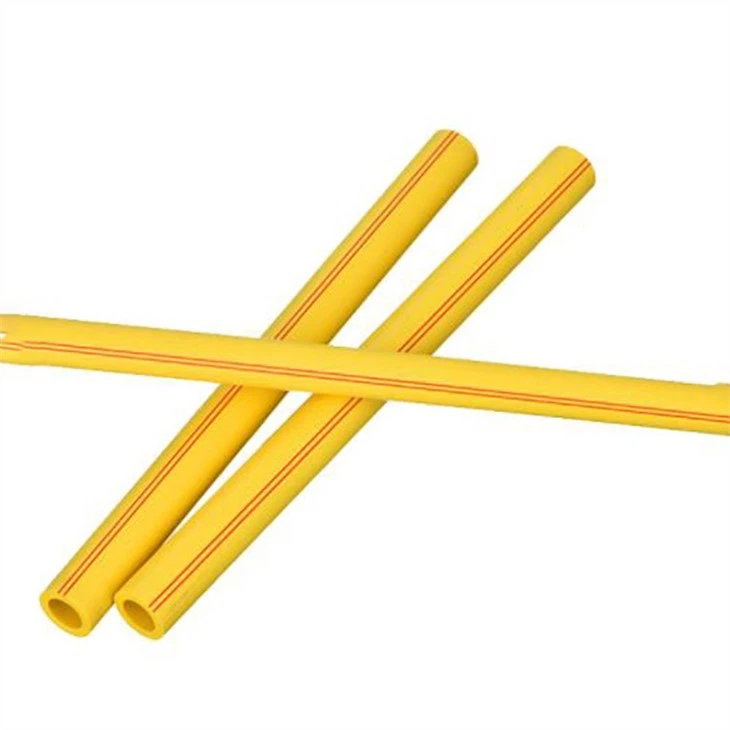
First off, let's quickly go over what PPR pipes are. PPR stands for Polypropylene Random Copolymer. These pipes are widely used in plumbing systems because they're lightweight, corrosion - resistant, and have good thermal insulation properties. They're commonly used for both hot and cold water supply in residential and commercial buildings. You can check out more about Plastic Pipe Polypropylene on our website.
The Minimum Temperature Tolerance
PPR pipes are generally designed to handle a wide range of temperatures. However, when it comes to the minimum temperature, it's important to understand that there's a limit. Most PPR pipes can withstand temperatures as low as -20°C (-4°F). But this doesn't mean they'll perform perfectly at these temperatures.
At extremely low temperatures, PPR pipes become more brittle. The material's molecular structure changes, and it loses some of its flexibility. This makes the pipes more prone to cracking if they're subjected to any kind of impact or stress. For example, if there's a sudden change in water pressure or if the pipes are bumped during installation, they could crack at low temperatures.
Factors Affecting the Minimum Temperature Tolerance
There are several factors that can affect how well PPR pipes handle low temperatures.
Pipe Thickness
Thicker PPR pipes tend to be more resistant to low - temperature damage. A thicker wall provides more insulation and can better withstand the stress caused by cold temperatures. So, if you're in an area with very cold winters, it might be a good idea to choose pipes with a greater wall thickness. You can find a variety of Plumbers Ppr Pipe options on our site.
Installation Quality
Proper installation is key. If the pipes are installed incorrectly, they're more likely to fail at low temperatures. For instance, if the pipes are not properly supported, they can sag and develop stress points. This can lead to cracks when the temperature drops. Make sure the installation is done by a professional who knows how to handle PPR pipes in cold conditions.
Water Content
If there's water inside the pipes when the temperature drops below freezing, the water will expand as it turns to ice. This expansion can put a lot of pressure on the pipes and cause them to burst. That's why it's important to drain the pipes in areas where the temperature regularly drops below freezing.
Precautions for Low - Temperature Use
If you're using PPR pipes in cold environments, here are some precautions you can take.
Insulation
Insulating the pipes is one of the best ways to protect them from low temperatures. You can use insulation materials like foam sleeves or fiberglass insulation. This helps to keep the pipes warm and reduces the risk of freezing.
Monitoring
Regularly monitor the pipes for any signs of damage, especially during cold spells. Look for cracks, leaks, or any other visible signs of stress. If you notice any issues, address them immediately to prevent further damage.
Drainage
As mentioned earlier, make sure to drain the pipes if you expect the temperature to drop below freezing. This can be done by turning off the water supply and opening all the faucets to let the water out.
Real - World Examples
I've seen many cases where PPR pipes have been used in cold climates. In some northern regions, where the winter temperatures can drop well below -20°C, proper insulation and installation have made a huge difference. For example, a building in a cold area had PPR pipes installed for its water supply. The pipes were well - insulated, and the installation was done by a professional. Even during the coldest months, the pipes remained intact and continued to function properly.
On the other hand, I've also seen situations where improper installation or lack of insulation led to pipe failures. In one case, a DIY installation in a cold area didn't take into account the low - temperature conditions. The pipes were not properly supported, and there was no insulation. As a result, when the temperature dropped, the pipes cracked, causing water leaks and damage to the building.
Why Choose Our PPR Pipes
As a PPR pipe supplier, we take pride in offering high - quality pipes that can withstand a wide range of temperatures. Our pipes are made from top - grade materials and are tested to ensure they meet the highest standards. Whether you're in a warm or cold climate, our Plastic Pipe Ppr can be a reliable choice for your plumbing needs.
Contact Us for Your PPR Pipe Needs
If you're in the market for PPR pipes, we'd love to hear from you. Whether you're a contractor working on a large - scale project or a homeowner looking to upgrade your plumbing system, we have the right pipes for you. We can provide you with detailed information about our products, help you choose the right pipes for your specific needs, and offer competitive pricing. So, don't hesitate to reach out and start a conversation about your PPR pipe requirements.
References
- "Handbook of Polypropylene and Polypropylene Composites" by Carlos V. Rodrıguez - Garcıa, Jose M. Kenny
- "Plastic Pipes: Properties, Design, and Applications" by M. W. Kelland