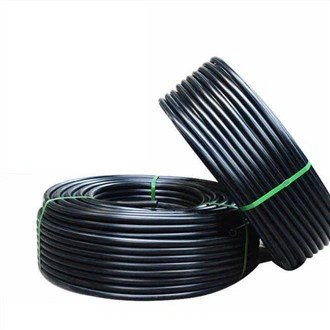
As an industrial hose supplier, I've witnessed firsthand the importance of proper handling during transportation. Industrial hoses are essential components in various industries, from manufacturing and construction to oil and gas. Ensuring they reach their destination in optimal condition is not only crucial for customer satisfaction but also for the safety and efficiency of the end-users. In this blog, I'll share some key tips on how to handle industrial hoses during transportation.
Pre - transportation Preparation
Inspection
Before loading the hoses onto the transport vehicle, a thorough inspection is necessary. Check for any visible signs of damage such as cuts, abrasions, bulges, or leaks. For example, a 4'' Black Nitrile Hose used in chemical transfer applications may be more prone to chemical - related damage. If any damage is detected, it should be noted, and the hoses may need to be repaired or replaced. This step helps prevent the transportation of faulty hoses, which could lead to safety hazards and potential product returns.
Cleaning
Dirty hoses can pose risks during transportation. Residue from previous use, such as oil, chemicals, or dirt, can cause problems. For instance, if a High Pressure Fuel Hose has fuel residue on the outside, it may be a fire hazard. Use appropriate cleaning agents and methods to ensure the hoses are clean. This not only protects the hoses during transportation but also makes them more presentable to the customers.
Packaging
Proper packaging is vital to safeguard the hoses. Depending on the type and size of the hoses, different packaging materials and methods can be employed. Smaller hoses can be bundled and placed in protective plastic bags or cardboard boxes. Larger hoses may require custom - made crates. The packaging should provide enough cushioning to prevent impact damage. For example, foam inserts can be used to line the boxes or crates, especially for delicate hoses like Fuel Hose Gasoline, which need to be protected from potential punctures.
Loading the Hoses
Weight Distribution
When loading industrial hoses onto the transport vehicle, weight distribution is crucial. Uneven weight distribution can cause the vehicle to become unstable, increasing the risk of accidents. Ensure that the hoses are evenly spread across the vehicle's cargo area. If the hoses are heavy, they should be placed closer to the center of the vehicle to maintain balance. For example, when loading a large quantity of long - length industrial hoses, stagger the placement to avoid having too much weight concentrated at one end.
Stacking
Stacking industrial hoses should be done carefully. Stack them in a stable manner to prevent them from falling over during transit. Place the heavier hoses at the bottom and the lighter ones on top. Be cautious not to stack hoses too high, as this can also lead to instability. If the hoses have different diameters or shapes, they may need to be stacked in a way that they fit together snugly to prevent shifting.
Securing
Once the hoses are loaded and stacked, they must be properly secured. Use straps, ropes, or nets to hold the hoses in place. Make sure the securing materials are strong enough to withstand the vibrations and movements of the vehicle during transportation. For example, ratchet straps can be tightened to keep the hoses firmly in position. This helps prevent the hoses from rubbing against each other or the sides of the vehicle, which could cause damage.
During Transportation
Temperature and Environment
Industrial hoses can be affected by temperature and environmental conditions during transportation. Extreme heat or cold can cause the hoses to become brittle or lose their flexibility. For hoses being transported in hot climates, it is advisable to have the vehicle equipped with proper ventilation to prevent overheating. In cold climates, the hoses may need to be insulated. If the hoses are sensitive to humidity, ensure that the transport environment is dry, as excessive moisture can lead to corrosion or mold growth.
Vehicle Handling
The driver's handling of the vehicle also plays a significant role in hose transportation. Encourage the driver to drive smoothly, avoiding sudden stops, starts, and sharp turns. These abrupt movements can cause the hoses to shift and potentially damage each other. Additionally, the driver should be aware of the road conditions and take extra precautions on rough or bumpy roads to minimize the impact on the hoses.
Monitoring
If possible, set up a monitoring system to keep track of the hoses during transportation. This could include using sensors to monitor temperature, humidity, and any impacts the hoses may experience. Real - time monitoring allows for immediate action to be taken if any issues are detected, such as a sudden increase in temperature inside the cargo area.
Unloading and Delivery
Gentle Unloading
When it comes to unloading the industrial hoses, use gentle methods. Avoid dropping or throwing the hoses, as this can cause damage. Use appropriate equipment such as forklifts or hoists, and ensure that the operators are trained to handle the hoses properly. For example, when unloading large - diameter hoses, it may be necessary to use a spreader bar to distribute the weight evenly and prevent damage to the hoses.


Final Inspection
After unloading, conduct a final inspection of the hoses before delivering them to the customer. Check for any damage that may have occurred during transportation. Document any issues and communicate with the customer if necessary. This final inspection provides an extra layer of quality control and helps build trust with the customer.
Conclusion
Proper handling of industrial hoses during transportation is a multi - step process that requires attention to detail at every stage. From pre - transportation preparation to unloading and delivery, each step plays a crucial role in ensuring the hoses reach the customer in excellent condition. By following these guidelines, you can minimize the risk of damage and provide high - quality products to your customers.
If you are in need of industrial hoses or have any questions about our transportation and handling processes, we invite you to contact us to discuss your specific requirements. Our team of experts is ready to assist you in finding the right hoses for your applications.
References
- "Industrial Hose Handbook" by Hose Manufacturers Institute
- Various industry - specific safety standards and guidelines related to the transportation of industrial products.