Are industrial hoses suitable for vacuum applications? That's a question I get asked a lot as an industrial hose supplier. In this blog, I'll break down the ins and outs of using industrial hoses for vacuum work, sharing what I've learned from years in the business.
First off, let's talk about what makes a hose good for vacuum applications. When you're dealing with vacuum, the hose needs to withstand the pressure difference between the inside and the outside. A vacuum creates a negative pressure inside the hose, and the outside air pressure tries to crush it. So, the hose has to be strong enough to resist this crushing force.
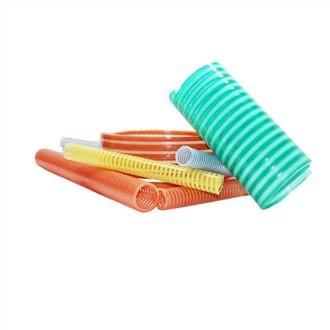
One of the key factors is the hose's construction. Industrial hoses come in different types, and not all of them are built for vacuum use. For example, some hoses are made with a simple single-layer design. These might be okay for low-pressure or normal flow applications, but they're likely to collapse under vacuum. On the other hand, hoses with multiple layers or reinforced construction are much better for vacuum work. The reinforcement can be in the form of spiral wires, braids, or other materials that add strength and stability to the hose.
Let's look at some of the common types of industrial hoses and see how they fare in vacuum applications.
1. Fuel Hoses
Fuel hoses are often needed for a variety of applications, including those that might involve some level of vacuum. The Fuel Hose Gasoline I offer is designed to handle the specific requirements of transporting gasoline. When it comes to vacuum, this type of hose usually has a certain level of reinforcement. The materials used in these hoses are resistant to the solvents in gasoline, and they also need to be able to hold up under the forces created by a vacuum. However, it's important to note that not all fuel hoses are suitable for high-vacuum situations. Some are only rated for low levels of vacuum, so you need to check the specifications carefully.
2. High-Pressure Fuel Hoses
Now, High Pressure Fuel Hose is a bit different. These hoses are built to handle much higher pressures, which also means they can often handle vacuums better. The reinforced construction that allows them to withstand high-pressure fluid flow also gives them the strength to resist collapse under vacuum. They're typically made with stronger materials and more robust reinforcement, making them a good choice for applications where a significant vacuum is involved. But again, always check the manufacturer's ratings to make sure it meets your specific vacuum requirements.
3. Nitrile Hoses
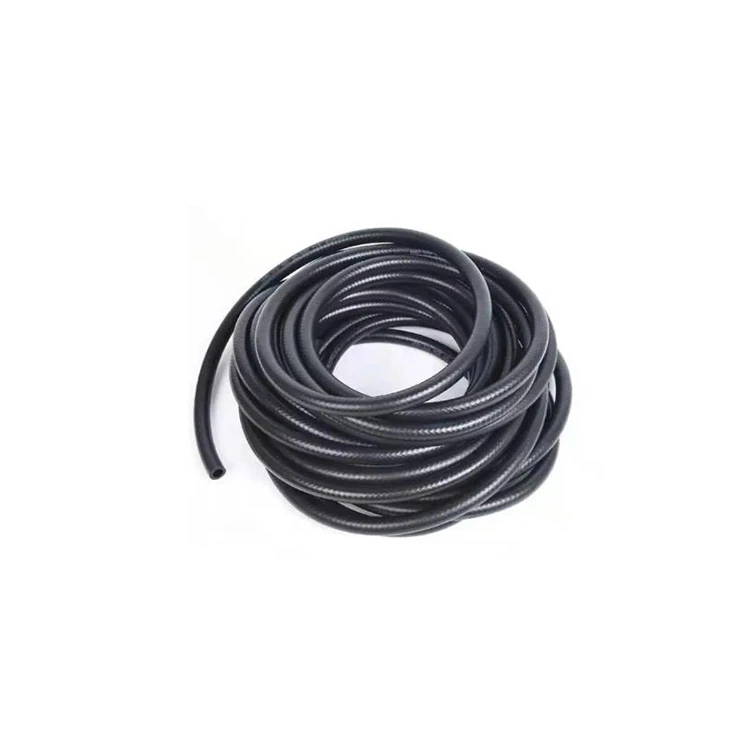
Nitrile hoses are known for their resistance to oil, chemicals, and abrasion. Take the 4'' Black Nitrile Hose for example. This type of hose can be used in a wide range of applications, including some vacuum scenarios. The nitrile material provides good flexibility and durability, and when combined with proper reinforcement, it can handle a moderate amount of vacuum. But if you're dealing with a very high vacuum, you might need to look for a specialized nitrile hose with extra reinforcement or a different construction.
Choosing the right hose for vacuum applications also depends on other factors like the temperature, the type of fluid or gas being transported, and the length of the hose.
Temperature
Extreme temperatures can affect the performance of the hose. In cold temperatures, the rubber or other materials in the hose can become brittle, reducing its ability to resist collapse under vacuum. On the other hand, high temperatures can cause the materials to soften, which can also lead to issues. So, make sure to choose a hose that's rated for the temperature range of your application.
Type of Fluid or Gas
The substance flowing through the hose can also have an impact. Some chemicals or gases can react with the hose material, weakening it over time. For example, if you're using a hose to transport a corrosive chemical under vacuum, you need to make sure the hose is made of a material that's resistant to that chemical.
Hose Length
The longer the hose, the more resistance there is to the flow of air or fluid under vacuum. This can increase the pressure drop and make it more difficult for the vacuum system to operate effectively. So, try to keep the hose as short as possible while still meeting your application requirements.
In my experience, it's always a good idea to consult with an expert when you're not sure which hose to use for a vacuum application. I've helped many customers figure out the best hose for their needs, taking into account all the factors I've mentioned above.
If you're in the market for an industrial hose for a vacuum application, don't hesitate to reach out. I can provide detailed information about the hoses I offer, including their specifications, ratings, and suitability for your specific situation. Whether you need a fuel hose, a high-pressure fuel hose, or a nitrile hose, I've got you covered. Let's have a chat and find the perfect hose for your project.

References
- Industrial Hose Handbook, various industry publications
- Manufacturer's specifications for fuel hoses, high-pressure fuel hoses, and nitrile hoses