As a PVC pipe supplier, I've often been asked about the recyclability of PVC pipes. This is a crucial question in today's environmentally - conscious world, where sustainable practices are not just a trend but a necessity. In this blog, I'll delve into the details of PVC pipe recycling, exploring the process, challenges, and the broader implications for our industry.
Understanding PVC Pipes
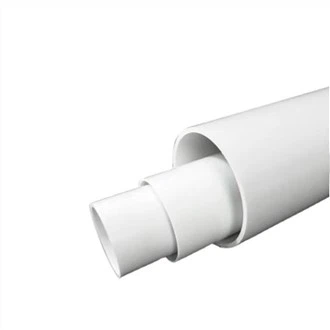
Before we discuss recycling, it's essential to understand what PVC pipes are. PVC, or polyvinyl chloride, is a widely used plastic known for its durability, chemical resistance, and cost - effectiveness. These properties make PVC pipes a popular choice for various applications, including Plastic Pvc Water Pipe systems, sewerage networks, and electrical conduits.
PVC pipes come in different sizes and colors. For instance, there are 20 Inch Diameter Pvc Pipe used for large - scale industrial and municipal projects, and Blue Color Pvc Pipe which may be used for specific applications where color coding is important, such as in potable water systems to distinguish them from other types of pipes.
The Recyclability of PVC Pipes
The short answer is yes, PVC pipes can be recycled. However, the process is not as straightforward as with some other plastics. PVC is a type 3 plastic on the resin identification code system, which indicates that it has unique recycling challenges.
The Recycling Process
The recycling of PVC pipes typically starts with the collection of used pipes. Once collected, the pipes are sorted based on their type, quality, and color. This is an important step because different types of PVC may have different additives, and color can also affect the final product's quality when recycled.
After sorting, the pipes are shredded into small pieces. These pieces are then cleaned to remove any dirt, debris, or other contaminants. The next stage involves melting the shredded PVC. During this melting process, the PVC is transformed into a viscous liquid that can be molded into new products.
The recycled PVC can be used to make a variety of items, including new pipes, fittings, and profiles. However, it's important to note that the quality of recycled PVC may not be as high as virgin PVC. As a result, recycled PVC is often used in applications where high - performance is not the primary requirement.
Challenges in PVC Pipe Recycling
Despite the fact that PVC pipes can be recycled, there are several challenges associated with the process. One of the main challenges is the presence of additives in PVC pipes. PVC is often mixed with various additives such as plasticizers, stabilizers, and colorants to enhance its properties. These additives can make the recycling process more complex and can also affect the quality of the recycled product.
Another challenge is the lack of a well - established recycling infrastructure for PVC pipes. Compared to more commonly recycled plastics like PET (polyethylene terephthalate), the recycling market for PVC pipes is relatively small. This means that there are fewer collection points and recycling facilities available for PVC pipes.
In addition, the cost of recycling PVC pipes can be relatively high. The energy required to melt and process PVC is significant, and the sorting and cleaning processes also add to the overall cost. This can make recycled PVC pipes more expensive than their virgin counterparts in some cases.
The Environmental Impact of PVC Pipe Recycling
Recycling PVC pipes has several environmental benefits. First and foremost, it reduces the amount of plastic waste that ends up in landfills. PVC is a durable plastic, which means that it can take hundreds of years to decompose in a landfill. By recycling PVC pipes, we can extend the lifespan of this material and reduce the demand for virgin PVC production.
Secondly, recycling PVC pipes can help conserve natural resources. The production of virgin PVC requires significant amounts of fossil fuels and other raw materials. By using recycled PVC, we can reduce our reliance on these finite resources and minimize the environmental impact of PVC production.
However, it's important to consider the entire life cycle of PVC pipes when evaluating their environmental impact. While recycling is beneficial, the production, transportation, and disposal of PVC pipes also have environmental consequences. For example, the production of PVC involves the use of chlorine, which can be harmful to the environment if not properly managed.
The Future of PVC Pipe Recycling
Despite the challenges, there is growing interest in PVC pipe recycling. Governments and environmental organizations are increasingly recognizing the importance of recycling and are implementing policies and initiatives to encourage it. For example, some countries have introduced regulations that require a certain percentage of plastic waste to be recycled.


In addition, the PVC industry is also taking steps to improve the recyclability of its products. Manufacturers are developing new formulations of PVC that are easier to recycle and have fewer additives. They are also working on improving the collection and recycling infrastructure for PVC pipes.
As a PVC pipe supplier, I'm committed to promoting sustainable practices in our industry. We believe that by working together with our customers, recycling facilities, and other stakeholders, we can increase the recycling rate of PVC pipes and reduce their environmental impact.
Conclusion
In conclusion, PVC pipes can be recycled, but the process is accompanied by significant challenges. The presence of additives, the lack of a well - established recycling infrastructure, and the relatively high cost of recycling are all factors that need to be addressed. However, the environmental benefits of PVC pipe recycling, such as waste reduction and resource conservation, make it a worthy endeavor.
If you're interested in learning more about our Plastic Pvc Water Pipe, 20 Inch Diameter Pvc Pipe, or Blue Color Pvc Pipe, or have any questions about PVC pipe recycling, please feel free to reach out. We're here to provide you with the best products and services, and to discuss possible procurement and cooperation opportunities. Let's work together to build a more sustainable future.
References
- European Council of Vinyl Manufacturers (ECVM). "The Vinyl Industry and Recycling." 2023.
- American Chemistry Council. "PVC: A Material for the Future." 2022.
- United Nations Environment Programme (UNEP). "Plastic Waste Management." 2023.