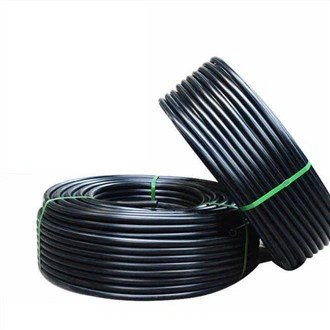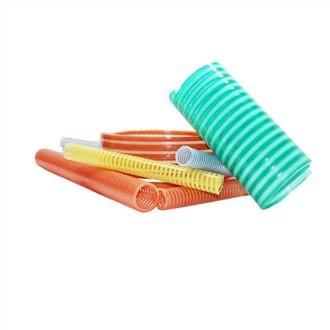
HDPE, or High-Density Polyethylene, pipes have become a staple in various industries due to their numerous advantages. As a supplier of HDPE pipes, I've witnessed firsthand the growing demand for these products. One of the most common questions I receive from customers is whether HDPE pipes are easy to install. In this blog post, I'll delve into the factors that make HDPE pipes relatively easy to install and why they are a preferred choice for many projects.
Material Characteristics of HDPE Pipes
HDPE pipes are made from a thermoplastic polymer known for its high strength-to-density ratio. This material is lightweight compared to traditional materials like steel or concrete. The lightweight nature of HDPE pipes makes them easier to handle and transport. For instance, a crew can move HDPE pipes around a construction site with less physical effort compared to heavier pipes. This reduces the need for heavy machinery in some cases, which can lead to cost savings and a more efficient installation process.

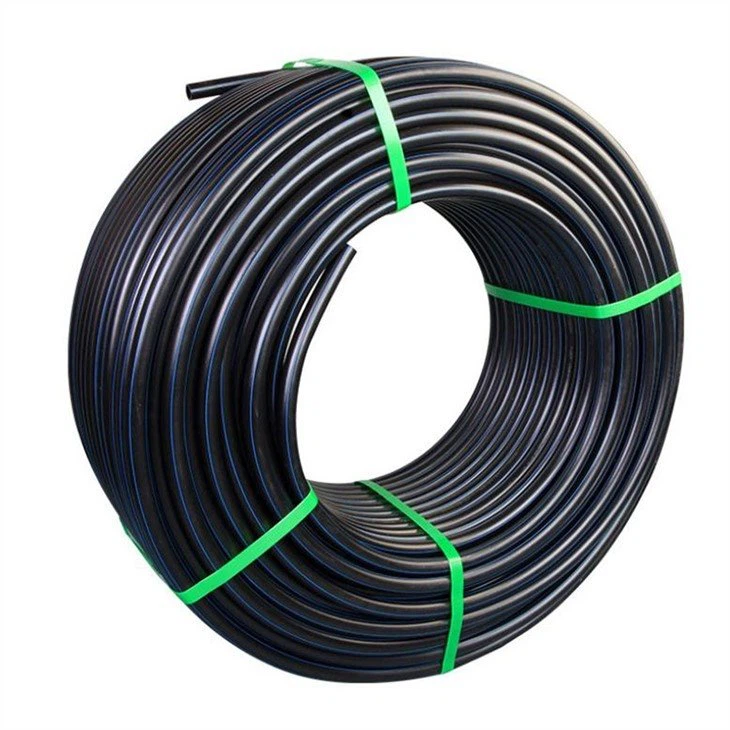
Another important characteristic is the flexibility of HDPE pipes. They can be bent to a certain degree without cracking or breaking. This flexibility allows for easier installation around obstacles and in areas with irregular terrain. For example, in an agricultural setting where the land may not be perfectly flat, HDPE pipes can be easily adjusted to follow the contours of the land. This is in contrast to rigid pipes that may require more complex installation methods or additional joints to navigate around obstacles.
Installation Methods
There are several installation methods available for HDPE pipes, each with its own advantages and suitability for different applications.
Butt Fusion Welding
Butt fusion welding is one of the most common methods for joining HDPE pipes. This process involves heating the ends of two pipes and then pressing them together to form a strong, leak-proof joint. The equipment required for butt fusion welding is relatively simple and easy to operate. With proper training, a technician can quickly master the technique. The resulting joint is as strong as the pipe itself, ensuring a long-lasting and reliable connection. This method is commonly used in water supply and drainage systems.
Electrofusion Welding
Electrofusion welding is another popular method, especially for joining pipes in hard-to-reach areas or when a high level of precision is required. In this process, an electrofusion fitting with embedded heating elements is placed over the pipe ends. An electric current is then passed through the heating elements, melting the plastic and creating a bond between the fitting and the pipes. Electrofusion welding provides a high-quality joint and is often used in gas distribution systems and industrial applications.
Mechanical Joints
Mechanical joints are a quick and easy way to connect HDPE pipes. These joints use rubber gaskets to seal the connection between pipes. They are ideal for applications where disassembly may be required in the future, such as in temporary water supply systems. Mechanical joints are also suitable for areas with high seismic activity, as they can accommodate some movement without compromising the integrity of the system.
Ease of Installation in Different Applications
Water Supply Systems
In water supply systems, HDPE pipes offer several advantages in terms of installation. Their smooth inner surface reduces friction, allowing for better water flow. This means that smaller diameter pipes can be used, which are easier to install. Additionally, the lightweight nature of HDPE pipes makes them easier to handle during installation, especially in areas where access is limited. The flexibility of HDPE pipes also allows for easy installation in tight spaces, such as under buildings or in narrow trenches.
Agricultural Irrigation
Agricultural Irrigation Flexible Water Hose Pipe is a popular choice for agricultural irrigation systems. The flexibility of HDPE pipes makes them easy to lay out in the fields, following the contours of the land. They can be easily connected to various irrigation components, such as sprinklers and drip emitters. The lightweight nature of the pipes also makes them easy to move around the field, allowing for quick and efficient installation.
Drainage Systems
For drainage systems, 250mm Drainage Plastic Pipe is a common choice. HDPE pipes are resistant to corrosion and chemical damage, making them suitable for long-term use in drainage applications. The smooth inner surface of the pipes prevents the accumulation of debris, reducing the risk of blockages. The ease of installation of HDPE pipes in drainage systems is also enhanced by their flexibility, which allows for easy installation around corners and in areas with limited space.
Challenges and Considerations
While HDPE pipes are generally easy to install, there are some challenges and considerations that need to be taken into account.
Temperature
HDPE pipes are sensitive to temperature changes. In cold weather, the pipes become more brittle and may be more prone to cracking during installation. It is important to take appropriate precautions, such as preheating the pipes or using insulation, to ensure a successful installation in cold temperatures.
Soil Conditions
The soil conditions at the installation site can also affect the installation process. In areas with soft or unstable soil, additional support may be required to prevent the pipes from shifting or settling. This may involve the use of bedding materials or trench support systems.
Training and Experience
Proper training and experience are essential for the successful installation of HDPE pipes. While the installation methods are relatively straightforward, incorrect installation can lead to leaks, joint failures, and other problems. It is important to ensure that the installation team is properly trained and has the necessary experience to carry out the installation.
Conclusion
In conclusion, HDPE pipes are generally easy to install due to their lightweight, flexible nature and the availability of various installation methods. They offer numerous advantages in different applications, including water supply, agricultural irrigation, and drainage systems. However, it is important to consider the challenges and take appropriate precautions to ensure a successful installation.
If you are considering using HDPE pipes for your next project, I encourage you to contact us to discuss your specific requirements. Our team of experts can provide you with detailed information about our products and help you choose the right pipes for your application. We also offer installation support and training to ensure that your project is a success.
References
- ASTM International. (2017). Standard Specification for High-Density Polyethylene (HDPE) Corrugated Pipe, Dual Wall. ASTM D3350.
- Plastic Pipe Institute. (2019). HDPE Pipe Handbook.
- Water Research Foundation. (2018). Best Practices for HDPE Pipe Installation.