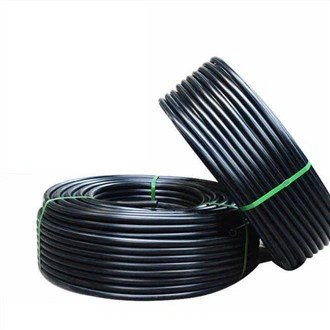
Hey there! As an industrial hose supplier, I often get asked this question: Can industrial hoses be used for transporting gases? Well, let's dig into this topic and find out.


First off, industrial hoses come in all shapes and sizes, and they're designed for a variety of applications. Some hoses are specifically made for dealing with liquids, while others are up for the challenge of transporting gases. Whether an industrial hose can be used for gas transport depends on several factors.
Compatibility with the Gas
One of the most crucial things is the compatibility between the hose material and the gas being transported. Different gases have different chemical properties, and if the hose material isn't compatible, it can lead to all sorts of problems. For example, some gases might be corrosive, and if the hose isn't made of a material that can resist that corrosion, it could start to break down over time. This not only shortens the lifespan of the hose but can also be a safety hazard.
Let's say you're dealing with a fuel - related gas. In this case, you'd want a hose that can handle the specific properties of that fuel gas. Our Fuel Hose Gasoline is designed to be compatible with gasoline vapors and similar gases. It's made from materials that can withstand the chemical nature of these fuels, ensuring a long - lasting and safe transport solution.
Pressure Requirements
Gases can be stored and transported at different pressures. Low - pressure gases might not put as much stress on the hose, but high - pressure gases are a whole different ballgame. When dealing with high - pressure gases, you need a hose that can handle the force without bursting or leaking.
Our High Pressure Fuel Hose is built to withstand high - pressure environments. It has a reinforced structure that can handle the intense forces exerted by high - pressure gases. This is crucial because a failure in a high - pressure hose can lead to dangerous situations, like gas leaks or even explosions.
Temperature Considerations
Temperature also plays a big role in gas transport using industrial hoses. Gases can expand or contract depending on the temperature, and the hose needs to be able to adapt to these changes without losing its integrity.
For example, in cold temperatures, some hose materials might become brittle and more prone to cracking. On the other hand, in high - temperature environments, the hose material could start to soften or degrade. That's why it's important to choose a hose that has a wide temperature range of operation. Our 4'' Black Nitrile Hose is a great option as it can handle a variety of temperature conditions, making it suitable for different gas transport scenarios.
Safety Standards
When it comes to transporting gases, safety is of the utmost importance. Industrial hoses used for gas transport need to meet certain safety standards. These standards ensure that the hose is reliable and won't pose a risk to the operators or the environment.
Manufacturers need to test their hoses thoroughly to make sure they comply with these standards. This includes testing for things like pressure resistance, chemical compatibility, and leakage. As a supplier, we make sure that all our hoses meet or exceed the relevant safety standards, so you can have peace of mind when using them for gas transport.
Types of Gas - Transport Industrial Hoses
There are different types of industrial hoses that are commonly used for gas transport.
- Rubber Hoses: Rubber is a popular choice for gas - transport hoses because it's flexible and can be made to be resistant to a variety of chemicals and temperatures. It can also handle different pressures, depending on its construction.
- Thermoplastic Hoses: These hoses are lightweight and often more resistant to abrasion than rubber hoses. They're also easy to install and maintain, making them a good option for many gas - transport applications.
- Metal Hoses: Metal hoses are extremely durable and can handle very high pressures and temperatures. They're often used in industrial settings where the conditions are harsh.
Applications of Gas - Transport Industrial Hoses
Industrial hoses for gas transport are used in a wide range of applications. In the automotive industry, they're used to transport fuel gases to the engine. In manufacturing plants, they're used to move gases like oxygen, nitrogen, and carbon dioxide for various production processes. In the oil and gas industry, hoses are used to transport natural gas and other hydrocarbons.
Maintenance of Gas - Transport Industrial Hoses
Proper maintenance is key to ensuring the longevity and safety of industrial hoses used for gas transport. Regular inspections should be carried out to check for signs of wear and tear, such as cracks, leaks, or bulges. The hoses should also be cleaned regularly to prevent the buildup of contaminants that could affect their performance.
If any damage is detected, the hose should be repaired or replaced immediately. Don't try to ignore small issues, as they can quickly turn into major problems.
Conclusion
So, can industrial hoses be used for transporting gases? The answer is yes, but it depends on a few important factors. You need to consider the compatibility of the hose material with the gas, the pressure and temperature requirements, and the safety standards. As an industrial hose supplier, we offer a wide range of hoses that are suitable for gas transport, like our 4'' Black Nitrile Hose, Fuel Hose Gasoline, and High Pressure Fuel Hose.
If you're in the market for industrial hoses for gas transport, or you have any questions about our products, don't hesitate to reach out. We're here to help you find the right solution for your needs. Let's have a chat and see how we can assist you in your gas - transport requirements.
References
- "Industrial Hoses: Types, Applications, and Selection Criteria." Industrial Equipment Magazine.
- "Safety Standards for Gas - Transport Hoses." National Safety Council Publications.
- "Hose Maintenance Best Practices." Manufacturing Technology Journal.