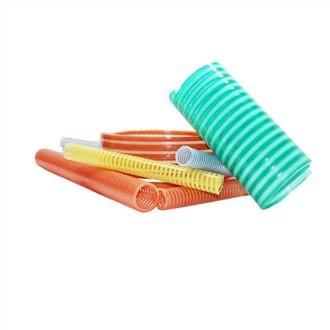
Coiling a PVC garden hose properly is not only a matter of neatness but also a key factor in extending its lifespan and ensuring its optimal performance. As a supplier of high - quality PVC garden hoses, I've witnessed firsthand the impact that correct coiling methods can have on these essential gardening tools. In this blog, I'll share the best ways to coil a PVC garden hose, drawing on industry knowledge and practical experience.
Why Proper Coiling Matters
Before delving into the coiling techniques, it's important to understand why proper coiling is crucial. A PVC garden hose is a flexible yet somewhat delicate item. When coiled incorrectly, it can develop kinks, which restrict the flow of water and put unnecessary stress on the hose material. Over time, these kinks can weaken the hose, leading to leaks and a shorter overall lifespan. Additionally, a well - coiled hose takes up less storage space, keeping your gardening area organized and tidy.
Preparing the Hose for Coiling
The coiling process starts long before you actually start winding the hose. First, it's essential to ensure that the hose is clean. Leaving dirt, debris, or chemicals on the hose can cause abrasion and corrosion over time. After each use, simply rinse the hose thoroughly with clean water to remove any such contaminants.
Secondly, the hose should be completely dry. Any water left inside the hose can freeze in cold weather, causing the PVC to crack. To dry the hose, turn off the water supply at the source and let the remaining water drain out completely. You can also hold one end of the hose higher than the other to encourage faster drainage.
The Traditional Figure - 8 Coil Method
The figure - 8 coiling method is one of the oldest and most widely used techniques for coiling garden hoses. It's a straightforward method that is suitable for most types of PVC garden hoses.
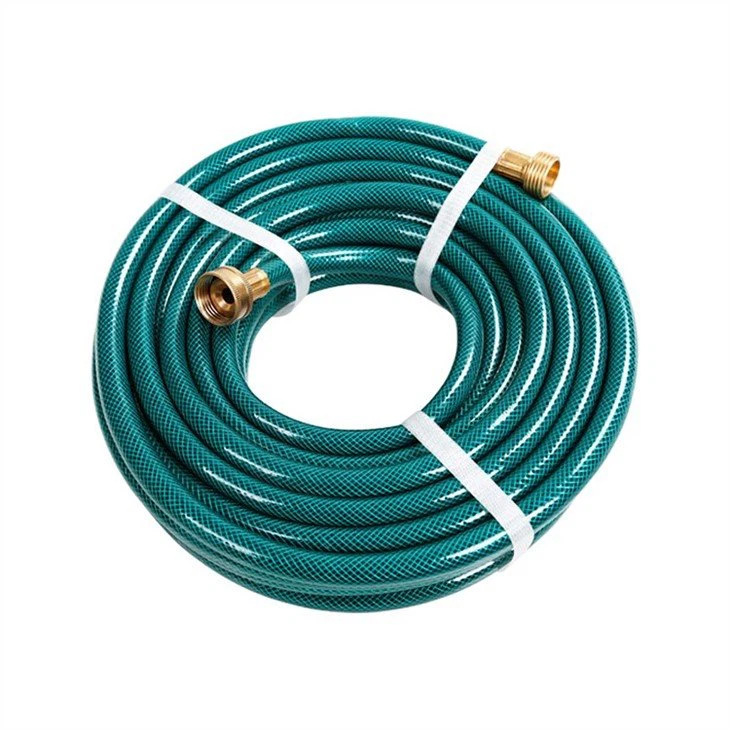

To start, hold one end of the hose in your left hand. Let a short length of the hose drape down. Then, take the free end of the hose and create a loop by crossing it over the hanging section to form the top part of an 8. Pass the free end of the hose through the center of this loop. As you continue coiling, keep the loops relatively even in size and the coils tight. This technique helps prevent kinks from forming because the criss - crossing pattern distributes the stress evenly across the hose.
The figure - 8 coil is great for storage because it forms a compact shape. You can easily hang it on a hook or place it in a storage container. This method is especially useful for shorter hoses, as it allows for quick and easy coiling.
The Circular Coil Method
The circular coiling method is another popular option, particularly for longer hoses. This method is more straightforward in that you simply create a series of concentric circles with the hose.
Begin by holding the end of the hose in your hand. Start making loops by bringing the hose around in a circular motion. Try to keep the loops as even as possible in terms of size. As the coil grows, you can use your other hand to support the growing coil. When you reach the end of the hose, tuck the end under one of the loops to secure it.
One advantage of the circular coiling method is that it's very easy to perform, even for those with limited dexterity. It also creates a stable, round coil that can be easily rolled around when needed. However, it's important to be careful not to twist the hose as you coil it, as this can lead to kinks.
Using a Hose Reel
For those who want an even more convenient and organized way to coil their PVC garden hose, a hose reel is an excellent investment. Hose reels come in various types, including manual and automatic models.
Manual hose reels require you to turn a crank to wind the hose onto the reel. These are generally more affordable and are suitable for most standard - sized PVC garden hoses. To use a manual hose reel, simply attach the hose to the reel's inlet. Then, start turning the crank slowly, guiding the hose evenly onto the reel as you go.
Automatic hose reels, on the other hand, use a spring - loaded mechanism to retract the hose automatically. These are more convenient, especially for those who use the hose frequently. To use an automatic hose reel, pull out the desired length of the hose. When you're done, release the hose, and it will retract back onto the reel.
Using a hose reel not only makes coiling easier but also protects the hose from damage during storage. The reel keeps the hose neatly organized and off the ground, reducing the risk of abrasion and tangling.
Coiling Tips for Different Hose Types
When coiling PVC garden hoses, it's important to consider the specific type of hose you have.
For Pvc Pipe To Garden Hose, which often has a sturdier construction, you may need to use a bit more force to create the coils. However, be careful not to over - bend the hose, as this can cause damage to the joints. Make sure to follow the coiling methods mentioned above, but pay extra attention to the connection points between the PVC pipe and the hose.
PVC Braided Garden Pipe is more flexible due to its braided design. This makes it easier to coil, but it also means that it can be more prone to tangling. When coiling a braided PVC garden pipe, take your time to ensure that each loop is smooth and free of twists. You may find it helpful to use the figure - 8 coiling method to prevent tangles.
Green PVC Tree Outside Hose is often used in outdoor settings around trees. These hoses may be exposed to various elements, so it's important to coil them properly to prevent damage. After use, make sure to clean and dry the hose thoroughly before coiling. You can use either the circular or figure - 8 coiling method, depending on your preference.
Troubleshooting Common Coiling Problems
Even with the best intentions, you may encounter some problems when coiling your PVC garden hose.
One common issue is kinking. If you notice a kink forming while coiling, stop immediately. Gently straighten out the kink by pulling the hose in the opposite direction of the kink. You can also try running warm water over the kinked area to make the PVC more flexible.
Another problem is tangling. To prevent tangles, make sure to keep the hose straight as you start coiling. If you do end up with a tangled hose, be patient. Start by identifying the end of the hose and slowly work your way through the tangles, carefully separating the loops.
Conclusion and Call to Action
Properly coiling your PVC garden hose is an essential part of maintenance that can significantly extend its lifespan and ensure its optimal performance. Whether you choose the traditional figure - 8 method, the circular coiling method, or opt for the convenience of a hose reel, taking the time to coil your hose correctly will pay off in the long run.
As a leading PVC garden hose supplier, we are committed to providing you with high - quality hoses that meet your gardening needs. If you're interested in purchasing our PVC garden hoses or have any questions about coiling or hose maintenance, we encourage you to reach out to us for a procurement discussion. Our team of experts is ready to assist you in finding the perfect hose for your requirements.
References
- "Gardening Tools Maintenance Guide", Gardening World Magazine, 2022
- "The Science of PVC Hose Durability", Plastic Materials Journal, 2021
- "Best Practices for Coiling and Storing Garden Hoses", Home Gardening Handbook, 2020