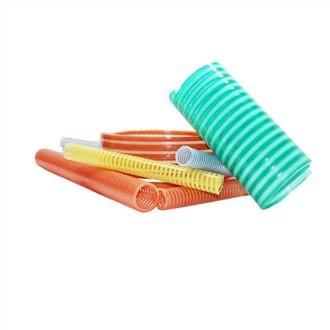
As an LPG hose supplier, I often encounter customers who wonder if an LPG hose can be used for other gases. This is a crucial question, as using the wrong hose for a particular gas can lead to safety hazards, inefficiencies, and even legal issues. In this blog post, I'll explore this topic in detail, drawing on my experience in the industry and the latest scientific knowledge.
Understanding LPG Hoses
LPG, or liquefied petroleum gas, is a popular fuel source used in various applications, from residential cooking to industrial processes. LPG hoses are specifically designed to handle the unique properties of LPG, which include high pressure, flammability, and the potential to dissolve certain materials.


Typically, LPG hoses are made from materials that are resistant to the corrosive effects of LPG and can withstand the pressure and temperature variations associated with its use. Rubber LPG Hose is a common choice due to its flexibility, durability, and resistance to LPG. These hoses are often reinforced with layers of synthetic fibers or steel wire to enhance their strength and prevent leakage.
Compatibility with Other Gases
The question of whether an LPG hose can be used for other gases depends on several factors, including the chemical properties of the gas, the pressure and temperature requirements, and the specific design of the hose.
Natural Gas
Natural gas is another widely used fuel, primarily composed of methane. In some cases, LPG hoses can be used for natural gas, but it's important to note that natural gas has different properties compared to LPG. Natural gas is lighter than air and has a lower energy density. While some LPG hoses may be compatible with natural gas, it's crucial to ensure that the hose is rated for natural gas use. Using an LPG hose not designed for natural gas can lead to issues such as leakage, reduced efficiency, and potential safety risks.
Propane and Butane
Propane and butane are components of LPG, so in theory, an LPG hose should be suitable for these gases. However, the purity and composition of propane and butane can vary, and some additives or contaminants may affect the performance of the hose. It's always best to check with the hose manufacturer to ensure compatibility with the specific propane or butane product you're using.
Other Gases
When it comes to other gases such as oxygen, nitrogen, acetylene, or hydrogen, using an LPG hose is generally not recommended. These gases have different chemical properties and safety requirements compared to LPG. For example, oxygen is a highly reactive gas that can cause combustion if it comes into contact with certain materials, including some types of rubber used in LPG hoses. Hydrogen is a small molecule that can diffuse through some materials, potentially leading to leakage and safety hazards.
Safety Considerations
Safety should always be the top priority when dealing with gases and hoses. Using an LPG hose for an incompatible gas can pose significant risks, including:
- Leakage: Incompatible gases may cause the hose material to degrade, leading to cracks or holes and ultimately resulting in gas leakage. Gas leaks can be extremely dangerous, as they can lead to fires, explosions, or asphyxiation.
- Corrosion: Some gases may react with the hose material, causing corrosion and weakening the structure of the hose. This can reduce the hose's lifespan and increase the risk of failure.
- Inadequate Pressure Rating: Different gases require different pressure ratings for safe use. Using an LPG hose with a lower pressure rating than required for a particular gas can lead to hose rupture and potential safety incidents.
Regulatory Requirements
In addition to safety considerations, there are often regulatory requirements governing the use of hoses for different gases. These regulations are in place to protect public safety and ensure compliance with industry standards. Using an LPG hose for an unauthorized gas may violate these regulations, resulting in legal consequences.
Before using an LPG hose for any gas other than LPG, it's essential to consult the relevant local, national, and international regulations. These regulations may specify the types of hoses that are approved for different gases, as well as the installation, maintenance, and inspection requirements.
Choosing the Right Hose for the Job
To ensure the safe and efficient use of gases, it's crucial to choose the right hose for the specific gas and application. Here are some tips to help you make the right choice:
- Check the Hose Rating: Look for hoses that are specifically rated for the gas you're using. The hose manufacturer should provide clear information about the gas compatibility and pressure rating of the hose.
- Consider the Application: Different applications may require different types of hoses. For example, a hose used in a high-pressure industrial process may need to be more robust than a hose used for a residential barbecue.
- Consult with Experts: If you're unsure which hose is suitable for your needs, don't hesitate to consult with professionals, such as hose manufacturers, gas suppliers, or safety experts. They can provide valuable advice and guidance based on their experience and knowledge.
Our Product Offerings
As an LPG hose supplier, we offer a wide range of high-quality hoses designed specifically for LPG use. Our Rubber Flexible Gas Pipe provides excellent flexibility and durability, making it suitable for various LPG applications. We also offer Gas Pipe And Hose solutions that meet the highest industry standards for safety and performance.
If you're in the market for LPG hoses or have questions about gas hose compatibility, we'd be happy to assist you. Our team of experts can help you choose the right product for your specific needs and provide you with all the information you need to ensure safe and efficient operation.
Conclusion
In conclusion, while an LPG hose may be suitable for some gases, such as natural gas in certain cases, it's generally not recommended to use it for other gases without careful consideration. The chemical properties, pressure requirements, and safety regulations associated with different gases vary significantly, and using the wrong hose can lead to serious safety hazards.
When it comes to choosing a hose for a particular gas, it's essential to do your research, consult with experts, and ensure that the hose is specifically rated for the gas and application. As an LPG hose supplier, we're committed to providing our customers with high-quality products and professional advice to help them make the right choices for their gas handling needs.
If you're interested in learning more about our LPG hoses or have specific requirements for your gas applications, please don't hesitate to get in touch. We're here to assist you with all your LPG hose needs and look forward to the opportunity to discuss your requirements and provide you with a suitable solution.
References
- "Handbook of Chemical Hazard Analysis Procedures," National Institute for Occupational Safety and Health (NIOSH)
- "Gas Safety Regulations," Various local and national regulatory bodies
- Manufacturer specifications and technical data sheets for LPG hoses