


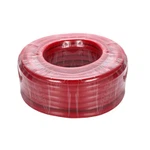


Gas Pipe And Hose
I.D: 3/16"~1/2"
W.P: 300 psi
Working temperature: -10℃~90℃
Reinforcement: 1 layer fiber braid reinforcement
**Gas Pipe and Hose: Safeguarding Gas Supply and Transport**
Gas pipes and hoses are essential components of gas delivery systems used in a wide range of applications, from residential heating and cooking to industrial processes and vehicle fuel systems. They are designed to transport various gases, such as natural gas, propane, oxygen, and more, from the source to the point of use while ensuring safety, efficiency, and reliability. In this overview, we will introduce the key features, common uses, materials, and safety considerations associated with gas pipes and hoses.
**Gas Pipes:**
**Key Features:**
1. **Rigid Structure:** Gas pipes are typically rigid and constructed from materials such as steel, copper, or plastic. The choice of material depends on factors like gas type, pressure, and application.
2. **Diameter and Length:** Gas pipes come in various diameters and lengths to accommodate different flow rates and distances.
3. **Pressure Ratings:** Gas pipes are rated for specific pressure levels to ensure the safe transport of gases.
**Common Uses:**
1. **Residential Gas Lines:** Gas pipes are commonly used in homes to supply natural gas or propane to gas stoves, ovens, water heaters, furnaces, and other appliances.
2. **Commercial and Industrial Settings:** In commercial and industrial environments, gas pipes are employed for heating, manufacturing processes, power generation, and more.
3. **Utility Gas Lines:** Gas pipes also form the backbone of utility gas distribution systems that deliver natural gas to residential and commercial areas.
**Materials Used:**
1. **Steel:** Steel gas pipes are robust and durable, suitable for high-pressure and industrial applications.
2. **Copper:** Copper gas pipes are corrosion-resistant and often used for residential gas lines.
3. **Plastic:** Plastic gas pipes are lightweight and cost-effective, ideal for residential and low-pressure applications.
**Safety Considerations for Gas Pipes:**
1. **Professional Installation:** Gas pipes should be installed by licensed professionals who adhere to local safety regulations.
2. **Pressure Regulation:** Pressure regulators are essential to ensure gas pressure remains within safe limits.
3. **Leak Detection:** Employ gas leak detection methods, such as using a gas detector or soapy water, to check for any gas leaks along the pipe.
4. **Regular Inspection:** Periodic inspection and maintenance of gas pipes are necessary to detect signs of corrosion, damage, or deterioration.
**Gas Hoses:**
**Key Features:**
1. **Flexible Design:** Gas hoses are highly flexible, allowing for easy installation and maneuverability.
2. **Materials:** Gas hoses are constructed from materials compatible with the specific gas being transported, such as rubber, stainless steel, or PVC.
3. **End Fittings:** Gas hoses come equipped with specialized end fittings or connectors designed for secure attachment to gas sources, regulators, and appliances.
**Common Uses:**
1. **Residential Gas Appliances:** Gas hoses connect gas cylinders or storage tanks to gas stoves, ovens, water heaters, and room heaters in homes.
2. **Industrial and Commercial Applications:** Gas hoses transport gases for welding, cutting, heating, industrial processes, and medical equipment in various settings.
3. **Automotive Industry:** Gas hoses facilitate the delivery of LPG or CNG (compressed natural gas) to vehicles equipped with gas-powered engines.
**Materials Used:**
1. **Rubber:** Rubber gas hoses are versatile, durable, and resistant to wear and tear, suitable for propane and natural gas applications.
2. **Stainless Steel:** Stainless steel gas hoses are known for their strength, corrosion resistance, and suitability for high-pressure and industrial applications.
3. **PVC (Polyvinyl Chloride):** PVC gas hoses are lightweight and resistant to chemicals, ideal for portable gas appliances and low-pressure applications.
**Safety Considerations for Gas Hoses:**
1. **Regular Inspection:** Periodically inspect gas hoses for signs of wear, damage, or deterioration.
2. **Proper Installation:** Gas hoses should be correctly installed, following manufacturer guidelines and safety regulations, to prevent leaks or accidents.
3. **Pressure Ratings:** Confirm that the gas hose used can handle the specific pressure requirements of the gas system it is connected to.
4. **Leak Detection:** Employ leak detection methods, such as using a gas detector or soapy water, to check for any gas leaks along the hose.
5. **Ventilation:** Adequate ventilation is crucial in areas where gas appliances are used to prevent the accumulation of potentially hazardous gas levels.
In conclusion, gas pipes and hoses are integral components of gas delivery systems, ensuring the safe, efficient, and reliable transport of gases for various applications. Whether in residential, industrial, or commercial settings, these components play a vital role in delivering the energy and resources we depend on daily. Adhering to safety guidelines, conducting regular inspections, and choosing the right materials and components are essential practices for maintaining the safety and functionality of gas pipes and hoses.


Hot Tags: gas pipe and hose, China, suppliers, manufacturers, factory, low price, Water Hose, Propane Gas Hose and Fittings Pipe
Previous
Gas Connector HoseNext
Lpg Hose PipeYou Might Also Like


Send Inquiry