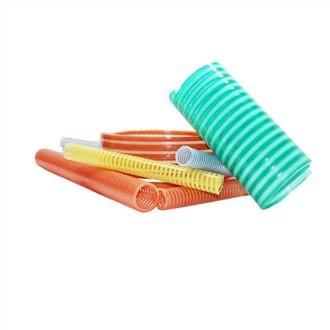
A hydraulic hose is a critical component in various industrial and mobile applications, designed to transfer hydraulic fluid to transmit power within a hydraulic system. As a leading hydraulic hose supplier, I've witnessed firsthand the diverse functions and importance of these hoses in countless operations. In this blog, I'll delve into the functions of hydraulic hoses, their types, and the significance of choosing the right one for your specific needs.
Power Transmission
The primary function of a hydraulic hose is to transmit power in a hydraulic system. Hydraulic systems operate on the principle of Pascal's law, which states that pressure applied to a confined fluid is transmitted equally in all directions. In a hydraulic system, a hydraulic pump generates pressure by forcing hydraulic fluid into the system. The hydraulic hose then carries this high - pressure fluid from the pump to various hydraulic components such as cylinders, motors, and valves.
For example, in a construction excavator, the hydraulic pump pressurizes the fluid, and the hydraulic hoses transfer this pressurized fluid to the hydraulic cylinders. These cylinders then convert the fluid's pressure into mechanical force, enabling the boom, arm, and bucket of the excavator to move with great precision and power. This power transmission function is what makes hydraulic systems so efficient and versatile in heavy - duty applications.
Flexibility and Mobility
One of the key advantages of hydraulic hoses over rigid pipes is their flexibility. Hydraulic hoses can be bent, twisted, and routed around obstacles, allowing for a more compact and efficient design of hydraulic systems. This flexibility is especially crucial in mobile equipment such as agricultural machinery, forklifts, and mobile cranes, where components need to move relative to each other.
In a tractor, for instance, the hydraulic hoses need to accommodate the movement of the tractor's various parts during operation. The hoses can bend and flex as the tractor turns, raises and lowers implements, and moves over uneven terrain. This flexibility ensures that the hydraulic system can function properly without being restricted by the movement of the equipment.
Vibration and Shock Absorption
Hydraulic systems often generate vibrations and shocks during operation. These can be caused by the sudden start and stop of hydraulic cylinders, the operation of pumps, or the movement of heavy loads. Hydraulic hoses play a vital role in absorbing these vibrations and shocks, protecting the hydraulic components from damage.
The construction of hydraulic hoses, which typically includes multiple layers of reinforcement and an inner tube, allows them to dampen the vibrations and shocks. The inner tube is usually made of a synthetic rubber or thermoplastic material that can withstand the pressure of the hydraulic fluid, while the reinforcement layers provide strength and flexibility. This combination of materials helps to absorb the energy from vibrations and shocks, reducing the stress on the hydraulic system.
Sealing and Containment
Another important function of hydraulic hoses is to seal and contain the hydraulic fluid within the system. A leak in a hydraulic system can lead to a loss of pressure, reduced efficiency, and potential damage to the environment. Hydraulic hoses are designed with tight - fitting connections and high - quality seals to prevent fluid leakage.
The ends of the hydraulic hoses are usually fitted with connectors that are specifically designed to mate with the corresponding ports on the hydraulic components. These connectors are often secured with clamps or fittings to ensure a tight and leak - free connection. Additionally, the inner tube of the hydraulic hose is resistant to the chemical properties of the hydraulic fluid, preventing the fluid from seeping through the hose walls.
Types of Hydraulic Hoses
There are several types of hydraulic hoses available, each designed for specific applications and operating conditions. Some of the common types include:
- Low - Pressure Hoses: These hoses are designed for applications where the pressure is relatively low, typically up to 3000 psi. They are often used in light - duty hydraulic systems such as those found in small agricultural equipment or automotive power steering systems.
- Medium - Pressure Hoses: Medium - pressure hoses can handle pressures ranging from 3000 to 6000 psi. They are commonly used in industrial machinery, construction equipment, and some mobile hydraulic systems.
- High - Pressure Hoses: High - pressure hoses are designed to withstand pressures above 6000 psi. These hoses are used in heavy - duty applications such as mining equipment, large construction machinery, and aerospace hydraulic systems.
In addition to pressure ratings, hydraulic hoses can also be classified based on their reinforcement type. Common reinforcement types include braided, spiral, and wire - wound. Braided hoses are flexible and suitable for applications where space is limited, while spiral and wire - wound hoses offer higher strength and are better suited for high - pressure applications.
Choosing the Right Hydraulic Hose
Selecting the right hydraulic hose for your application is crucial to ensure the proper functioning and longevity of your hydraulic system. When choosing a hydraulic hose, you need to consider several factors, including:
- Pressure Rating: The pressure rating of the hose must be higher than the maximum pressure that the hydraulic system will generate. Using a hose with a lower pressure rating can lead to hose failure and potential safety hazards.
- Temperature Range: The operating temperature of the hydraulic fluid and the environment where the hose will be used must be considered. Different types of hoses have different temperature ranges, and using a hose outside of its recommended temperature range can cause the hose to deteriorate prematurely.
- Fluid Compatibility: The inner tube of the hydraulic hose must be compatible with the type of hydraulic fluid used in the system. Using a hose that is not compatible with the fluid can lead to chemical reactions, swelling of the hose, and reduced performance.
- Size and Length: The size and length of the hose are also important factors. The hose diameter must be chosen based on the flow rate requirements of the hydraulic system, while the length should be sufficient to allow for proper routing and movement of the components.
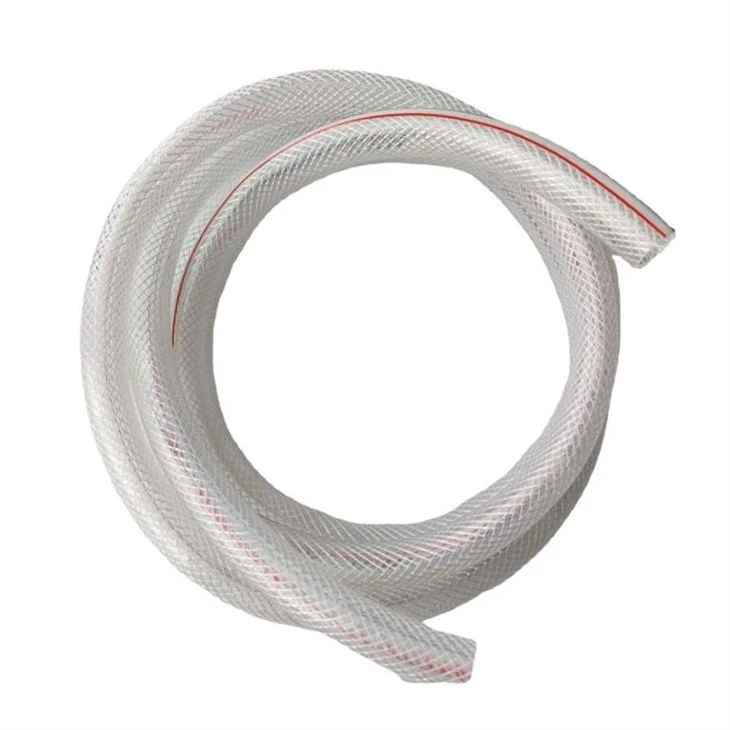
As a hydraulic hose supplier, we offer a wide range of high - quality hydraulic hoses to meet your specific needs. Our products include Peristaltic Pump Silicone Hose, Custom Hydraulic Hoses, and Transparent Reinforced PVC Hose 16 mm 7 Bar. We can also provide expert advice on choosing the right hose for your application and ensure that you get the best value for your investment.

Conclusion
In conclusion, hydraulic hoses play a vital role in hydraulic systems, enabling power transmission, providing flexibility and mobility, absorbing vibrations and shocks, and sealing and containing the hydraulic fluid. Understanding the functions of hydraulic hoses and choosing the right one for your application is essential for the efficient and reliable operation of your hydraulic system.
If you're in the market for high - quality hydraulic hoses, we invite you to contact us for more information. Our team of experts is ready to assist you in selecting the right hoses for your specific needs and to provide you with the best solutions for your hydraulic system. Whether you need a standard hose or a custom - designed solution, we have the expertise and products to meet your requirements.
References
- "Hydraulic Systems and Components" by John F. Dwyer
- "Fluid Power with Applications" by Anthony Esposito