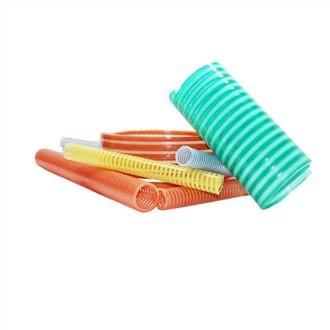
Industrial hoses play a crucial role in various industries, serving as a conduit for the transfer of fluids, gases, and other materials. One question that often arises is whether industrial hoses can be used in power plants. As an industrial hose supplier, I have extensive experience in providing hoses for different applications, including power plants. In this blog post, I will explore the viability of using industrial hoses in power plants, considering their types, applications, advantages, and challenges.
Types of Industrial Hoses Suitable for Power Plants
High Pressure Fuel Hose
Power plants often rely on fuel to generate electricity, and the efficient and safe transfer of fuel is essential. High Pressure Fuel Hoses are designed to handle the high pressures associated with fuel delivery systems. These hoses are constructed with materials that can withstand the corrosive nature of fuels and the high pressures involved. They are commonly used in power plants for transferring diesel, gasoline, and other fuels from storage tanks to generators or boilers. You can find more information about High Pressure Fuel Hose.

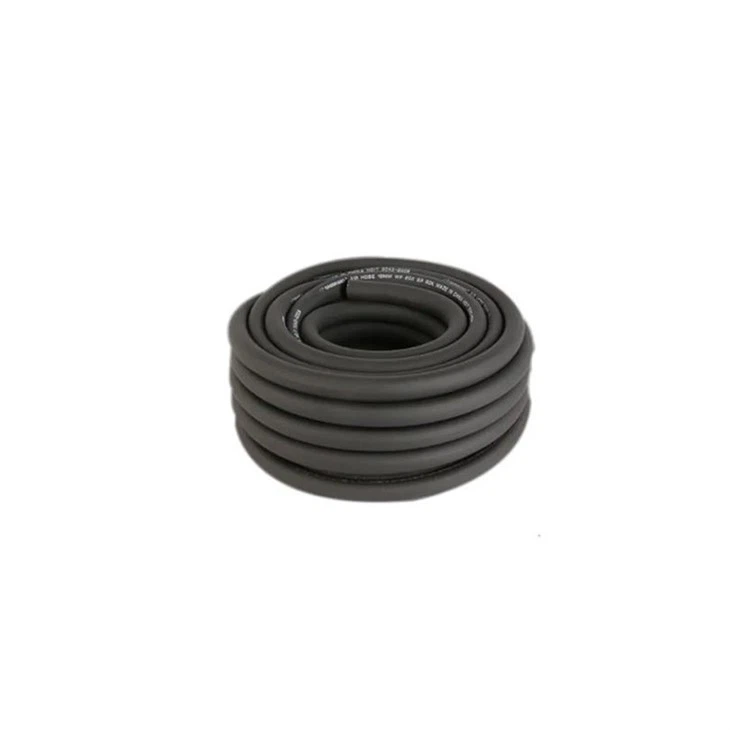
Fuel Hose Gasoline
Gasoline is another fuel commonly used in power plants, especially in smaller generators. Fuel Hose Gasoline is specifically designed for the transfer of gasoline. These hoses are made from materials that are resistant to the chemicals in gasoline and can prevent leaks and spills. They are flexible and easy to install, making them suitable for various power plant applications. To learn more about Fuel Hose Gasoline.
4'' Black Nitrile Hose
Nitrile hoses are known for their excellent resistance to oil, fuel, and chemicals. The 4'' Black Nitrile Hose is a popular choice in power plants for applications such as coolant transfer, lubricant delivery, and hydraulic fluid transfer. Its large diameter allows for high flow rates, making it suitable for large-scale power plant operations. You can explore more details about 4'' Black Nitrile Hose.
Applications of Industrial Hoses in Power Plants
Fuel Transfer
As mentioned earlier, industrial hoses are used for transferring various fuels in power plants. Whether it is from storage tanks to generators or from one part of the plant to another, hoses ensure a continuous and safe supply of fuel. This is critical for the uninterrupted operation of power generation equipment.
Coolant Circulation
Power plants generate a significant amount of heat during the electricity generation process. Coolants are used to absorb and dissipate this heat, preventing equipment overheating. Industrial hoses are used to circulate coolants between different components of the power plant, such as condensers, radiators, and heat exchangers.
Lubricant Delivery
Moving parts in power plant equipment, such as turbines and generators, require lubrication to reduce friction and wear. Industrial hoses are used to deliver lubricants to these components, ensuring smooth operation and extending the lifespan of the equipment.
Hydraulic Systems
Many power plant operations rely on hydraulic systems for various functions, such as valve control and equipment movement. Industrial hoses are an integral part of these hydraulic systems, transmitting hydraulic fluid under high pressure to actuate different components.
Advantages of Using Industrial Hoses in Power Plants
Flexibility
Industrial hoses are highly flexible, allowing for easy installation in complex power plant layouts. They can be bent and routed around obstacles, making them suitable for tight spaces and irregularly shaped areas. This flexibility also enables quick and easy replacement of hoses when necessary.
Chemical Resistance
Power plants deal with a wide range of chemicals, including fuels, coolants, lubricants, and hydraulic fluids. Industrial hoses are made from materials that are resistant to these chemicals, preventing corrosion and degradation. This ensures the long-term reliability and safety of the hoses.
High Pressure Resistance
Power plant operations often involve high-pressure systems, such as fuel delivery and hydraulic systems. Industrial hoses are designed to withstand these high pressures, ensuring the safe transfer of fluids without leaks or bursts.
Cost-Effectiveness
Compared to rigid piping systems, industrial hoses are generally more cost-effective. They are easier and cheaper to install, and their flexibility reduces the need for complex fittings and supports. Additionally, hoses can be easily replaced when damaged, minimizing downtime and repair costs.
Challenges of Using Industrial Hoses in Power Plants
Temperature and Pressure Fluctuations
Power plants operate under varying temperature and pressure conditions. Industrial hoses need to be able to withstand these fluctuations without losing their integrity. Extreme temperatures can cause the hose materials to expand or contract, leading to leaks or failures. Therefore, it is crucial to select hoses that are rated for the specific temperature and pressure ranges of the power plant.
Chemical Compatibility
As mentioned earlier, power plants use a variety of chemicals. Ensuring the chemical compatibility between the hoses and the fluids they carry is essential. Using the wrong type of hose can result in chemical reactions, degradation of the hose material, and potential safety hazards.
Maintenance and Inspection
Industrial hoses in power plants require regular maintenance and inspection to ensure their proper functioning. This includes checking for signs of wear, damage, and leaks, as well as monitoring the condition of the hose fittings. Neglecting maintenance can lead to unexpected failures and costly downtime.
Conclusion
In conclusion, industrial hoses can indeed be used in power plants, and they offer numerous advantages in terms of flexibility, chemical resistance, high-pressure resistance, and cost-effectiveness. However, it is important to carefully select the right type of hose for each application, considering factors such as temperature, pressure, chemical compatibility, and maintenance requirements. As an industrial hose supplier, I am committed to providing high-quality hoses that meet the specific needs of power plants. If you are in the power plant industry and are looking for reliable industrial hoses, I encourage you to contact me for a detailed discussion about your requirements. We can work together to find the best solutions for your power plant operations.
References
- Smith, J. (2020). Industrial Hoses in Power Generation. Power Plant Technology Journal, 15(2), 34-42.
- Johnson, A. (2019). The Role of Industrial Hoses in Power Plant Cooling Systems. Cooling Technology Review, 22(3), 56-63.
- Brown, C. (2018). Chemical Compatibility of Industrial Hoses in Power Plant Applications. Chemical Engineering Magazine, 30(4), 78-85.