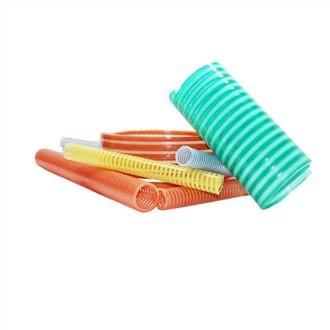
Industrial hoses are essential components in a wide range of industries, providing a reliable means of transporting various fluids and gases. As an industrial hose supplier, I've witnessed firsthand the diverse applications of these hoses across different sectors. In this blog post, I'll explore some of the common applications of industrial hoses and highlight the importance of choosing the right hose for each specific use.
Chemical Industry
In the chemical industry, industrial hoses are used to transfer a variety of chemicals, including acids, alkalis, solvents, and petroleum products. These hoses must be resistant to the corrosive nature of the chemicals they carry to ensure safe and efficient operation. For example, Teflon hoses are often used for their excellent chemical resistance and high-temperature tolerance. They can handle a wide range of aggressive chemicals, making them suitable for applications such as chemical processing, pharmaceutical manufacturing, and food and beverage production.
Another common type of hose used in the chemical industry is the rubber hose. Rubber hoses are flexible and can withstand high pressures, making them ideal for transferring chemicals between storage tanks, reactors, and other processing equipment. However, it's crucial to select the right type of rubber compound based on the specific chemical being transferred. For instance, nitrile rubber is resistant to oil and gasoline, while EPDM rubber is suitable for use with water, steam, and certain chemicals.
Oil and Gas Industry
The oil and gas industry relies heavily on industrial hoses for the transfer of crude oil, natural gas, and refined products. These hoses are designed to withstand high pressures, extreme temperatures, and harsh environmental conditions. For example, High Pressure Fuel Hose are used to transfer fuel from storage tanks to engines, while suction and discharge hoses are used for loading and unloading oil and gas tankers.
In offshore oil and gas operations, hoses are used to connect subsea equipment to surface vessels. These hoses must be able to withstand the high pressures and corrosive effects of seawater. Flexible risers, for example, are used to transfer oil and gas from subsea wells to floating production platforms. They are designed to be flexible enough to accommodate the movement of the platform due to waves and currents, while also providing a reliable seal to prevent leaks.
Food and Beverage Industry
In the food and beverage industry, industrial hoses are used to transfer liquids such as milk, juice, beer, and wine. These hoses must be made from materials that are safe for contact with food and comply with strict hygiene standards. For example, silicone hoses are often used in food and beverage applications because they are non-toxic, odorless, and resistant to high temperatures. They can be easily cleaned and sterilized, making them suitable for use in sanitary processing environments.
Another common type of hose used in the food and beverage industry is the PVC hose. PVC hoses are inexpensive and lightweight, making them a popular choice for short-term applications such as filling and draining tanks. However, they may not be suitable for use with certain acidic or alkaline foods, as they can leach chemicals into the product.
Construction Industry
The construction industry uses industrial hoses for a variety of applications, including concrete pumping, water transfer, and pneumatic conveying. Concrete pumping hoses, for example, are used to transfer concrete from the mixer to the construction site. These hoses must be able to withstand the high pressures and abrasive nature of concrete. They are typically made from high-strength rubber or synthetic materials and are reinforced with steel wire or textile braids.
Water transfer hoses are used to supply water to construction sites for various purposes, such as dust suppression, concrete mixing, and equipment cleaning. These hoses are usually made from PVC or rubber and are available in different sizes and lengths. Pneumatic conveying hoses, on the other hand, are used to transfer dry materials such as sand, cement, and fly ash. They are designed to withstand the high pressures and velocities associated with pneumatic conveying systems.
Manufacturing Industry
In the manufacturing industry, industrial hoses are used for a wide range of applications, including coolant transfer, lubricant delivery, and air supply. Coolant hoses are used to transfer coolant from the radiator to the engine, helping to regulate the engine's temperature. These hoses must be able to withstand high temperatures and pressures and be resistant to chemicals and corrosion.
Lubricant delivery hoses are used to supply lubricants to machinery and equipment, reducing friction and wear. These hoses are typically made from rubber or synthetic materials and are designed to be flexible and easy to install. Air supply hoses are used to provide compressed air to pneumatic tools and equipment, such as drills, sanders, and spray guns. They are usually made from PVC or rubber and are available in different sizes and pressures.
Agriculture Industry
The agriculture industry also makes extensive use of industrial hoses. For example, irrigation hoses are used to supply water to crops, while sprayer hoses are used to apply pesticides, fertilizers, and other chemicals. These hoses must be able to withstand the rigors of outdoor use and be resistant to UV radiation and chemical damage.
Another common application of industrial hoses in agriculture is the transfer of livestock feed. Feed hoses are used to convey grain, hay, and other feed materials from storage bins to feeding equipment. These hoses are typically made from PVC or rubber and are designed to be flexible and easy to clean.
Choosing the Right Industrial Hose
Choosing the right industrial hose for a specific application is crucial to ensure safe and efficient operation. When selecting a hose, it's important to consider factors such as the type of fluid or gas being transferred, the operating pressure and temperature, the environment in which the hose will be used, and the required hose length and diameter.
It's also important to choose a hose that is made from high-quality materials and is manufactured to meet industry standards. Look for hoses that are certified by recognized organizations such as the American Society for Testing and Materials (ASTM) or the International Organization for Standardization (ISO).
Conclusion
Industrial hoses play a vital role in a wide range of industries, providing a reliable means of transporting various fluids and gases. From the chemical and oil and gas industries to the food and beverage and construction industries, these hoses are essential for the safe and efficient operation of many processes.
As an industrial hose supplier, I understand the importance of providing high-quality hoses that meet the specific needs of each customer. Whether you're looking for a Fuel Hose Gasoline for your automotive application or a 4'' Black Nitrile Hose for your chemical processing plant, I can help you find the right hose for the job.

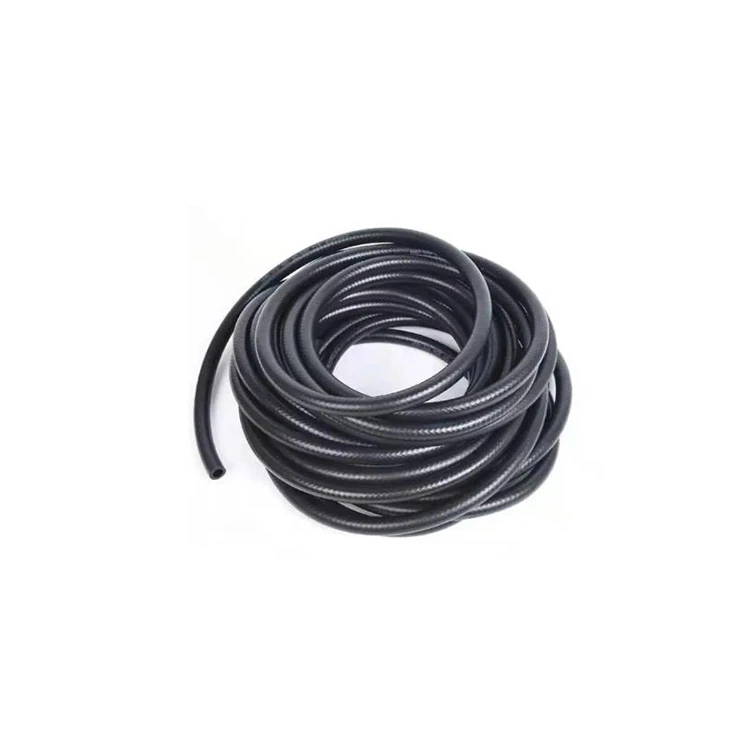
If you have any questions or need assistance in selecting the right industrial hose for your application, please don't hesitate to contact me. I'm here to help you make the best choice and ensure that your operations run smoothly.
References
- ASTM International. (n.d.). ASTM Standards. Retrieved from https://www.astm.org/
- ISO. (n.d.). ISO Standards. Retrieved from https://www.iso.org/