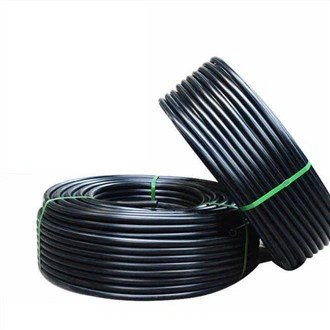
Hey there! As a supplier of HDPE pipes, I often get asked if these pipes can be used in pharmaceutical manufacturing. It's a great question, and today, I'm gonna break it down for you.
First off, let's talk a bit about HDPE pipes. HDPE stands for High - Density Polyethylene. These pipes are known for their durability, flexibility, and resistance to corrosion. They're used in a wide range of applications, from Pipe Watering Underground Water Supply Pipe systems to Drip Line Pipe 16 in agriculture. But can they cut it in the high - stakes world of pharmaceutical manufacturing?


Properties of HDPE Pipes
One of the key things in pharmaceutical manufacturing is the purity of the materials used. HDPE pipes have some properties that make them a potential candidate. They are chemically inert, which means they don't react easily with most chemicals. This is super important in a pharmaceutical setting where you're dealing with all sorts of drugs and solvents. You don't want the pipes to leach any harmful substances into the products you're making.
HDPE pipes are also resistant to bacteria and fungi growth. In a cleanroom environment like a pharmaceutical manufacturing facility, keeping contamination at bay is crucial. The smooth inner surface of HDPE pipes makes it difficult for microorganisms to attach and grow, reducing the risk of product contamination.
Another advantage is their flexibility. HDPE pipes can be bent and shaped without the need for a lot of joints. Fewer joints mean fewer potential leak points, which is essential when you're transporting valuable and sensitive pharmaceutical ingredients.
Regulatory Considerations
However, just having good properties isn't enough. The pharmaceutical industry is highly regulated, and any material used in manufacturing must meet strict standards. The FDA (Food and Drug Administration) in the United States and other regulatory bodies around the world have guidelines for the materials that can come into contact with pharmaceutical products.
HDPE pipes need to comply with these regulations. They must be tested for things like extractables and leachables. Extractables are substances that can be removed from the pipe under laboratory conditions, while leachables are those that can migrate into the product during normal use. If the HDPE pipes have high levels of extractables or leachables, they won't be suitable for pharmaceutical manufacturing.
Case Studies and Real - World Use
There have been some cases where HDPE pipes have been used in pharmaceutical manufacturing. For example, in some water purification systems within pharmaceutical plants, HDPE pipes are used to transport purified water. Purified water is a critical component in many pharmaceutical processes, and HDPE pipes can handle this task well due to their chemical resistance and low contamination risk.
But it's important to note that these applications often require special grades of HDPE pipes. These pipes are manufactured to meet the specific requirements of the pharmaceutical industry, with extra testing and quality control measures in place.
Challenges
Despite their potential, there are also some challenges to using HDPE pipes in pharmaceutical manufacturing. One of the main issues is the perception. Some pharmaceutical manufacturers are hesitant to switch from traditional materials like stainless steel. Stainless steel has a long - standing reputation in the industry, and there's a lot of data and experience with its use.
Another challenge is the need for proper installation and maintenance. If HDPE pipes are not installed correctly, they can develop stress cracks over time, which could lead to leaks and contamination. And regular maintenance is required to ensure that the pipes continue to perform well and meet the regulatory requirements.
Our Offer as an HDPE Pipe Supplier
As an HDPE pipe supplier, we understand the unique needs of the pharmaceutical industry. We offer a range of Plastic 25mm Hdpe Pipe and other sizes that can be customized to meet the specific requirements of pharmaceutical manufacturing. Our pipes are made from high - quality HDPE resin and go through rigorous testing to ensure they meet the highest standards.
We also provide support in terms of installation and maintenance. Our team of experts can help you with the proper installation of the pipes to minimize the risk of issues down the line. And we offer regular maintenance services to keep your pipes in top condition.
Conclusion
So, can HDPE pipes be used for pharmaceutical manufacturing? The answer is yes, but with some caveats. They have the potential due to their chemical resistance, low contamination risk, and flexibility. However, they need to meet strict regulatory standards, and there are some challenges to overcome.
If you're a pharmaceutical manufacturer considering using HDPE pipes, we'd love to have a chat with you. We can provide more information about our products, how they can meet your needs, and answer any questions you might have. Contact us to start a discussion about your HDPE pipe requirements for pharmaceutical manufacturing.
References
- ASTM International standards related to HDPE pipes.
- FDA guidelines for materials used in pharmaceutical manufacturing.
- Industry reports on the use of plastic pipes in the pharmaceutical industry.