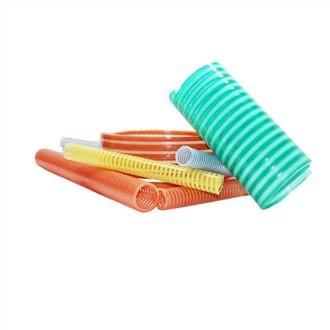
Hey there! As a PPR pipe supplier, I often get asked about how to connect PPR pipes to other types of pipes. It's a crucial topic, especially for those in the plumbing and construction fields. In this blog, I'll walk you through the different methods and considerations for making these connections.
Understanding PPR Pipes
First off, let's talk a bit about PPR pipes. PPR, or Polypropylene Random Copolymer, is a type of plastic pipe that's widely used in plumbing systems. It's known for its durability, resistance to corrosion, and ease of installation. You can check out more about Plastic Pipe Polypropylene on our website. These pipes are commonly used for both hot and cold water supply systems in residential and commercial buildings.
Why Connect PPR Pipes to Other Types of Pipes?
There are several reasons why you might need to connect PPR pipes to other types of pipes. Maybe you're working on a renovation project where the existing plumbing system uses a different type of pipe, like copper or PVC. Or perhaps you're using PPR pipes for a specific section of the system but need to connect them to a different type of pipe for compatibility or cost reasons.
Methods of Connecting PPR Pipes to Other Types of Pipes
1. Using Transition Fittings
One of the most common ways to connect PPR pipes to other types of pipes is by using transition fittings. These fittings are designed to connect two different types of pipes together. For example, if you need to connect a PPR pipe to a copper pipe, you can use a PPR-to-copper transition fitting.
These fittings come in different sizes and configurations to suit your specific needs. You can find them at most plumbing supply stores or order them from us. Just make sure to choose the right size and type of fitting for your pipes. You can learn more about Plastic Pipe Ppr and the available fittings on our website.
When using transition fittings, it's important to follow the manufacturer's instructions carefully. Usually, you'll need to clean the ends of the pipes and the fitting, apply a suitable adhesive or sealant (if required), and then connect the pipes to the fitting. Make sure to tighten the connections properly to prevent leaks.
2. Mechanical Connections
Another method of connecting PPR pipes to other types of pipes is through mechanical connections. This involves using clamps, couplings, or other mechanical devices to hold the pipes together. Mechanical connections are often used when you need to make a quick and temporary connection or when the pipes are too large or difficult to connect using other methods.
For example, if you need to connect a PPR pipe to a large-diameter steel pipe, you can use a mechanical coupling. These couplings are designed to fit over the ends of the pipes and hold them together tightly. They usually have rubber gaskets or seals to prevent leaks.
When using mechanical connections, it's important to choose the right type of coupling or clamp for your pipes. Make sure to follow the manufacturer's instructions for installation and tightening. Also, check the connections regularly to ensure they're still secure.
3. Welding (for Compatible Pipes)
In some cases, you may be able to weld PPR pipes to other types of pipes that are made of compatible materials. For example, if you need to connect a PPR pipe to another type of polypropylene pipe, you can use a welding process.
Welding PPR pipes involves using a special welding machine to heat the ends of the pipes and then joining them together. This creates a strong and permanent connection. However, welding requires special skills and equipment, so it's usually best to have it done by a professional plumber.
Before attempting to weld PPR pipes to other types of pipes, make sure the materials are compatible. Not all types of pipes can be welded together, so it's important to do your research first. You can find more information about Plastic Polypropylene Pipes and their welding compatibility on our website.
Considerations When Connecting PPR Pipes to Other Types of Pipes
1. Compatibility
As mentioned earlier, compatibility is a crucial factor when connecting PPR pipes to other types of pipes. Different types of pipes have different properties, such as expansion and contraction rates, chemical resistance, and pressure ratings. Make sure the pipes you're connecting are compatible in terms of these properties to prevent leaks, damage, or other problems.
For example, if you're connecting a PPR pipe to a PVC pipe, you need to make sure the transition fitting or connection method is suitable for both materials. PVC pipes are more brittle than PPR pipes, so you need to be careful not to apply too much pressure or stress to the connection.
2. Pressure and Flow
Another important consideration is the pressure and flow requirements of the plumbing system. Make sure the connection between the PPR pipe and the other type of pipe can handle the expected pressure and flow rates. If the connection is too weak or restrictive, it can cause problems such as low water pressure, leaks, or even pipe bursts.
When designing the plumbing system, calculate the pressure and flow requirements based on the intended use of the system. Choose the appropriate size and type of pipes and fittings to ensure the system can operate efficiently and safely.
3. Environmental Conditions
The environmental conditions where the pipes are installed can also affect the connection between PPR pipes and other types of pipes. For example, if the pipes are exposed to extreme temperatures, chemicals, or sunlight, it can cause the materials to degrade or expand and contract at different rates.
Make sure to choose pipes and fittings that are suitable for the environmental conditions. For example, if the pipes are going to be installed outdoors, you may need to choose pipes that are UV-resistant. Also, consider using insulation or protective coatings to prevent damage from the environment.


Conclusion
Connecting PPR pipes to other types of pipes can be a bit challenging, but with the right methods and considerations, it can be done successfully. Whether you're using transition fittings, mechanical connections, or welding, make sure to choose the right approach for your specific situation.
If you have any questions or need help with connecting PPR pipes to other types of pipes, don't hesitate to contact us. We're a leading PPR pipe supplier, and we have the expertise and products to help you with your plumbing projects. Whether you're a professional plumber or a DIY enthusiast, we can provide you with the right pipes, fittings, and advice to get the job done right.
So, if you're in the market for PPR pipes or need help with your plumbing connections, feel free to reach out. We're here to assist you every step of the way.
References
- Plumbing Handbook, various editions
- Manufacturer's instructions for PPR pipes and fittings
- Industry standards and guidelines for plumbing installations