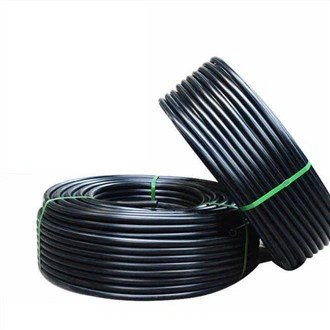
Hey there! As an LPG hose supplier, I often get asked about the special requirements for transporting LPG hoses. It's a crucial topic, especially considering the safety and efficiency involved in moving these hoses from one place to another. In this blog, I'll share some insights based on my experience in the industry.
First off, let's understand what LPG hoses are. LPG, or liquefied petroleum gas, is a flammable mixture of hydrocarbon gases commonly used as fuel. LPG hoses are designed to transfer this gas safely from one point to another. You can check out our Lpg/propane Gas Hose products for more details.
Packaging Requirements
When it comes to transporting LPG hoses, proper packaging is key. The hoses need to be protected from physical damage, such as cuts, abrasions, and kinks. We usually package our hoses in sturdy boxes or on reels, depending on their length and size. This helps prevent any bending or twisting that could potentially damage the hoses during transit.
For longer hoses, we use reels that are specifically designed to hold them in a tight, organized manner. The reels are then secured with straps or bands to keep the hoses in place. This not only protects the hoses but also makes them easier to handle and transport.
Labeling and Documentation
Another important requirement is proper labeling and documentation. Each package of LPG hoses should be clearly labeled with information such as the hose type, size, length, and pressure rating. This helps ensure that the hoses are handled and installed correctly at their destination.
In addition to the labels, we also provide detailed documentation with each shipment. This includes a bill of lading, which lists the contents of the shipment, as well as any relevant safety data sheets. The safety data sheets provide information about the hoses' chemical composition, potential hazards, and proper handling procedures.
Transportation Mode
The mode of transportation also plays a significant role in the safe transport of LPG hoses. Depending on the distance and quantity of hoses being transported, we may choose to use trucks, trains, or ships.
For local or regional deliveries, trucks are often the most convenient option. They offer flexibility in terms of delivery schedules and can easily access different locations. However, when transporting LPG hoses by truck, it's important to ensure that the vehicle is properly equipped and maintained. This includes having the necessary safety features, such as fire extinguishers and spill containment equipment.
For longer distances or larger quantities of hoses, trains or ships may be more suitable. These modes of transportation can handle larger volumes and are generally more cost-effective. However, they also require careful planning and coordination to ensure that the hoses are loaded and unloaded safely.
Safety Precautions
Safety is always our top priority when transporting LPG hoses. We take several precautions to ensure that the hoses are transported safely and without incident.
First, we make sure that all our employees are properly trained in handling and transporting LPG hoses. This includes training on safety procedures, emergency response, and proper use of equipment.


Second, we use only high-quality packaging materials and equipment to protect the hoses during transit. This helps prevent any damage that could potentially lead to leaks or other safety hazards.
Finally, we work closely with our transportation partners to ensure that they also follow strict safety protocols. This includes conducting regular inspections of the vehicles and equipment, as well as providing ongoing training to their drivers and crew.
Regulatory Compliance
Transporting LPG hoses is subject to various regulations and standards. These regulations are in place to ensure the safety of the hoses, the people handling them, and the environment.
In the United States, for example, the Department of Transportation (DOT) has specific regulations regarding the transportation of hazardous materials, including LPG hoses. These regulations cover everything from packaging and labeling requirements to vehicle safety standards and driver training.
As an LPG hose supplier, we are committed to complying with all relevant regulations and standards. We stay up-to-date on any changes or updates to these regulations and make sure that our products and transportation practices are in full compliance.
Quality Control
Before shipping any LPG hoses, we conduct a thorough quality control inspection. This includes checking the hoses for any defects or damage, as well as testing them to ensure that they meet our strict quality standards.
We use a variety of testing methods, including pressure testing and visual inspections. Pressure testing involves subjecting the hoses to a specified pressure to ensure that they can withstand the intended use. Visual inspections are used to check for any visible defects, such as cracks, cuts, or abrasions.
By conducting these quality control inspections, we can ensure that our customers receive high-quality LPG hoses that are safe and reliable.
Customer Support
At our company, we believe in providing excellent customer support. We understand that transporting LPG hoses can be a complex process, and we're here to help our customers every step of the way.
If you have any questions or concerns about transporting LPG hoses, please don't hesitate to contact us. Our team of experts is available to provide you with the information and guidance you need to ensure a safe and successful shipment.
We also offer a range of other products and services, including Gas Hoses and Gas Pipe And Hose. Whether you're looking for a specific type of hose or need help with a custom installation, we've got you covered.
Conclusion
In conclusion, transporting LPG hoses requires careful planning, proper packaging, and strict adherence to safety regulations. By following these requirements, we can ensure that our customers receive high-quality hoses that are safe and reliable.
If you're in the market for LPG hoses or have any questions about transporting them, please don't hesitate to contact us. We'd be happy to discuss your needs and provide you with a quote.
References
- Department of Transportation (DOT) regulations on hazardous materials transportation
- Industry standards for LPG hose manufacturing and testing