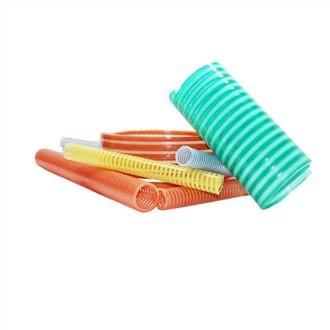
Hey there! As an industrial hose supplier, I've seen my fair share of old hoses that need to be disposed of. It's not just about getting rid of the junk; it's about doing it safely and responsibly. In this blog, I'll walk you through the steps on how to dispose of old industrial hoses safely.
Why Safe Disposal Matters
First off, you might be wondering why it's such a big deal to dispose of old industrial hoses safely. Well, these hoses can be made from a variety of materials, including rubber, plastic, and metal. Some hoses may have been used to transport hazardous substances like chemicals, fuels, or oils. If these hoses aren't disposed of properly, they can pose a serious threat to the environment and human health.
For example, if a hose that previously carried gasoline is just thrown into a landfill, the remaining fuel can leak out and contaminate the soil and groundwater. That's not only bad for the environment but can also lead to costly cleanup efforts. So, safe disposal is crucial to prevent these kinds of issues.
Step 1: Identify the Type of Hose
The first step in safe disposal is to figure out what kind of hose you're dealing with. Different types of hoses are made from different materials and may have been used for different purposes.
- Rubber Hoses: These are some of the most common industrial hoses. They're flexible and can be used for a variety of applications, like transferring water, air, or mild chemicals. Rubber hoses can usually be recycled, but it depends on the specific type of rubber and any additives it contains.
- Plastic Hoses: Plastic hoses are lightweight and often used for low-pressure applications. They can be made from materials like PVC, polyethylene, or polypropylene. Some plastic hoses can be recycled, while others may need to be disposed of as regular waste.
- Metal Hoses: Metal hoses are used for high-pressure applications or in environments where heat or corrosion is a concern. They can be made from stainless steel, brass, or other metals. Metal hoses can usually be recycled, but they may need to be separated from any non-metal components first.
You can also check the label on the hose if it's still intact. It should give you some information about the material and the intended use. If you're not sure what kind of hose you have, you can always consult a professional or contact us at our company. We're happy to help you identify the hose and recommend the best disposal method.
Step 2: Check for Residual Substances
Once you've identified the type of hose, the next step is to check for any residual substances inside. As I mentioned earlier, some hoses may have been used to transport hazardous materials. If there are any leftover chemicals, fuels, or oils in the hose, you need to handle them carefully.
- Drain the Hose: If possible, drain any remaining liquid from the hose. You can do this by connecting the hose to a suitable container and letting gravity do the work. Make sure to wear appropriate protective gear, like gloves and goggles, when handling the liquid.
- Flush the Hose: After draining, you may need to flush the hose with water or a suitable cleaning solution to remove any remaining residue. Again, follow the safety guidelines for the cleaning solution and make sure to dispose of the wastewater properly.
- Test for Residuals: If you're not sure if there are any residual substances in the hose, you can use a testing kit or send a sample to a laboratory for analysis. This will help you determine if the hose is safe to handle and dispose of.
Step 3: Choose the Right Disposal Method
Now that you've identified the type of hose and checked for residual substances, it's time to choose the right disposal method. There are several options available, depending on the type of hose and the local regulations.
- Recycling: If the hose is made from a recyclable material, like rubber, plastic, or metal, recycling is the best option. Recycling helps conserve resources and reduce waste. You can contact a local recycling facility or a specialized industrial hose recycler to see if they accept the type of hose you have. Some common recycling options for industrial hoses include:
- Rubber Recycling: Rubber hoses can be recycled into new rubber products, like mats, flooring, or tires. Some recycling facilities may require the hoses to be shredded or ground into smaller pieces before recycling.
- Plastic Recycling: Plastic hoses can be recycled into new plastic products, like pipes, containers, or toys. However, not all types of plastic are recyclable, so make sure to check with the recycling facility first.
- Metal Recycling: Metal hoses can be recycled into new metal products, like bars, sheets, or wires. Metal recycling is relatively straightforward, but you may need to separate the metal from any non-metal components first.
- Landfill Disposal: If the hose cannot be recycled, it may need to be disposed of in a landfill. However, this should be a last resort, as landfills are filling up quickly and can have a negative impact on the environment. Before disposing of the hose in a landfill, make sure to check the local regulations and follow the proper procedures. Some landfills may require the hose to be wrapped or sealed to prevent it from leaking or causing other problems.
- Hazardous Waste Disposal: If the hose has been used to transport hazardous materials and still contains residual substances, it needs to be disposed of as hazardous waste. Hazardous waste disposal is highly regulated and requires special handling and treatment. You'll need to contact a licensed hazardous waste disposal company to handle the disposal. They'll have the expertise and equipment to ensure that the waste is disposed of safely and in compliance with the law.
Step 4: Follow the Local Regulations
When it comes to disposing of old industrial hoses, it's important to follow the local regulations. Different regions may have different rules and requirements for waste disposal, so make sure to check with your local environmental agency or waste management department.


- Permits and Licenses: Some types of waste disposal may require permits or licenses. For example, if you're disposing of hazardous waste, you'll need to obtain the necessary permits from the local authorities. Make sure to apply for the permits well in advance and follow the instructions carefully.
- Collection and Transportation: The local regulations may also specify how the waste should be collected and transported. For example, you may need to use a licensed waste collection service or follow specific transportation guidelines. Make sure to comply with these requirements to avoid any fines or penalties.
- Record-Keeping: In some cases, you may be required to keep records of the waste disposal. This can include information like the type and quantity of waste, the disposal method, and the date of disposal. Keeping accurate records will help you demonstrate compliance with the regulations and may be required for auditing purposes.
Step 5: Consider Reusing or Repurposing the Hose
Before you decide to dispose of the old industrial hose, consider if it can be reused or repurposed. There are often creative ways to give old hoses a new life, which can save you money and reduce waste.
- DIY Projects: You can use old hoses for various DIY projects, like making garden hoses, plant supports, or even furniture. There are plenty of online tutorials and ideas available to inspire you.
- Donation: If the hose is still in good condition but you no longer need it, you can consider donating it to a local school, community center, or non-profit organization. They may be able to use it for their projects or activities.
- Resale: You can also try selling the old hose on online marketplaces or at a garage sale. Someone else may be interested in buying it for a lower price and using it for their own purposes.
Conclusion
Disposing of old industrial hoses safely is an important responsibility for everyone. By following these steps, you can ensure that the hoses are disposed of in a way that protects the environment and human health. Remember to identify the type of hose, check for residual substances, choose the right disposal method, follow the local regulations, and consider reusing or repurposing the hose.
If you have any questions or need help with disposing of old industrial hoses, don't hesitate to contact us. We're an industrial hose supplier, and we're here to assist you. We have a wide range of Fuel Hose Gasoline, High Pressure Fuel Hose, and 4'' Black Nitrile Hose available for purchase, and we can also provide you with advice on hose disposal. Whether you're looking to buy new hoses or need guidance on getting rid of old ones, we're your go-to source.
References
- "Industrial Hose Recycling: A Sustainable Solution." Environmental Protection Agency.
- "Hazardous Waste Disposal Regulations." Local Environmental Agency.
- "DIY Projects with Old Hoses." Popular Mechanics Magazine.