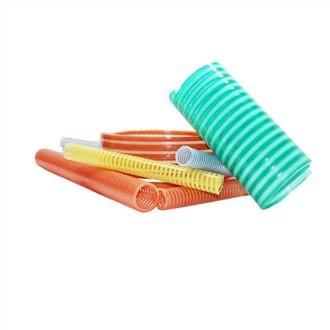
Hey there! As a supplier of PVC spiral hoses, I've seen my fair share of issues with these nifty pieces of equipment. In this blog post, I'm gonna walk you through some common problems you might encounter with a PVC spiral hose and how to troubleshoot them.
1. Leaks in the Hose
One of the most common problems with PVC spiral hoses is leaks. You might notice water or whatever fluid the hose is carrying dripping or spraying out from somewhere along the hose. There are a few reasons why this could happen.
Loose Connections
Often, leaks occur at the connections where the hose attaches to other equipment. Check the clamps or fittings at both ends of the hose. If they're loose, they won't create a tight seal, and that's when you get leaks. You can use a screwdriver or a wrench to tighten the clamps. Make sure not to over - tighten them, though, as that could damage the hose or the fittings.
Holes or Cracks in the Hose
Sometimes, the hose itself can develop holes or cracks. This can be due to wear and tear, exposure to sharp objects, or even extreme temperatures. Inspect the entire length of the hose carefully. If you find a small hole or crack, you can use a hose repair kit. These kits usually come with a patch and some adhesive. Clean the area around the hole or crack thoroughly, then apply the patch according to the instructions on the kit.
If the damage is more severe, like a large crack or a split in the hose, you might need to replace the entire hose. You can find high - quality replacement hoses on our website, such as the 6 Inch Suction Hose Pipe.
2. Reduced Flow Rate
Another issue you might face is a reduced flow rate. If the fluid isn't flowing through the hose as quickly as it should, it can slow down your operations.
Blockages
The most common cause of reduced flow is a blockage in the hose. Debris, dirt, or even solid particles in the fluid can get stuck inside the hose and restrict the flow. To check for blockages, disconnect the hose from the equipment and try to blow air through it. If you can't blow air freely, there's probably a blockage.
You can try to remove the blockage by using a long, thin object like a wire or a pipe cleaner. Gently insert it into the hose and try to dislodge the blockage. If that doesn't work, you can soak the hose in warm, soapy water for a few hours to soften the blockage and then try to flush it out.
Kinks in the Hose
Kinks can also cause a reduced flow rate. A kink in the hose restricts the passage of fluid, just like a blockage. Look for any kinks along the length of the hose and straighten them out. You can try to gently bend the hose back into shape or use your hands to massage the kinked area.
3. Hose Collapsing
A PVC spiral hose collapsing is a serious problem that can disrupt your operations. This usually happens when there's a significant pressure difference between the inside and outside of the hose.
Suction Issues
If the hose is being used for suction, and the suction is too strong, it can cause the hose to collapse. Check the suction equipment to make sure it's operating within the recommended pressure range for the hose. You might need to adjust the settings on the suction pump or use a different pump that's more suitable for the hose.
External Pressure
External pressure can also cause the hose to collapse. For example, if the hose is being crushed by heavy objects or if it's installed in a tight space where there's not enough room for it to expand, it can collapse. Make sure the hose is installed in a location where it won't be subjected to excessive external pressure.
4. Hose Hardening or Brittleness
Over time, PVC spiral hoses can become hard and brittle. This is usually due to exposure to sunlight, chemicals, or extreme temperatures.
Sunlight Exposure
Sunlight contains ultraviolet (UV) rays that can break down the PVC material in the hose, causing it to harden and become brittle. If the hose is installed outdoors, try to provide some shade for it. You can use a tarp or a cover to protect the hose from direct sunlight.
Chemical Exposure
Some chemicals can react with the PVC material in the hose and cause it to deteriorate. Make sure you're using the hose with fluids that are compatible with PVC. If you're unsure, check the chemical compatibility chart provided by the hose manufacturer.
If the hose has become too hard and brittle, it's probably time to replace it. You can find a wide range of Spiral Hose Pvc on our website that are designed to be more resistant to these types of issues.
5. Fittings Corrosion
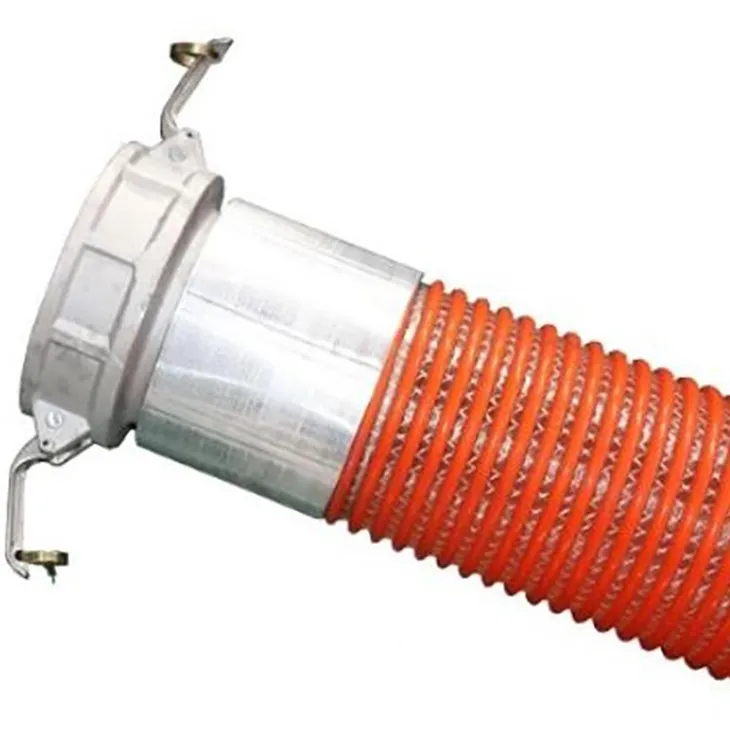
The fittings on the PVC spiral hose can also corrode over time, especially if they're made of metal. Corrosion can cause the fittings to become loose or even break off, leading to leaks.

Regular Cleaning
To prevent corrosion, clean the fittings regularly. Use a mild detergent and a soft cloth to wipe away any dirt or debris. Make sure to dry the fittings thoroughly after cleaning to prevent moisture from causing corrosion.
Using Corrosion - Resistant Fittings
If you're replacing the fittings, consider using corrosion - resistant materials like stainless steel or plastic. These materials are less likely to corrode and will last longer.
In conclusion, troubleshooting problems with a PVC spiral hose isn't as difficult as it might seem. By following these simple steps, you can identify and fix most common issues. And if you need any replacement parts or a new hose, we've got you covered. We offer a wide variety of high - quality Pvc Suction Hose and related products.
If you have any questions or if you're interested in purchasing our products, feel free to reach out. We're always here to help you find the best solutions for your needs. Whether you're a small - scale user or a large - scale industrial customer, we can provide you with the right PVC spiral hose and support. So, don't hesitate to contact us for any procurement discussions.
References
- "PVC Hose Maintenance Guide" - Industry standard publication on PVC hose care
- Manufacturer's manuals for PVC spiral hoses