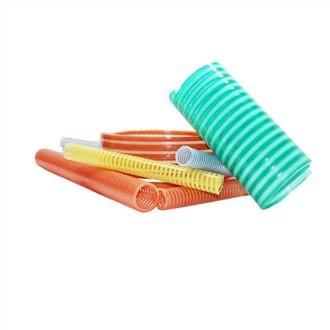
Hey there! As a supplier of LPG hoses, I often get asked about what materials these hoses are made of. It's a pretty important question, 'cause the materials used can really affect the performance, safety, and durability of the hoses. So, let's dive right in and take a look at the common materials used in making LPG hoses.
Rubber
Rubber is one of the most widely used materials for LPG hoses. It's got some great properties that make it suitable for this job. First off, rubber is flexible. That means it can be bent and twisted without breaking, which is super handy when you're trying to connect your LPG tank to your appliance. You don't have to worry about the hose cracking or splitting if you need to adjust its position.
Another big plus of rubber is its resistance to chemicals. LPG contains various substances that could potentially damage other materials, but rubber can stand up to them. It doesn't react easily with the gas, so it won't degrade quickly. This chemical resistance helps to ensure the safety of the hose, as it reduces the risk of leaks.
There are different types of rubber used in LPG hoses. Natural rubber is one option. It's got good elasticity and is relatively inexpensive. But it might not be as resistant to heat and certain chemicals as some synthetic rubbers. Synthetic rubbers like neoprene and nitrile are often preferred. Neoprene is known for its excellent resistance to ozone, weather, and oil. Nitrile rubber, on the other hand, has great resistance to fuels and chemicals, making it a top choice for LPG hoses.
PVC
PVC, or polyvinyl chloride, is another material you'll find in LPG hoses. PVC hoses are popular because they're lightweight and affordable. They're easy to handle and install, which is a big advantage for both DIYers and professionals. You can move them around without too much hassle, and they don't put a strain on your wallet.
One of the key features of PVC is its smooth interior surface. This smoothness allows the LPG to flow through the hose more easily, reducing the pressure drop. That means you can get a more consistent flow of gas to your appliance, which is important for its proper operation.
However, PVC does have some limitations. It's not as flexible as rubber at low temperatures. In cold weather, PVC hoses can become stiff and brittle, increasing the risk of cracking. Also, PVC may not be as resistant to certain chemicals as rubber. So, in some situations where the hose is exposed to harsh chemicals or extreme conditions, PVC might not be the best choice. But for many everyday applications, PVC hoses work just fine. You can check out our Pvc Gas Hose for more information on PVC LPG hoses.
Stainless Steel
Stainless steel is a heavy - duty material used in some LPG hoses, especially in high - pressure or industrial applications. Stainless steel hoses are extremely durable and can withstand high pressures and temperatures. They're also very resistant to corrosion, which is crucial when dealing with LPG, as any corrosion could lead to leaks and safety hazards.
The strength of stainless steel means that these hoses can last a long time, even in tough environments. They're often used in commercial kitchens, industrial plants, and other places where reliability is a must. But stainless steel hoses are more expensive than rubber or PVC hoses, and they're not as flexible. Installing them might require more effort and specialized tools.
Composite Materials
Some LPG hoses are made from composite materials. These are basically a combination of different materials to get the best of both worlds. For example, a hose might have a rubber inner layer for flexibility and chemical resistance, and a stainless - steel outer layer for strength and protection.

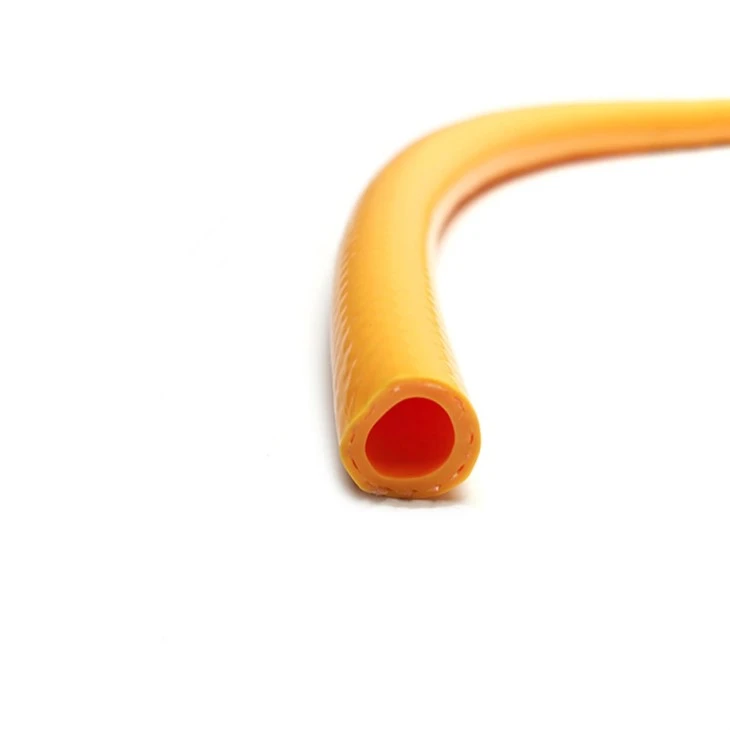
Composite hoses can offer a wide range of properties, such as high flexibility, good chemical resistance, and high - pressure tolerance. They're designed to meet specific requirements of different applications. Whether it's for a small household barbecue or a large industrial gas system, composite hoses can be tailored to fit the needs.
Factors Affecting Material Choice
When choosing the material for an LPG hose, several factors come into play. The first one is the application. If it's for a home barbecue, a rubber or PVC hose might be sufficient. But for an industrial setting with high - pressure requirements, a stainless - steel or composite hose would be a better option.
The environment also matters. If the hose is going to be exposed to extreme temperatures, chemicals, or weather conditions, you need to choose a material that can withstand those. For example, in a coastal area where there's a lot of salt in the air, a corrosion - resistant material like stainless steel would be ideal.
Cost is another important factor. You want to get a hose that fits your budget without compromising on safety and performance. Sometimes, spending a bit more on a high - quality hose can save you money in the long run by reducing the need for frequent replacements.
Our Product Range
As an LPG hose supplier, we offer a wide range of hoses made from different materials. We have rubber hoses that are flexible and reliable for everyday use. Our PVC hoses are great for those on a budget who still need a decent - quality hose. And for more demanding applications, we have stainless - steel and composite hoses.
We also have some specialized hoses in our catalog. For example, our Retractable Medical Oxygen Hose Reel is designed for specific medical applications where oxygen delivery is crucial. And our Oxygene Cylinder Hose is made to ensure a safe and efficient connection between oxygen cylinders and other equipment.
Conclusion
So, there you have it! The materials used in LPG hoses vary, and each has its own advantages and disadvantages. Whether it's rubber, PVC, stainless steel, or composite materials, the key is to choose the right one based on your specific needs.
If you're in the market for an LPG hose, don't hesitate to get in touch with us. We're here to help you find the perfect hose for your application. Our team of experts can provide you with all the information you need and guide you through the selection process. Let's work together to ensure you get a high - quality, safe, and reliable LPG hose.
References
- "Handbook of Industrial Hoses" - A comprehensive guide on the materials and applications of industrial hoses.
- Industry standards and regulations related to LPG hoses, which provide information on the required properties of different materials.