When it comes to choosing the right fittings for various applications, one of the most common debates is whether brass fittings are more durable than aluminum fittings. As a supplier of high - quality brass fittings, I've witnessed firsthand the different scenarios where each type of fitting shines, and I'm excited to share my in - depth knowledge on this topic.
Understanding the Basics: Brass and Aluminum
Before delving into the durability comparison, it's crucial to understand the fundamental properties of brass and aluminum. Brass is an alloy primarily composed of copper and zinc. This combination results in a material that offers excellent corrosion resistance, high tensile strength, and good machinability. On the other hand, aluminum is a lightweight, silvery - white metal known for its low density, high thermal conductivity, and natural resistance to oxidation due to the formation of a thin oxide layer on its surface.
Durability in Corrosive Environments
One of the key factors in determining the durability of fittings is their performance in corrosive environments. Brass fittings have a long - standing reputation for their resistance to corrosion. The copper in brass forms a protective patina when exposed to air and moisture, which acts as a barrier against further corrosion. This makes brass fittings an ideal choice for applications where they will come into contact with water, such as plumbing systems or marine environments.

For instance, Brass Fire Hose Couplings are often used in fire - fighting equipment. These couplings need to withstand the constant contact with water, as well as potential exposure to harsh chemicals in fire - fighting foams. The corrosion - resistant properties of brass ensure that these couplings remain functional and reliable over an extended period, even under challenging conditions.
Aluminum, while it has a natural oxide layer that provides some protection against corrosion, is more susceptible to corrosion in certain environments. In the presence of alkaline substances or saltwater, the oxide layer can break down, leading to corrosion of the underlying metal. This means that in applications where there is a high risk of exposure to such corrosive agents, brass fittings are generally a more durable option.
Strength and Resistance to Wear
Another aspect of durability is the strength of the fittings and their resistance to wear. Brass has a relatively high tensile strength, which means it can withstand significant amounts of stress without deforming or breaking. This makes brass fittings suitable for applications where they will be subjected to high pressure, such as in industrial piping systems.
Brass Washing Machine Pipe Connector is an example of a fitting that needs to be strong and resistant to wear. These connectors are constantly under pressure from the water flow in the washing machine, and any failure could lead to leaks and water damage. The strength of brass ensures that these connectors can handle the pressure and last for a long time.
Aluminum, being a lighter metal, has a lower tensile strength compared to brass. While it can be suitable for applications where weight is a critical factor, such as in aerospace or automotive industries, it may not be as durable in high - pressure or high - stress applications. In addition, aluminum is softer than brass, which means it is more prone to scratches and dents, which can affect its performance over time.
Thermal and Electrical Conductivity
Thermal and electrical conductivity can also play a role in the durability of fittings. Brass has moderate thermal and electrical conductivity, which can be beneficial in some applications. For example, in electrical applications, brass fittings can help to dissipate heat and prevent overheating, which can extend the lifespan of the components.
In contrast, aluminum has a very high thermal conductivity, which can be both an advantage and a disadvantage. While it can quickly transfer heat away from a component, it may also be more prone to thermal expansion and contraction. This can cause stress on the fittings and potentially lead to leaks or failures over time, especially in applications where there are significant temperature fluctuations.
Cost - Durability Balance
Cost is another important consideration when choosing between brass and aluminum fittings. Generally, brass fittings are more expensive than aluminum fittings due to the cost of the raw materials and the manufacturing process. However, when considering the long - term durability and performance, the higher initial cost of brass fittings can often be justified.
Brass fittings tend to have a longer lifespan, which means they may not need to be replaced as frequently as aluminum fittings. This can result in cost savings over time, especially in applications where the cost of replacement and downtime is high.
Applications Where Aluminum Fittings May Be Preferred
While brass fittings have many advantages in terms of durability, there are some applications where aluminum fittings may be a better choice. For example, in applications where weight is a major concern, such as in portable equipment or aircraft, aluminum fittings are preferred due to their low density. Their high thermal conductivity can also be an advantage in applications where rapid heat dissipation is required.
Conclusion
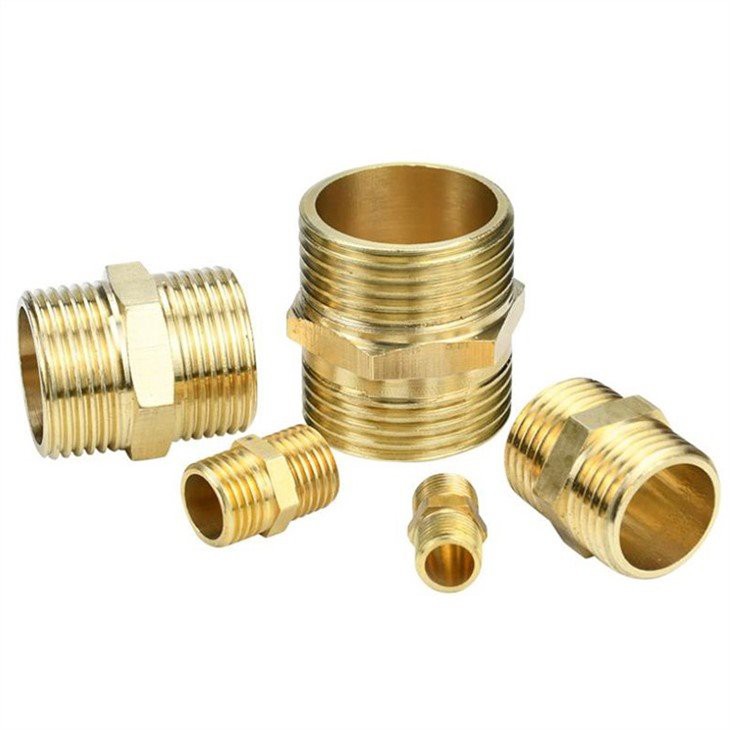
In conclusion, brass fittings are generally more durable than aluminum fittings in most common applications. Their superior corrosion resistance, high tensile strength, and moderate thermal and electrical conductivity make them a reliable choice for a wide range of uses. As a supplier of brass fittings, I can attest to the long - lasting performance of our products, such as Brass Double Male Hose Connector, which are designed to meet the highest standards of quality and durability.
If you're in the market for high - quality fittings and are looking for a durable solution, I encourage you to consider brass fittings. Whether you're working on a plumbing project, an industrial application, or any other project that requires reliable fittings, our brass fittings are sure to meet your needs. Feel free to reach out to us to discuss your specific requirements and start a procurement negotiation. We're committed to providing you with the best products and services to ensure the success of your project.
References
- ASM Handbook Volume 2: Properties and Selection: Nonferrous Alloys and Special - Purpose Materials.
- Corrosion Resistance of Metals and Alloys by L. L. Shreir, R. A. Jarman, and G. T. Burstein.
- Materials Science and Engineering: An Introduction by William D. Callister Jr. and David G. Rethwisch.