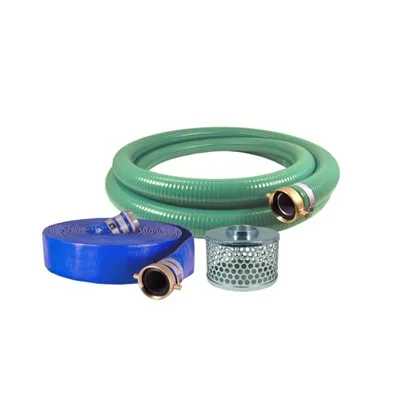
Industrial hoses are essential components in a wide range of industries, playing a crucial role in transporting various substances such as liquids, gases, and solids. As an industrial hose supplier, I understand the importance of using the right materials to ensure the performance, durability, and safety of these hoses. In this blog post, I will explore the common materials used in the manufacturing of industrial hoses and their properties.
Rubber
Rubber is one of the most widely used materials for industrial hoses due to its excellent flexibility, resilience, and resistance to abrasion, chemicals, and weather conditions. Natural rubber, derived from the latex of rubber trees, is known for its high tensile strength and elasticity. It is commonly used in applications where flexibility and shock absorption are required, such as in hydraulic hoses and pneumatic hoses.


Synthetic rubbers, on the other hand, are man-made polymers that offer a wide range of properties and performance characteristics. Some of the most common synthetic rubbers used in industrial hoses include:
- Neoprene: Neoprene is a synthetic rubber that offers excellent resistance to oil, ozone, and weathering. It is commonly used in applications where exposure to harsh environments is expected, such as in automotive and marine industries.
- Nitrile: Nitrile rubber is known for its excellent resistance to oil, fuel, and chemicals. It is commonly used in applications where contact with petroleum-based products is likely, such as in fuel hoses and hydraulic hoses.
- EPDM: EPDM (ethylene propylene diene monomer) is a synthetic rubber that offers excellent resistance to heat, ozone, and weathering. It is commonly used in applications where exposure to high temperatures and outdoor environments is expected, such as in radiator hoses and roofing membranes.
Thermoplastics
Thermoplastics are another popular choice for industrial hoses due to their lightweight, flexibility, and chemical resistance. Unlike rubber, thermoplastics can be melted and re-molded multiple times, making them easy to process and manufacture. Some of the most common thermoplastics used in industrial hoses include:
- PVC (Polyvinyl Chloride): PVC is a widely used thermoplastic that offers excellent chemical resistance, flexibility, and low cost. It is commonly used in applications where low pressure and moderate temperature are required, such as in water hoses and garden hoses.
- PU (Polyurethane): PU is a high-performance thermoplastic that offers excellent abrasion resistance, flexibility, and tear strength. It is commonly used in applications where high pressure and harsh environments are expected, such as in hydraulic hoses and pneumatic hoses.
- PE (Polyethylene): PE is a lightweight and flexible thermoplastic that offers excellent chemical resistance and low cost. It is commonly used in applications where low pressure and moderate temperature are required, such as in irrigation hoses and fuel hoses.
Metal
Metal hoses are commonly used in applications where high pressure, high temperature, and corrosion resistance are required. Metal hoses are typically made of stainless steel, carbon steel, or aluminum, and they offer excellent strength, durability, and flexibility. Some of the most common types of metal hoses include:
- Corrugated Metal Hoses: Corrugated metal hoses are made of a series of corrugations that provide flexibility and allow for easy bending and movement. They are commonly used in applications where vibration and movement are expected, such as in automotive and aerospace industries.
- Braided Metal Hoses: Braided metal hoses are made of a series of metal wires that are braided together to provide strength and durability. They are commonly used in applications where high pressure and high temperature are expected, such as in hydraulic hoses and steam hoses.
- Spiral Wound Metal Hoses: Spiral wound metal hoses are made of a series of metal strips that are wound together to form a spiral shape. They are commonly used in applications where high pressure and high temperature are expected, such as in oil and gas industries.
Composite Materials
Composite materials are a combination of two or more materials that offer unique properties and performance characteristics. Composite hoses are commonly used in applications where a combination of flexibility, strength, and chemical resistance is required. Some of the most common types of composite hoses include:
- Textile-Reinforced Hoses: Textile-reinforced hoses are made of a combination of rubber or thermoplastic and textile fibers, such as polyester or nylon. The textile fibers provide strength and reinforcement, while the rubber or thermoplastic provides flexibility and chemical resistance. Textile-reinforced hoses are commonly used in applications where low pressure and moderate temperature are required, such as in water hoses and air hoses.
- Fiber-Reinforced Hoses: Fiber-reinforced hoses are made of a combination of rubber or thermoplastic and fiber materials, such as carbon fiber or glass fiber. The fiber materials provide high strength and stiffness, while the rubber or thermoplastic provides flexibility and chemical resistance. Fiber-reinforced hoses are commonly used in applications where high pressure and high temperature are expected, such as in hydraulic hoses and aerospace hoses.
- Laminated Hoses: Laminated hoses are made of a combination of multiple layers of materials, such as rubber, thermoplastic, and textile fibers. The layers are bonded together to provide strength, flexibility, and chemical resistance. Laminated hoses are commonly used in applications where a combination of properties is required, such as in food and beverage industries.
Conclusion
In conclusion, industrial hoses are made of a variety of materials, each with its own unique properties and performance characteristics. The choice of material depends on the specific application requirements, such as pressure, temperature, chemical compatibility, and flexibility. As an industrial hose supplier, I can help you select the right material for your application and provide you with high-quality hoses that meet your needs.
If you are in the market for industrial hoses, I encourage you to explore our product range, including High Pressure Lpg Gas Hose, Propane Gas Hose and Fittings Pipe, and Oxygene Cylinder Hose. Our hoses are manufactured using the latest technology and high-quality materials to ensure the best performance and durability.
If you have any questions or need further information, please do not hesitate to contact us. We are here to help you find the right industrial hoses for your application and provide you with the best customer service.
References
- "Industrial Hoses: A Comprehensive Guide." Industrial Hose Manufacturer's Association.
- "Materials for Industrial Hoses." Rubber and Plastics News.
- "Thermoplastics in Industrial Hoses." Plastics Technology.
- "Metal Hoses: Applications and Benefits." Metal Hose Manufacturer's Association.
- "Composite Materials in Industrial Hoses." Composites World.