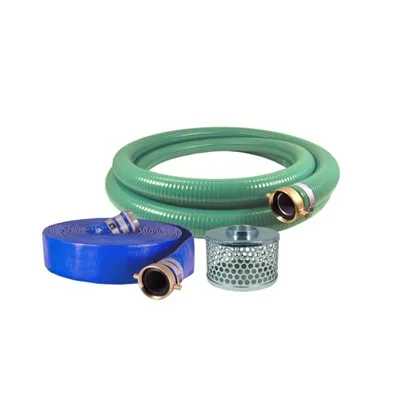
As a supplier of Quick Fittings, I often encounter questions from customers regarding safety concerns associated with these products. Quick Fittings are designed to provide a fast and efficient way to connect and disconnect various components in fluid systems, such as hoses, pipes, and valves. They are widely used in industries such as agriculture, manufacturing, and automotive. In this blog, I will address some of the common safety concerns related to Quick Fittings and explain how we ensure the safety of our products.
Understanding Quick Fittings
Quick Fittings are engineered to offer a secure and reliable connection with minimal effort. They typically consist of two mating parts that can be quickly joined or separated without the need for tools. This feature makes them highly convenient for applications where frequent disconnection and reconnection are required. However, the ease of use also raises questions about their safety.
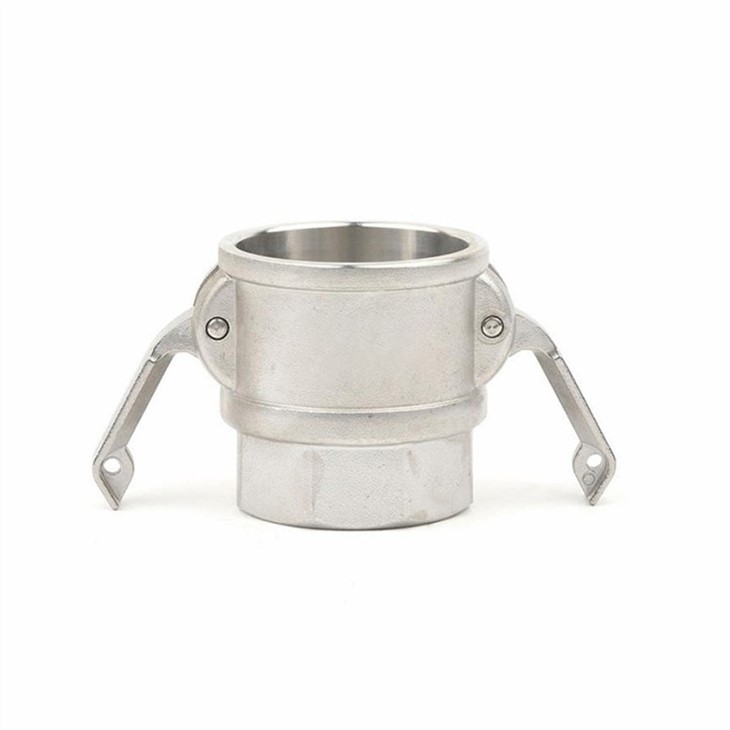

One of the primary safety concerns with Quick Fittings is the potential for leakage. If the fitting is not properly installed or if it becomes damaged, it can lead to fluid leakage, which can pose a risk to personnel and the environment. To mitigate this risk, our Quick Fittings are designed with high - quality materials and precision manufacturing techniques. We use materials such as stainless steel, brass, and high - grade plastics that are resistant to corrosion and wear. This ensures that the fittings maintain their integrity over time and are less likely to develop leaks.
Pressure and Temperature Ratings
Another important safety aspect is the pressure and temperature ratings of Quick Fittings. Each fitting is designed to operate within specific pressure and temperature ranges. Exceeding these ratings can cause the fitting to fail, leading to potential safety hazards. Our Quick Fittings are clearly marked with their pressure and temperature ratings, and we provide detailed technical specifications to our customers. This allows them to select the appropriate fitting for their specific application and ensure that it operates within the safe limits.
For example, our 2 Inch Layflat Hose Connector is designed to handle a certain range of pressures and temperatures. By following the recommended guidelines, customers can ensure that the connector functions safely and effectively.
Compatibility and Installation
Compatibility is also a crucial factor in ensuring the safety of Quick Fittings. Different types of fluids and systems require specific fittings to ensure a proper and secure connection. Our team of experts can assist customers in selecting the right fitting for their application, taking into account factors such as fluid type, flow rate, and system requirements.
Proper installation is equally important. Incorrect installation can lead to a weak connection, which may result in leakage or even fitting failure. We provide detailed installation instructions with each of our Quick Fittings, and our customer support team is available to answer any questions regarding installation.
Quality Control and Testing
To ensure the safety of our Quick Fittings, we have a rigorous quality control process in place. Each fitting undergoes a series of tests before it is released to the market. These tests include pressure testing, leak testing, and durability testing. We use state - of - the - art equipment and techniques to ensure that our fittings meet or exceed industry standards.
For instance, our Quickly PVC Camlock Fittings are tested to ensure that they can withstand the specified pressures and temperatures without any signs of leakage or failure. This gives our customers peace of mind knowing that they are using a safe and reliable product.
Maintenance and Inspection
Regular maintenance and inspection are essential for the continued safe operation of Quick Fittings. Customers should periodically check their fittings for signs of wear, damage, or leakage. If any issues are detected, the fitting should be replaced immediately.
We also recommend following a maintenance schedule to ensure that the fittings are in good working condition. This includes cleaning the fittings, lubricating moving parts, and checking for proper alignment.
Conclusion
In conclusion, while there are potential safety concerns associated with Quick Fittings, these can be effectively managed through proper design, selection, installation, and maintenance. As a supplier, we are committed to providing our customers with high - quality Quick Fittings that meet the highest safety standards.
If you have any questions or are interested in purchasing our Quick Fittings, please feel free to contact us. We are here to assist you in finding the right solution for your needs and ensuring the safety of your fluid systems.
References
- Industry standards for Quick Fittings
- Technical literature on fluid system safety
- Manufacturer's specifications for Quick Fittings