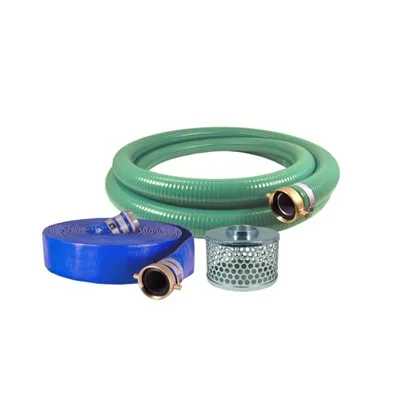
Can silicone hoses be used in cosmetic manufacturing?
In the dynamic world of cosmetic manufacturing, the choice of materials is crucial to ensure product safety, quality, and efficiency. One material that has gained significant attention in recent years is silicone. As a leading silicone hose supplier, I am often asked whether silicone hoses can be used in cosmetic manufacturing. In this blog post, I will explore the properties of silicone hoses, their advantages and potential challenges in cosmetic manufacturing, and provide some practical insights for those considering using them in their processes.
Properties of Silicone Hoses
Silicone is a synthetic elastomer made from silicone, oxygen, carbon, and hydrogen. It has a unique combination of properties that make it suitable for a wide range of applications, including cosmetic manufacturing. Here are some key properties of silicone hoses:
- Chemical Resistance: Silicone hoses are highly resistant to a wide range of chemicals, including acids, bases, solvents, and oils. This makes them ideal for handling various cosmetic ingredients, such as fragrances, essential oils, and emulsifiers, without the risk of chemical reactions or contamination.
- Temperature Resistance: Silicone hoses can withstand a wide range of temperatures, from -60°C to 230°C (-76°F to 446°F). This makes them suitable for use in both hot and cold processes, such as heating, cooling, and sterilization.
- Flexibility and Durability: Silicone hoses are highly flexible and can be easily bent, twisted, and routed without kinking or collapsing. They are also durable and can withstand repeated use and handling without cracking or breaking.
- Food-Grade and Medical-Grade Options: Silicone hoses are available in food-grade and medical-grade options, which are certified to meet strict safety and quality standards. These options are suitable for use in cosmetic manufacturing processes that involve direct contact with cosmetic products or human skin.
- Low Odor and Taste: Silicone hoses have a low odor and taste, which makes them ideal for use in cosmetic manufacturing processes that require a neutral odor and taste. This is particularly important for cosmetic products that are applied directly to the skin or used in oral care.
Advantages of Using Silicone Hoses in Cosmetic Manufacturing
The properties of silicone hoses make them a popular choice for cosmetic manufacturing. Here are some advantages of using silicone hoses in cosmetic manufacturing:


- Product Safety: Silicone hoses are made from non-toxic and hypoallergenic materials, which makes them safe for use in cosmetic manufacturing processes that involve direct contact with cosmetic products or human skin. They are also resistant to bacteria and fungi, which helps to prevent contamination and ensure product safety.
- Product Quality: Silicone hoses are highly flexible and can be easily bent, twisted, and routed without kinking or collapsing. This allows for smooth and efficient flow of cosmetic ingredients, which helps to ensure consistent product quality. They are also resistant to chemical reactions and contamination, which helps to maintain the integrity of cosmetic products.
- Process Efficiency: Silicone hoses are easy to clean and sterilize, which helps to reduce downtime and increase process efficiency. They are also resistant to high temperatures and pressures, which allows for faster and more efficient production processes.
- Cost-Effectiveness: Silicone hoses are durable and can withstand repeated use and handling without cracking or breaking. This reduces the need for frequent replacement, which helps to save costs in the long run. They are also available in a wide range of sizes and configurations, which allows for customization to meet specific application requirements.
Potential Challenges of Using Silicone Hoses in Cosmetic Manufacturing
While silicone hoses offer many advantages in cosmetic manufacturing, there are also some potential challenges that need to be considered. Here are some potential challenges of using silicone hoses in cosmetic manufacturing:
- Compatibility with Cosmetic Ingredients: While silicone hoses are generally resistant to a wide range of chemicals, they may not be compatible with all cosmetic ingredients. Some cosmetic ingredients, such as certain solvents and surfactants, may cause swelling or degradation of silicone hoses over time. It is important to test the compatibility of silicone hoses with specific cosmetic ingredients before using them in production.
- Static Electricity Generation: Silicone hoses can generate static electricity during the flow of cosmetic ingredients, which can cause problems such as dust attraction and product contamination. It is important to use anti-static additives or grounding techniques to prevent static electricity generation.
- Installation and Maintenance: Silicone hoses need to be installed and maintained properly to ensure their optimal performance. Improper installation or maintenance can lead to problems such as kinking, leaking, and premature failure. It is important to follow the manufacturer's instructions for installation and maintenance and to perform regular inspections and checks.
Practical Insights for Using Silicone Hoses in Cosmetic Manufacturing
Based on my experience as a silicone hose supplier, here are some practical insights for using silicone hoses in cosmetic manufacturing:
- Choose the Right Silicone Hose: There are different types of silicone hoses available, each with its own unique properties and characteristics. It is important to choose the right silicone hose for your specific application requirements. For example, if you need a hose for handling high temperatures, you may need to choose a hose with a high temperature resistance rating. If you need a hose for handling food-grade or medical-grade cosmetic ingredients, you may need to choose a hose that is certified to meet the relevant safety and quality standards.
- Test the Compatibility of Silicone Hoses with Cosmetic Ingredients: Before using silicone hoses in production, it is important to test their compatibility with specific cosmetic ingredients. This can be done by conducting a small-scale test in a laboratory or pilot plant. The test should involve exposing the silicone hose to the cosmetic ingredient for a specified period of time and observing any changes in the hose's physical and chemical properties.
- Use Anti-Static Additives or Grounding Techniques: To prevent static electricity generation, you can use anti-static additives or grounding techniques. Anti-static additives can be added to the silicone hose during the manufacturing process or applied to the surface of the hose after installation. Grounding techniques involve connecting the silicone hose to a grounded electrical conductor to dissipate static electricity.
- Follow the Manufacturer's Instructions for Installation and Maintenance: To ensure the optimal performance of silicone hoses, it is important to follow the manufacturer's instructions for installation and maintenance. This includes proper installation techniques, such as using the correct fittings and clamps, and regular maintenance procedures, such as cleaning, inspection, and replacement of worn or damaged parts.
Conclusion
In conclusion, silicone hoses can be used in cosmetic manufacturing due to their unique combination of properties, such as chemical resistance, temperature resistance, flexibility, and durability. They offer many advantages in terms of product safety, quality, process efficiency, and cost-effectiveness. However, there are also some potential challenges that need to be considered, such as compatibility with cosmetic ingredients, static electricity generation, and installation and maintenance. By choosing the right silicone hose, testing its compatibility with cosmetic ingredients, using anti-static additives or grounding techniques, and following the manufacturer's instructions for installation and maintenance, you can ensure the successful use of silicone hoses in your cosmetic manufacturing processes.
If you are interested in learning more about our Silicone Blue Corrugated Hose, Silicone Drinking Water Safe Hose or Silicone Braided Hose, or need further guidance on using silicone hoses in your cosmetic manufacturing, please feel free to reach out. We are here to support you with professional advice and high-quality products for your specific needs. Let's start a conversation and explore how our silicone hoses can enhance your cosmetic manufacturing processes.
References
- "Silicone Rubber: Properties and Applications." Elastomer Technology Handbook, edited by A. K. Bhowmick and H. L. Stephens, Marcel Dekker, 2000.
- "Cosmetic Manufacturing Processes." Cosmetic Science and Technology, edited by P. M. Elias and H. I. Maibach, Taylor & Francis, 2008.
- Manufacturer's technical data sheets and product manuals for silicone hoses.