Yo, what's up everyone! As a supplier of HDPE pipes, I often get asked about all sorts of technical stuff. One question that comes up a lot is, "What is the stress relaxation of HDPE pipes?" Well, let's dive right into it.
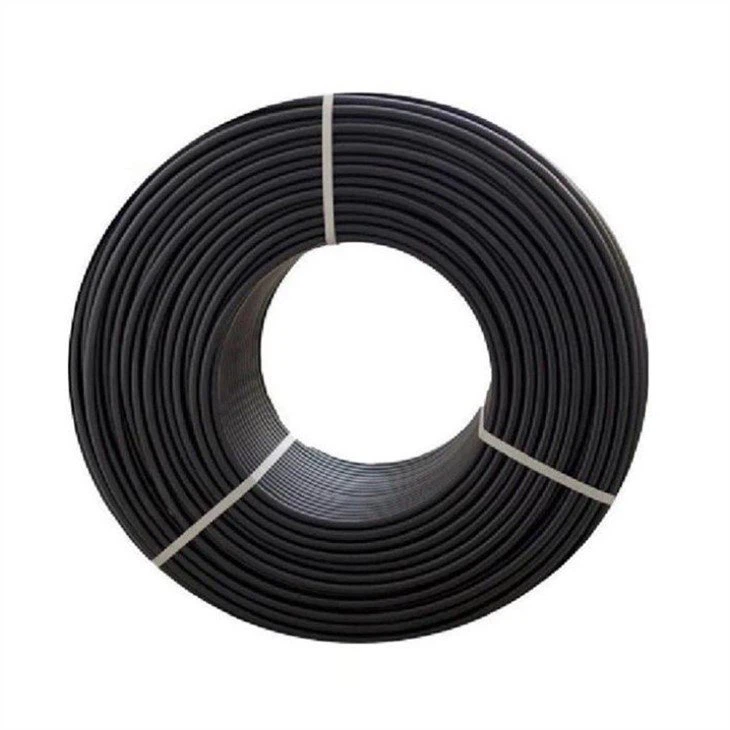
First off, HDPE stands for High - Density Polyethylene. It's a type of plastic that's widely used for making pipes because it's tough, flexible, and resistant to corrosion. Our company offers a wide range of HDPE pipes, like the Black Plastic Water Pipe Roll, HDPE 6 Inch Corrugated Drainage Pipe, and Plastic Pe100 Hdpe Pipe. These pipes are used in many applications, from water supply to drainage systems.
Now, let's talk about stress relaxation. Stress relaxation is a pretty important concept when it comes to HDPE pipes. When you install an HDPE pipe, it experiences stress. This stress can come from different sources, like the pressure of the fluid flowing inside the pipe, the weight of the soil if it's buried underground, or even temperature changes.
At the beginning, when the pipe is first subjected to stress, it has a certain amount of internal stress. But over time, this stress starts to decrease even though the deformation (like stretching or compressing) of the pipe remains the same. That's stress relaxation in a nutshell.
You might be wondering, why does stress relaxation happen in HDPE pipes? Well, HDPE is a viscoelastic material. That means it has both viscous and elastic properties. The elastic part is like a spring. When you stretch it, it wants to go back to its original shape. But the viscous part is like a thick fluid. It resists the movement and causes the material to flow slowly over time.
When we apply stress to an HDPE pipe, the polymer chains in the material start to move and rearrange themselves. At first, the chains are all tangled up, and they resist the deformation. But as time goes on, the chains start to slide past each other and find more stable positions. This rearrangement of the polymer chains is what causes the stress to relax.
Let's look at an example. Imagine you have a Plastic Pe100 Hdpe Pipe installed in a water supply system. When the water starts flowing through the pipe, it creates internal pressure, which puts stress on the pipe walls. At the beginning, the pipe walls are under a lot of stress to hold the pressure. But after a few days or weeks, the polymer chains in the HDPE start to adjust. The stress on the pipe walls gradually decreases, even though the water pressure remains the same.
The rate of stress relaxation in HDPE pipes depends on several factors. One of the most important factors is temperature. Higher temperatures generally speed up the stress relaxation process. That's because at higher temperatures, the polymer chains have more energy, so they can move and rearrange themselves more easily. For example, if you have an HDPE pipe installed in a hot climate, the stress relaxation will happen faster compared to a pipe in a cold climate.
Another factor is the initial stress level. If the pipe is subjected to a very high initial stress, the stress relaxation will also be more significant. Also, the type of HDPE resin used to make the pipe matters. Different grades of HDPE have different molecular structures, which can affect how the polymer chains move and how quickly stress relaxation occurs.
Stress relaxation has both positive and negative aspects for HDPE pipes. On the positive side, it can reduce the long - term stress on the pipe. This means that the pipe is less likely to fail due to stress over time. For example, in a buried HDPE 6 Inch Corrugated Drainage Pipe, stress relaxation can help the pipe adapt to the changing soil conditions and reduce the risk of cracking or bursting.
On the negative side, excessive stress relaxation can cause some problems. If the stress relaxes too much, the pipe might not be able to maintain its shape properly. For example, in a water supply system, if the stress relaxation is too rapid, the pipe might start to deform, which could lead to leaks or blockages.
So, as a supplier, we need to take stress relaxation into account when designing and manufacturing HDPE pipes. We test our pipes under different conditions to make sure they can handle the expected stress levels and have an appropriate rate of stress relaxation.
When it comes to choosing the right HDPE pipe for your project, you need to consider stress relaxation. If you're in a hot area, you might want to choose a pipe with a more stable molecular structure to slow down the stress relaxation process. If you're dealing with high - pressure applications, you need a pipe that can maintain its stress - bearing capacity over time.
We at our company are always here to help you make the right choice. Whether you need a Black Plastic Water Pipe Roll for a small - scale water project or a HDPE 6 Inch Corrugated Drainage Pipe for a large - scale drainage system, we've got you covered.
If you're interested in our HDPE pipes and want to learn more about how stress relaxation affects their performance, or if you're ready to place an order, don't hesitate to get in touch. We can provide you with all the technical details and help you find the best solution for your needs.

In conclusion, stress relaxation is an important phenomenon in HDPE pipes. Understanding it can help you choose the right pipe for your project and ensure its long - term performance. So, if you have any questions or need more information, just reach out. We're here to make your HDPE pipe selection process as easy as possible.
References
- "Plastic Pipes Handbook" by Berndt - Michael Reinhardt
- "Viscoelasticity of Polymers" by John D. Ferry