When it comes to steel fittings, two of the most commonly used materials are carbon steel and stainless steel. As a seasoned steel fitting supplier, I've encountered numerous inquiries regarding the differences between these two types of materials. In this blog post, I'll delve into the key distinctions between carbon steel and stainless steel fittings, helping you make an informed decision for your specific needs.
Composition
The fundamental difference between carbon steel and stainless steel lies in their composition. Carbon steel is primarily an alloy of iron and carbon, with carbon content typically ranging from 0.05% to 2.1%. This relatively simple composition gives carbon steel its characteristic strength and hardness. Other elements such as manganese, silicon, and small amounts of sulfur and phosphorus may also be present, which can influence the steel's properties to some extent.
On the other hand, stainless steel is a more complex alloy that contains a minimum of 10.5% chromium. Chromium is the element that gives stainless steel its corrosion - resistant properties. When exposed to oxygen, chromium forms a thin, invisible layer of chromium oxide on the surface of the steel. This passive layer acts as a barrier, preventing further oxidation and corrosion. In addition to chromium, stainless steel may also contain other elements such as nickel, molybdenum, and titanium, which enhance its corrosion resistance, strength, and other properties.
Corrosion Resistance
One of the most significant differences between carbon steel and stainless steel fittings is their corrosion resistance. Carbon steel is prone to rusting when exposed to moisture and oxygen. The iron in carbon steel reacts with oxygen in the presence of water to form iron oxide, commonly known as rust. Rust can weaken the steel over time, leading to structural failure in extreme cases. Therefore, carbon steel fittings often require additional protective coatings such as paint, galvanizing, or epoxy to prevent corrosion.
In contrast, stainless steel is highly resistant to corrosion due to the presence of chromium. The chromium oxide layer on the surface of stainless steel is self - healing, meaning that if it is damaged, it can reform in the presence of oxygen. This makes stainless steel fittings ideal for applications in harsh environments, such as marine, chemical, and food processing industries, where corrosion is a major concern.
Strength and Hardness
Carbon steel is known for its high strength and hardness. The carbon content in carbon steel increases its strength and hardness, making it suitable for applications that require high load - bearing capacity. For example, carbon steel fittings are commonly used in construction, oil and gas pipelines, and heavy machinery industries. However, the high carbon content also makes carbon steel more brittle, which can be a disadvantage in some applications where ductility is required.


Stainless steel, while still strong, generally has a lower strength and hardness compared to carbon steel. However, the addition of other alloying elements such as nickel and molybdenum can improve its strength and toughness. Stainless steel is more ductile than carbon steel, which means it can be easily formed into various shapes without cracking. This makes it a good choice for applications that require complex shapes and good formability.
Cost
Cost is an important factor to consider when choosing between carbon steel and stainless steel fittings. Carbon steel is generally less expensive than stainless steel. The raw materials for carbon steel are more abundant and less costly to produce. Additionally, the manufacturing process for carbon steel is relatively simpler, which further reduces the cost.
Stainless steel, on the other hand, is more expensive due to the higher cost of the alloying elements, especially nickel and chromium. The manufacturing process for stainless steel is also more complex, as it requires precise control of the alloy composition and heat treatment to achieve the desired properties. However, the long - term cost savings from using stainless steel fittings, such as reduced maintenance and replacement costs, can offset the initial higher purchase price in some applications.
Aesthetic Appearance
The aesthetic appearance is another difference between carbon steel and stainless steel fittings. Carbon steel typically has a dull, grayish - black appearance, especially when it is not coated. The surface of carbon steel can also become rusty and discolored over time if not properly protected.
Stainless steel has a bright, shiny appearance that is often considered more aesthetically pleasing. It can be polished to a high shine or finished in various textures, such as brushed or satin, to suit different design requirements. This makes stainless steel fittings a popular choice for architectural and decorative applications.
Applications
Due to their different properties, carbon steel and stainless steel fittings are used in different applications.
Carbon steel fittings are widely used in industries where strength and cost - effectiveness are the primary concerns. In the construction industry, carbon steel pipes and fittings are used for structural support, plumbing systems, and HVAC systems. In the oil and gas industry, carbon steel fittings are used in pipelines for transporting oil, gas, and other fluids. They are also used in heavy machinery, automotive, and agricultural equipment manufacturing. You can find a wide range of carbon steel fittings such as Hard Cast Iron Pipe Fitting and Iron Grooved Pipe Fittings on our website.
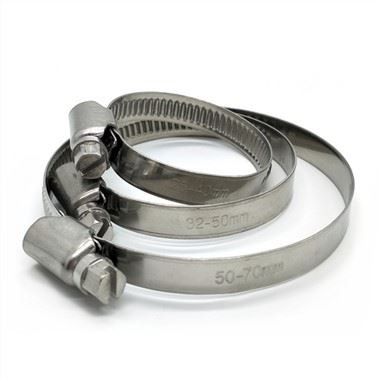
Stainless steel fittings are preferred in applications where corrosion resistance and hygiene are crucial. In the food and beverage industry, stainless steel fittings are used in processing equipment, storage tanks, and piping systems to ensure the safety and quality of the products. In the pharmaceutical industry, stainless steel is used for its non - reactive and easy - to - clean properties. In the marine industry, stainless steel fittings are used in boats, ships, and offshore platforms to withstand the harsh saltwater environment. We also offer a variety of stainless steel Fitting And Clamp on our platform.
Conclusion
In summary, carbon steel and stainless steel fittings have distinct differences in composition, corrosion resistance, strength, hardness, cost, aesthetic appearance, and applications. As a steel fitting supplier, I understand that each project has unique requirements, and choosing the right material is crucial for the success of your project.
If you are looking for a cost - effective solution with high strength for general applications, carbon steel fittings may be the right choice for you. However, if you need fittings that can withstand harsh environments, require good corrosion resistance, and have an aesthetically pleasing appearance, stainless steel fittings are a better option.
If you have any questions or need assistance in selecting the appropriate steel fittings for your project, feel free to contact us. Our team of experts is always ready to provide you with professional advice and high - quality products to meet your specific needs. Let's start a discussion and find the perfect steel fitting solution for you.
References
- ASM Handbook Committee. (2004). ASM Handbook: Properties and Selection: Irons, Steels, and High - Performance Alloys. ASM International.
- Degarmo, E. P., Black, J. T., & Kohser, R. A. (2003). Materials and Processes in Manufacturing. John Wiley & Sons.