Radiation resistance is a crucial property for industrial hoses, especially in environments where they are exposed to various forms of radiation. As an industrial hose supplier, I've dealt with numerous customers who have specific requirements regarding radiation resistance. In this blog, I'll explain what radiation resistance in industrial hoses is, why it matters, and how we can provide hoses that meet these needs.
Let's start by understanding what radiation is. Radiation is the emission of energy as electromagnetic waves or as moving subatomic particles, especially high - energy particles that cause ionization. There are different types of radiation, such as alpha, beta, gamma rays, and X - rays. Each type has different properties and levels of penetration and can cause different effects on materials.


When it comes to industrial hoses, radiation can have a significant impact on their performance and lifespan. Exposure to radiation can cause degradation of the hose materials. For example, it can break down the molecular structure of polymers used in the hoses. This may lead to a loss of flexibility, strength, and chemical resistance. In extreme cases, the hose may crack, leak, or fail completely, which can be a serious safety hazard in industrial settings.
So, what does radiation resistance mean for industrial hoses? A radiation - resistant hose is designed to withstand the effects of radiation to a certain extent. This is achieved through the selection of appropriate materials and manufacturing processes. Some materials are inherently more resistant to radiation than others. For instance, certain types of rubber and plastics have better radiation - resistant properties.
Silicone rubber is one such material. It has good resistance to gamma rays and can maintain its physical properties even after exposure to relatively high levels of radiation. Fluoropolymers, like PTFE (polytetrafluoroethylene), are also known for their excellent radiation resistance. These materials can be used to make the inner tube, outer cover, or reinforcement layers of the industrial hoses.
The manufacturing process also plays a vital role in enhancing radiation resistance. For example, cross - linking the polymers can improve their stability and resistance to radiation. Cross - linking creates a more rigid molecular structure that is less likely to be broken down by radiation.
Now, let's talk about the industries where radiation - resistant industrial hoses are essential. One of the most obvious is the nuclear industry. In nuclear power plants, hoses are used for various applications, such as transporting coolant, chemicals, and radioactive materials. These hoses need to be highly resistant to radiation to ensure the safety and reliability of the plant.
Another industry is medical. In medical facilities, radiation is used for diagnostic and therapeutic purposes. Hoses used in equipment like X - ray machines, linear accelerators, and nuclear medicine devices need to be radiation - resistant. They also need to meet strict hygiene and safety standards.
The aerospace industry is also a major user of radiation - resistant hoses. In space, hoses are exposed to high levels of cosmic radiation. These hoses are used in spacecraft for fuel transfer, coolant circulation, and other critical functions.
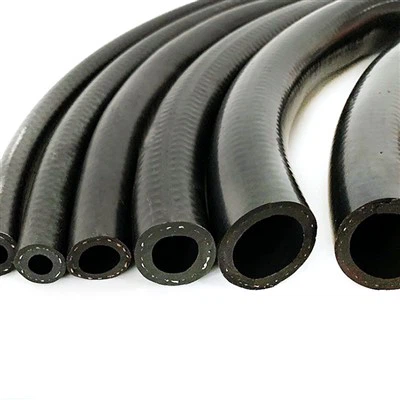
As an industrial hose supplier, we offer a wide range of radiation - resistant hoses. Our Air Hose 20 Bar is designed to handle high - pressure air in environments where radiation may be present. It is made from materials that can withstand radiation without significant degradation.
Our Sae J2196 Of Charging Hose is suitable for refrigerant transfer in radiation - prone areas. It has excellent chemical and radiation resistance, ensuring long - term performance.
The Rubber Hot Water Hose is another product in our portfolio. It can handle hot water in various industrial processes and is also designed to resist radiation.
When you're looking for radiation - resistant industrial hoses, there are a few factors to consider. First, you need to know the type and level of radiation in your environment. This will help you choose the right hose material and construction. Second, consider the operating conditions, such as temperature, pressure, and chemical exposure. These factors can also affect the performance of the hose.
We understand that every customer's needs are unique. That's why we offer customized solutions. Our team of experts can work with you to design and manufacture hoses that meet your specific requirements. Whether you need a small - scale hose for a laboratory or a large - scale hose for an industrial plant, we can provide the right product.
If you're in the market for radiation - resistant industrial hoses, don't hesitate to reach out. We're here to help you find the best solution for your needs. We have the experience, expertise, and products to ensure that your operations run smoothly and safely. Contact us today to start the conversation about your industrial hose requirements.
References
- "Radiation Effects on Polymers" - A scientific publication on the impact of radiation on polymer materials.
- "Industrial Hose Handbook" - A comprehensive guide on industrial hoses, including their properties and applications.