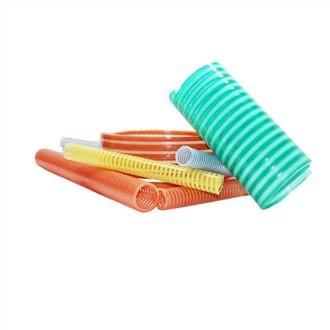
As a supplier of LPG hoses, one of the most frequently asked questions we receive is about the maximum pressure an LPG hose can withstand. This is a crucial aspect, as LPG, or liquefied petroleum gas, is a highly flammable and potentially dangerous substance. Understanding the pressure limits of LPG hoses is essential for ensuring safety in various applications, from residential cooking to industrial processes.
Understanding LPG and Pressure Basics
LPG is a mixture of propane and butane gases that are liquefied under pressure. It is commonly used as a fuel for heating, cooking, and in some vehicles. When stored in a container, LPG exists in a liquid state at a pressure that depends on the temperature and the type of gas mixture. For example, propane has a vapor pressure of around 137 - 207 psi (pounds per square inch) at 70°F (21°C), while butane has a lower vapor pressure.
The pressure in an LPG system is a dynamic factor. When the LPG is released from the storage container through a hose, the pressure can vary depending on factors such as the flow rate, the length and diameter of the hose, and any restrictions or valves in the system. Therefore, it is vital to select an LPG hose that can handle the maximum pressure that the system may experience.
Factors Affecting the Maximum Pressure of LPG Hoses
Hose Construction
The construction of an LPG hose plays a significant role in determining its pressure - handling capacity. Most LPG hoses are made of rubber or a combination of rubber and other materials. A well - constructed Rubber LPG Hose typically consists of an inner tube, reinforcement layers, and an outer cover.
The inner tube is in direct contact with the LPG and must be resistant to the chemical properties of the gas. It should also be able to maintain its integrity under pressure. Reinforcement layers, often made of braided or spiraled synthetic fibers or steel wires, provide the strength needed to withstand high pressures. The outer cover protects the inner components from environmental factors such as abrasion, sunlight, and chemicals.
Material Quality
The quality of the materials used in the hose is another critical factor. High - quality rubber compounds are more resistant to swelling, cracking, and degradation when exposed to LPG. Similarly, strong and durable reinforcement materials can better withstand the forces exerted by high pressure. Our Lpg Hose High Quality is made from premium materials that are carefully selected to ensure optimal performance and safety.
Hose Size
The size of the hose, including its diameter and wall thickness, affects its pressure - handling ability. Generally, hoses with a larger diameter can handle higher flow rates but may have different pressure ratings compared to smaller - diameter hoses. A thicker wall can also increase the hose's resistance to pressure. However, it is important to note that the size of the hose must be compatible with the overall LPG system to ensure proper flow and pressure regulation.


Industry Standards and Pressure Ratings
In the industry, there are specific standards and regulations that govern the design, manufacturing, and testing of LPG hoses. These standards ensure that hoses meet minimum safety requirements and can withstand the expected pressures. For example, in many countries, LPG hoses are required to be tested to a certain burst pressure, which is significantly higher than the normal operating pressure.
The burst pressure is the pressure at which the hose will fail catastrophically. A typical LPG hose may have a burst pressure that is 3 - 4 times higher than its maximum working pressure. The maximum working pressure is the highest pressure that the hose can safely handle during normal operation.
Most high - quality LPG hoses have a maximum working pressure rating ranging from 150 psi to 300 psi. However, this can vary depending on the specific design and application of the hose. For industrial applications where higher pressures may be encountered, specialized hoses with higher pressure ratings are available.
Testing and Certification
To ensure the safety and reliability of our LPG hoses, we subject them to rigorous testing procedures. These tests include pressure testing, where the hose is pressurized to a specified level for a certain period to check for leaks or failures. We also conduct chemical resistance tests to ensure that the hose materials are compatible with LPG.
Our hoses are certified to meet relevant industry standards, which gives our customers confidence in their performance. Certification is an important indication that the hose has been tested and meets the necessary safety and quality requirements.
Importance of Selecting the Right LPG Hose
Selecting an LPG hose with an appropriate maximum pressure rating is crucial for several reasons. Firstly, it ensures the safety of the users. A hose that cannot handle the pressure in the system may burst or leak, leading to a potentially dangerous situation, including fire or explosion.
Secondly, using the right hose can improve the efficiency of the LPG system. A hose that is properly sized and rated for the pressure will allow for smooth and consistent flow of the gas, reducing the risk of pressure drops or other operational issues.
Applications and Pressure Requirements
Residential Applications
In residential settings, LPG is commonly used for cooking and heating. The pressure requirements in these applications are relatively low compared to industrial ones. A typical residential LPG hose may have a maximum working pressure of around 150 psi. These hoses are usually smaller in diameter and are designed for easy installation and use in household appliances.
Industrial Applications
Industrial applications of LPG can involve much higher pressures. For example, in some manufacturing processes or in large - scale heating systems, the pressure in the LPG system may reach up to 300 psi or more. In these cases, Gas Hose Pipe with higher pressure ratings and more robust construction are required.
Maintenance and Inspection
Even with a high - quality LPG hose that can withstand the maximum pressure, proper maintenance and inspection are essential. Over time, the hose may be exposed to wear and tear, which can affect its pressure - handling capacity. Regular inspections should be carried out to check for signs of damage, such as cracks, bulges, or leaks.
It is also important to follow the manufacturer's guidelines for maintenance, including proper storage and handling of the hose. For example, hoses should be stored in a cool, dry place away from direct sunlight and chemicals.
Conclusion
In conclusion, the maximum pressure an LPG hose can withstand depends on various factors, including its construction, material quality, size, and industry standards. As a supplier of LPG hoses, we are committed to providing our customers with high - quality products that meet their specific pressure requirements.
Whether you are a homeowner looking for a reliable LPG hose for your kitchen or an industrial operator in need of a high - pressure hose for your manufacturing process, we have the right solution for you. Our hoses are designed and tested to ensure safety and performance in a wide range of applications.
If you are interested in purchasing LPG hoses or have any questions about their pressure ratings and applications, please feel free to contact us. We are here to assist you in selecting the best hose for your needs and to ensure a safe and efficient LPG system.
References
- "Liquefied Petroleum Gas (LPG) Safety Handbook" - Published by a recognized industry safety organization.
- Industry standards and regulations related to LPG hoses, such as those set by national and international standards bodies.
- Technical literature from hose manufacturers on the design and performance of LPG hoses.