Hey there! As a PVC pipe supplier, I often get asked a bunch of questions about our products. One question that pops up a lot is, "Are PVC pipes biodegradable?" It's a super important question, especially these days when everyone's thinking more about the environment. So, let's dive right in and break this down.
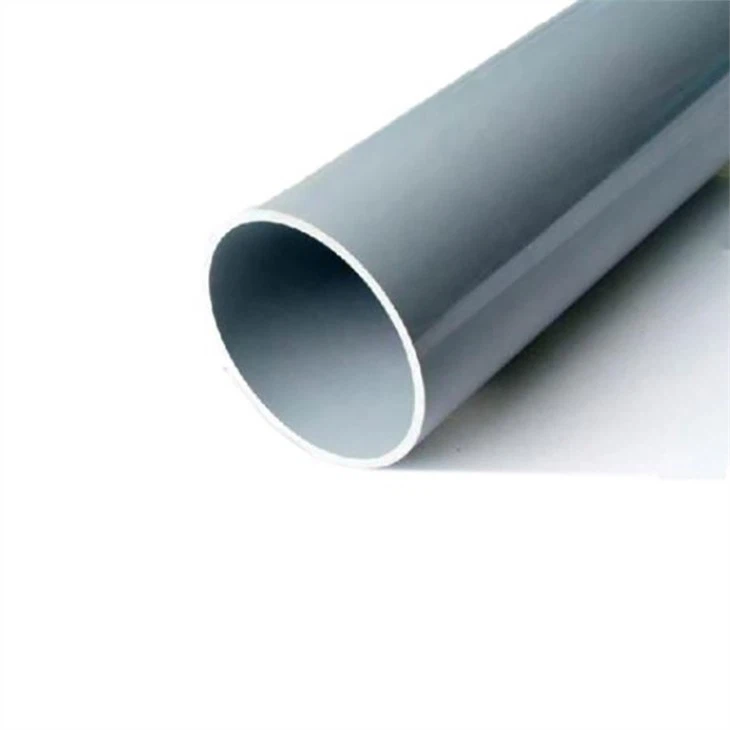

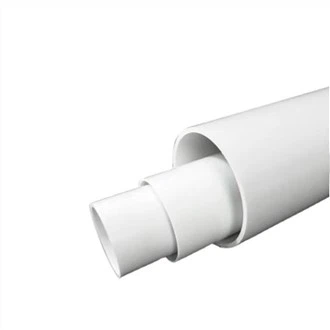
First off, let's talk a bit about what PVC is. PVC stands for polyvinyl chloride. It's a type of plastic that's been around for ages. You can find PVC pipes in all sorts of places - from plumbing systems in our homes to irrigation systems in farms. They're popular because they're strong, durable, and relatively inexpensive. For instance, our Pvc 1 Inch Water Pipe is a top - seller for small - scale plumbing jobs. And if you need something bigger, our 7 Inch Diameter Pvc Pipe and Plastic 10 Inch Diameter Pvc Pipe are great for larger projects.
Now, back to the big question: Are PVC pipes biodegradable? The short answer is no. PVC is a synthetic polymer, which means it's man - made. Unlike natural materials like wood or paper that can be broken down by microorganisms in the environment, PVC is extremely resistant to degradation.
You see, the chemical structure of PVC is what makes it so tough. It has long chains of carbon and chlorine atoms that are tightly bound together. These strong chemical bonds are really hard for bacteria, fungi, and other decomposers to break apart. In nature, biodegradation happens when microorganisms eat organic matter and turn it into simpler substances like water, carbon dioxide, and biomass. But since PVC isn't an organic material in the traditional sense, these microorganisms don't have the right enzymes to break it down.
Let's think about how long it takes for PVC to break down. If a PVC pipe ends up in a landfill, it can sit there for hundreds of years without significant degradation. That's a really long time! And as more and more PVC products are produced and discarded, this becomes a big environmental concern.
But it's not all bad news. Even though PVC pipes aren't biodegradable, they do have some environmental benefits. For one, they're very durable. A well - installed PVC pipe can last for decades, which means fewer replacements. This reduces the overall demand for new materials and the energy used in manufacturing new pipes.
Also, PVC is recyclable. When PVC pipes reach the end of their useful life, they can be collected and recycled into new products. Recycling PVC helps to reduce the amount of waste going to landfills and also conserves resources. However, the recycling process for PVC isn't as straightforward as it is for some other materials. It requires special equipment and processes to separate the PVC from other materials and to remove any contaminants.
Another thing to consider is the energy efficiency of PVC pipes. In plumbing systems, PVC pipes have smooth interiors, which means less friction for water flow. This can reduce the energy needed to pump water through the pipes, leading to lower energy consumption and fewer greenhouse gas emissions.
So, what does all this mean for us as a PVC pipe supplier? Well, we're aware of the environmental concerns associated with PVC. That's why we're committed to promoting the proper use and disposal of our products. We encourage our customers to recycle their old PVC pipes whenever possible. And we're also constantly looking for ways to improve the environmental performance of our products.
For example, we're researching new manufacturing processes that use less energy and produce fewer emissions. We're also exploring the use of additives and modifiers that could potentially make PVC more environmentally friendly without sacrificing its performance.
If you're in the market for PVC pipes, whether it's for a small DIY project or a large - scale construction job, we've got you covered. Our pipes are of the highest quality, and we offer a wide range of sizes and specifications to meet your needs. And if you have any questions about our products, our environmental policies, or anything else, don't hesitate to reach out. We're here to help you make the best choice for your project and for the environment.
In conclusion, while PVC pipes aren't biodegradable, they do have their place in the market because of their durability, recyclability, and energy - efficiency. As a responsible supplier, we're doing our part to minimize the environmental impact of our products. So, if you're thinking about using PVC pipes for your next project, give us a shout. We'd love to work with you and help you find the perfect solution.
References
- "Polyvinyl Chloride (PVC) - Properties, Uses, and Recycling." Journal of Plastic Materials.
- "Environmental Impact of PVC Products." Environmental Science Review.
- "Durability and Performance of PVC Pipes in Plumbing Systems." Plumbing Engineering Journal.