
What is the effect of pipes exhaust on the engine's compression ratio?
As a supplier of pipes exhaust, I've spent years delving into the intricate relationship between exhaust systems and engine performance. One of the most critical aspects that often comes under scrutiny is how pipes exhaust influence the engine's compression ratio. In this blog, we'll explore this topic in depth, shedding light on the science behind it and its practical implications.
Understanding the Basics: Compression Ratio and Exhaust Systems
Before we dive into the effects, let's first clarify what the compression ratio is. The compression ratio of an engine is the ratio of the volume of the combustion chamber from its largest capacity to its smallest capacity. It is a fundamental parameter that significantly affects engine performance, fuel efficiency, and emissions. A higher compression ratio generally means more power and better fuel economy, but it also requires higher - octane fuel to prevent knocking.
On the other hand, the exhaust system is responsible for removing the burned gases from the engine cylinders. It consists of several components, including the exhaust manifold, catalytic converter, muffler, and the exhaust pipes themselves. The design and characteristics of the exhaust pipes play a crucial role in determining how efficiently the exhaust gases are expelled from the engine.
How Exhaust Pipes Affect the Compression Ratio
- Backpressure and its Impact
Backpressure is the resistance that the exhaust gases encounter as they flow through the exhaust system. The size, length, and shape of the exhaust pipes directly influence backpressure. A well - designed exhaust pipe can balance the need for efficient scavenging (removing exhaust gases) and maintaining an appropriate level of backpressure.
If the exhaust pipes are too small in diameter, they will create excessive backpressure. This backpressure can prevent the exhaust gases from being fully expelled from the cylinders during the exhaust stroke. As a result, some of the exhaust gases remain in the cylinders, reducing the amount of fresh air - fuel mixture that can enter during the intake stroke. This effectively lowers the compression ratio because the volume of the fresh charge is reduced relative to the total volume of the combustion chamber.
Conversely, if the exhaust pipes are too large, the backpressure will be too low. While this may seem beneficial for scavenging, it can actually disrupt the scavenging process. A certain amount of backpressure is necessary to create a pressure wave that helps draw the exhaust gases out of the cylinders and pull in the fresh air - fuel mixture. Without sufficient backpressure, the scavenging effect is weakened, and again, the compression ratio can be negatively affected.
- Exhaust Pulse Tuning
Exhaust pulse tuning is a technique used to optimize the flow of exhaust gases by carefully designing the length and diameter of the exhaust pipes. When the exhaust valves open, a high - pressure pulse of exhaust gas is released. By tuning the exhaust pipes to a specific length, these pressure pulses can be timed to help scavenge the exhaust gases more effectively.
Proper exhaust pulse tuning can enhance the scavenging process, ensuring that more exhaust gases are removed from the cylinders. This allows a greater volume of fresh air - fuel mixture to enter the cylinders during the intake stroke, increasing the compression ratio. For example, in high - performance engines, engineers often use tuned exhaust pipes to maximize the compression ratio and thus improve power output.
- Heat Transfer and Density Changes
The exhaust pipes also play a role in heat transfer. As the hot exhaust gases flow through the pipes, they transfer heat to the surrounding environment. This heat transfer can affect the density of the exhaust gases. Cooler exhaust gases are denser, which can impact the scavenging process and the compression ratio.
If the exhaust pipes are made of materials with good heat - dissipating properties, they can help cool the exhaust gases more effectively. This can lead to a more efficient scavenging process as the denser exhaust gases are more easily expelled from the cylinders. As a result, more fresh air - fuel mixture can enter the cylinders, potentially increasing the compression ratio.
Practical Examples and Case Studies
Let's take a look at some real - world examples of how different exhaust pipe designs can affect the compression ratio.
-
Automotive Applications
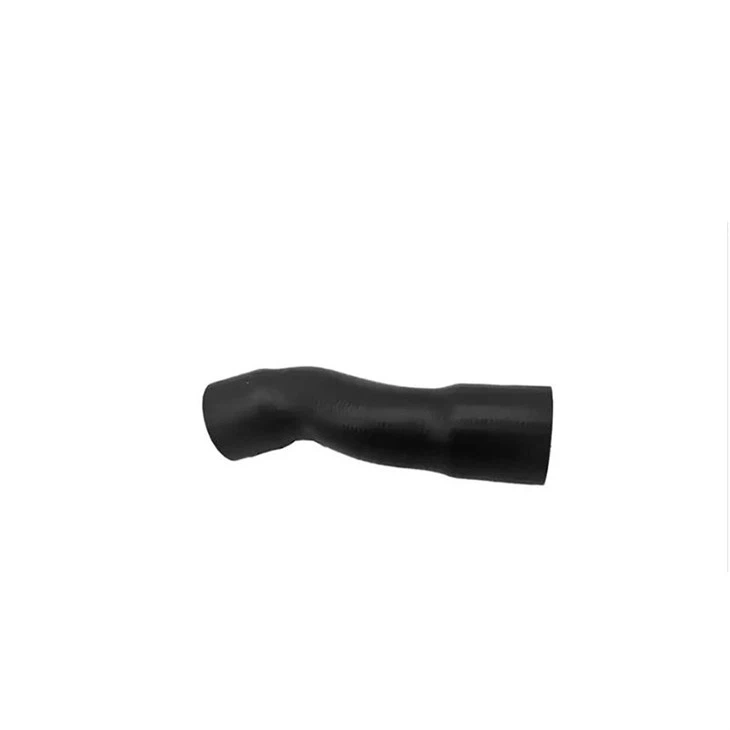
In modern cars, manufacturers are constantly striving to optimize the exhaust system to improve engine performance and fuel efficiency. For instance, For Porsche Macan 95b Water Tank Hose Exhaust Pipe is designed to provide a balance between backpressure and scavenging. Its carefully engineered diameter and length ensure that the exhaust gases are efficiently removed from the engine cylinders, allowing for a proper compression ratio and optimal engine performance. -
Motorcycle and Dirt Bike Applications
In the world of motorcycles and dirt bikes, the design of the exhaust pipes is crucial for performance. Dirt Bike Exhaust Pipe is often designed to enhance the scavenging effect and maintain an appropriate compression ratio. These pipes are typically shorter and have a different diameter compared to automotive exhaust pipes to suit the specific requirements of the motorcycle engine. By optimizing the exhaust pipe design, manufacturers can improve the power - to - weight ratio and overall performance of the bike. -
Dual Exhaust Systems
Dual exhaust systems, such as Car Dual Exhaust Pipe, are another example of how exhaust pipe design can impact the compression ratio. Dual exhaust systems can provide better scavenging and lower backpressure compared to single exhaust systems. This allows for a more efficient expulsion of exhaust gases, potentially increasing the compression ratio and improving engine power.
Implications for Engine Performance and Efficiency
The compression ratio has a direct impact on engine performance and efficiency. A higher compression ratio generally leads to more power output because the combustion process is more efficient. When the compression ratio is increased, the air - fuel mixture is compressed to a higher pressure, resulting in a more forceful explosion when ignited. This translates into more torque and horsepower.
In terms of fuel efficiency, a higher compression ratio can also lead to better mileage. A more efficient combustion process means that more of the energy in the fuel is converted into useful work, rather than being wasted as heat or unburned fuel. However, it's important to note that increasing the compression ratio also requires the use of higher - octane fuel to prevent knocking.
By understanding how exhaust pipes affect the compression ratio, engine designers and enthusiasts can make informed decisions about the exhaust system design. Whether it's for a high - performance sports car or a fuel - efficient commuter vehicle, the right exhaust pipe design can optimize the compression ratio and enhance overall engine performance.

Conclusion and Call to Action
In conclusion, the design and characteristics of the exhaust pipes have a significant impact on the engine's compression ratio. By carefully considering factors such as backpressure, exhaust pulse tuning, and heat transfer, we can design exhaust pipes that optimize the compression ratio and improve engine performance and efficiency.
As a supplier of high - quality pipes exhaust, we are committed to providing our customers with the best - in - class products that are designed to meet the specific needs of their engines. Whether you're a car enthusiast looking to upgrade your vehicle's exhaust system or an automotive manufacturer in need of reliable exhaust components, we have the expertise and products to help you achieve your goals.
If you're interested in learning more about our pipes exhaust products or would like to discuss a potential procurement, please don't hesitate to reach out. We look forward to working with you to enhance the performance of your engines.
References
- Heywood, J. B. (1988). Internal Combustion Engine Fundamentals. McGraw - Hill.
- Crolla, D. A. (2001). The Automotive Chassis: Engineering Principles. Society of Automotive Engineers.
- Taylor, C. F. (1966). The Internal - Combustion Engine in Theory and Practice. MIT Press.