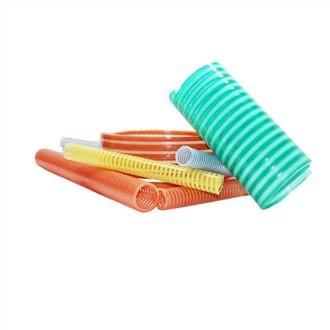
Hey there! As an industrial hose supplier, I often get asked if industrial hoses are resistant to abrasion. It's a valid question, especially considering the tough environments these hoses often operate in. In this blog, I'll share some insights on this topic based on my experience in the industry.
First off, let's understand what abrasion is and why it matters for industrial hoses. Abrasion is the process of wearing away a material's surface due to friction caused by contact with another object. In industrial settings, hoses can come into contact with all sorts of rough surfaces, sharp edges, and abrasive materials like gravel, sand, or metal chips. If a hose isn't resistant to abrasion, it can quickly develop holes, leaks, or weak spots, which can lead to costly downtime, safety hazards, and environmental issues.
So, are industrial hoses resistant to abrasion? The answer is, it depends. Not all industrial hoses are created equal when it comes to abrasion resistance. There are several factors that determine how well a hose can withstand abrasion, including the type of material it's made from, its construction, and the specific application it's used for.
Material Matters
The material of the hose plays a huge role in its abrasion resistance. Some materials are naturally more resistant to abrasion than others.
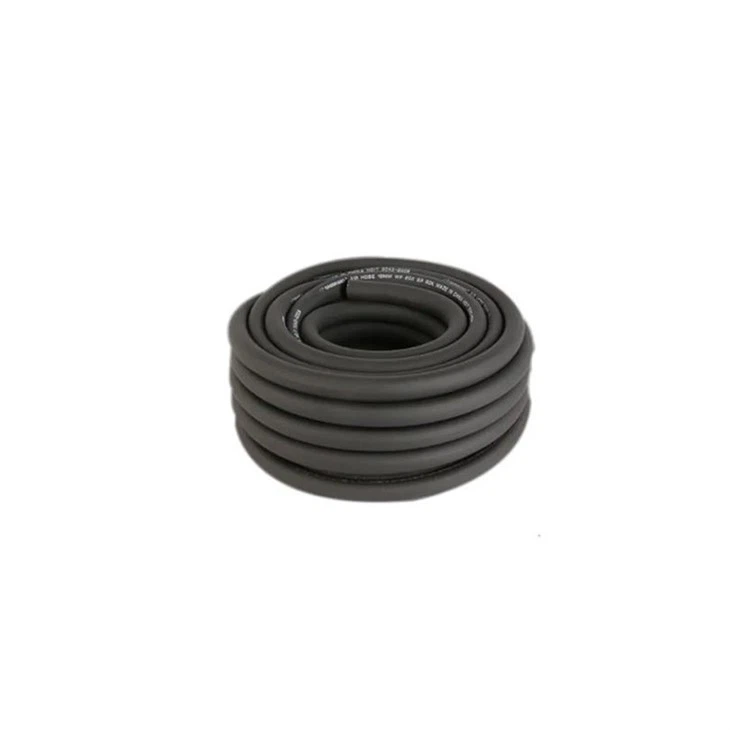
- Rubber Hoses: Rubber is a common material for industrial hoses. There are different types of rubber, each with its own properties. For example, nitrile rubber is known for its good resistance to oil and fuel, but it also offers decent abrasion resistance. Our 4'' Black Nitrile Hose is a great example. It's made from high - quality nitrile rubber, which can handle a fair amount of wear and tear in industrial environments where it might come into contact with some abrasive substances.
- Thermoplastic Hoses: Thermoplastic materials are also used in hose manufacturing. They are often lightweight and flexible. Some thermoplastics, like polyurethane, have excellent abrasion resistance. Polyurethane hoses can be a great choice for applications where the hose needs to be dragged across rough surfaces or where it's exposed to abrasive particles.
Construction and Design
The way a hose is constructed can also impact its abrasion resistance.
- Reinforcement Layers: Many industrial hoses have reinforcement layers, such as braided or spiral - wound fibers. These layers not only add strength to the hose but can also contribute to its abrasion resistance. For example, a hose with multiple layers of high - strength synthetic fibers can better withstand the forces of abrasion. When the outer layer starts to wear, the inner reinforcement layers can still hold the hose together and prevent it from failing completely.
- Thickness of the Outer Layer: A thicker outer layer generally means better abrasion resistance. However, this also needs to be balanced with other factors like flexibility and weight. Hoses with a thick, durable outer layer are more likely to last longer in abrasive environments.
Application - Specific Considerations
The application where the hose is used is a crucial factor. Different industries and tasks have different abrasion requirements.
- Mining and Construction: In mining and construction, hoses are often exposed to extremely abrasive conditions. They might be used to transfer materials like gravel, sand, or slurry. In these cases, hoses need to have high - level abrasion resistance. For example, hoses used in sandblasting operations need to be able to withstand the constant flow of abrasive sand particles.
- Automotive and Fuel Transfer: In the automotive industry, hoses are used for fuel transfer. While the main concern here might be resistance to fuel, abrasion resistance is also important. Our High Pressure Fuel Hose and Fuel Hose Gasoline need to be able to handle some movement and possible contact with engine components or other parts of the vehicle without getting damaged easily.
Testing Abrasion Resistance
Manufacturers use various tests to determine the abrasion resistance of hoses. One common test is the Taber abrasion test. In this test, a sample of the hose material is rubbed against an abrasive wheel under a specific load for a set number of revolutions. The amount of material lost is then measured, and this gives an indication of how well the material resists abrasion.

However, it's important to note that laboratory tests might not fully represent real - world conditions. In actual industrial applications, hoses can be exposed to a wide range of abrasive materials, different levels of pressure, and varying temperatures. So, while test results are a good starting point, real - world performance is what really matters.
Tips for Maximizing Abrasion Resistance
If you're using industrial hoses in abrasive environments, here are some tips to make them last longer:
- Proper Installation: Make sure the hose is installed correctly. Avoid sharp bends or kinks, as these can weaken the hose and make it more prone to abrasion.
- Use Protective Covers: There are protective covers available that can be wrapped around the hose to provide an extra layer of protection against abrasion.
- Regular Inspection: Check the hoses regularly for signs of wear. If you notice any damage early, you can replace the hose before it fails completely.
In conclusion, industrial hoses can be resistant to abrasion, but it all boils down to the right choice of material, construction, and proper usage. As an industrial hose supplier, I'm here to help you find the best hose for your specific needs. Whether you're in the mining, automotive, or any other industry, we have a wide range of hoses with different levels of abrasion resistance.
If you're looking for high - quality industrial hoses that can stand up to abrasion, feel free to reach out. We can discuss your application in detail and recommend the most suitable hoses for you. Let's work together to ensure your operations run smoothly and safely.
References
- ASTM International. (Year). Standard test methods for abrasion resistance of plastics by means of a rotating cylindrical drum device. ASTM D4060.
- Hose Manufacturers Institute. (Year). Technical guidelines for industrial hose selection and use.