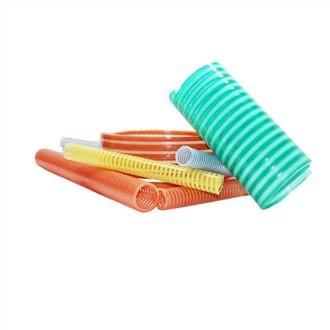
Hey there! As an industrial hose supplier, I've seen firsthand the importance of safety when it comes to using these hoses. Industrial hoses are used in a wide range of applications, from transferring chemicals and fuels to handling high-pressure fluids. That's why it's crucial to take the right safety precautions to prevent accidents and ensure smooth operations. In this blog, I'll share some key safety tips to keep in mind when using industrial hoses.
1. Inspection Before Use
Before you start using any industrial hose, it's essential to give it a thorough inspection. Look for any visible signs of damage, such as cuts, abrasions, bulges, or leaks. A damaged hose can pose a significant safety risk, as it may burst under pressure or allow hazardous substances to leak out.
Check the fittings as well. Make sure they are securely attached to the hose and that there are no signs of corrosion or wear. Loose or damaged fittings can cause the hose to disconnect during use, leading to spills or other accidents.
If you find any issues during the inspection, don't use the hose. Replace it with a new one immediately. Remember, it's better to be safe than sorry.
2. Proper Installation
Proper installation is key to ensuring the safe and effective use of industrial hoses. When installing a hose, follow the manufacturer's instructions carefully. Make sure the hose is the right size and type for the application. Using the wrong hose can lead to problems such as excessive pressure, leaks, or premature failure.
When connecting the hose to the equipment, use the correct fittings and make sure they are tightened properly. Avoid over-tightening, as this can damage the hose or the fittings. Also, make sure the hose is routed correctly, away from sharp edges, hot surfaces, and moving parts. This will help prevent abrasion and damage to the hose.
3. Operating within Limits
Every industrial hose has its own set of operating limits, including maximum pressure, temperature, and flow rate. It's important to operate the hose within these limits to prevent failure and ensure safety.
Exceeding the maximum pressure can cause the hose to burst, while operating at a temperature outside the recommended range can weaken the hose material and lead to leaks. Similarly, exceeding the maximum flow rate can cause excessive wear and tear on the hose.
Before using a hose, make sure you know its operating limits and make sure the equipment is set up to operate within those limits. If you're not sure, consult the manufacturer or a qualified professional.
4. Handling and Storage
Proper handling and storage of industrial hoses can also help extend their lifespan and prevent accidents. When handling a hose, avoid dragging it on the ground or pulling it sharply. This can cause abrasion and damage to the hose. Instead, lift the hose carefully and carry it by the middle to distribute the weight evenly.
When storing a hose, make sure it's clean and dry. Store it in a cool, dry place away from direct sunlight, heat, and chemicals. Avoid coiling the hose too tightly, as this can cause kinking and damage to the hose. Instead, coil the hose loosely and secure it with a tie or a strap.
5. Training and Education
Finally, it's important to provide proper training and education to anyone who will be using industrial hoses. Make sure they understand the safety precautions and procedures involved in using the hoses. This includes how to inspect, install, operate, and maintain the hoses.
Training should also cover how to handle emergencies, such as leaks or spills. Make sure everyone knows what to do in case of an emergency and has access to the necessary safety equipment, such as gloves, goggles, and spill kits.
Specific Considerations for Different Types of Hoses
Different types of industrial hoses have different safety considerations. Here are some specific tips for a few common types of hoses:
Chemical Hoses
When using chemical hoses, it's important to choose a hose that is compatible with the chemical being transferred. Different chemicals can react with different hose materials, so it's important to use a hose that is specifically designed for the chemical.
Wear appropriate personal protective equipment (PPE), such as gloves, goggles, and a respirator, when handling chemicals. Also, make sure the area is well-ventilated to prevent the buildup of fumes.
Fuel Hoses
Fuel hoses, such as the High Pressure Fuel Hose and Fuel Hose Gasoline, require special attention due to the flammable nature of the fuel. Make sure the hose is rated for the type of fuel being transferred and that it is installed in a way that prevents leaks.
Avoid smoking or using open flames near fuel hoses. Also, make sure the area is well-ventilated to prevent the buildup of fuel vapors.

High-Pressure Hoses
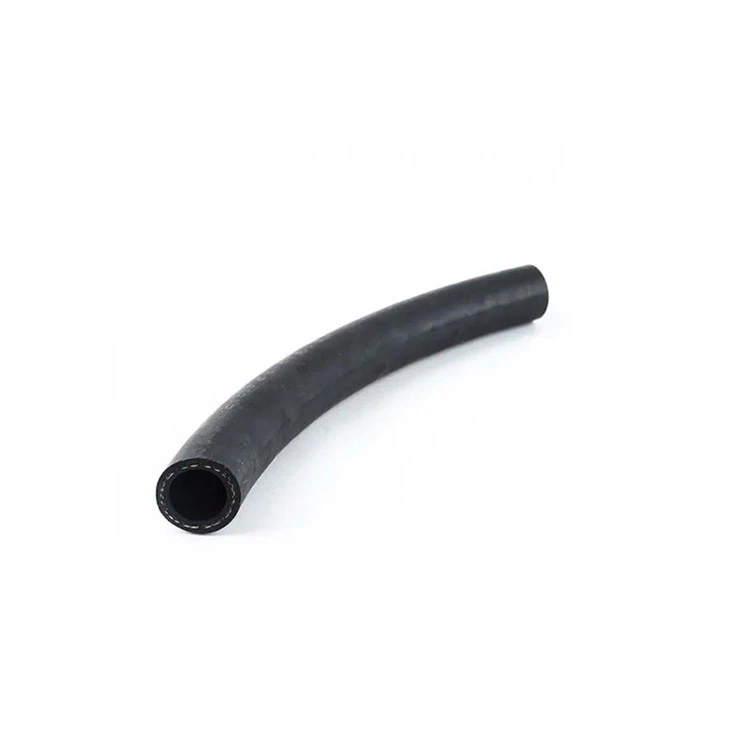
High-pressure hoses, such as those used in hydraulic systems, can be extremely dangerous if not used properly. Make sure the hose is rated for the pressure of the system and that it is installed correctly.
When working with high-pressure hoses, wear appropriate PPE, such as safety glasses and gloves. Also, make sure the area is clear of people and equipment in case the hose fails.
Conclusion
Using industrial hoses safely is essential for preventing accidents and ensuring the smooth operation of your business. By following these safety precautions, you can minimize the risk of failure and keep your employees and equipment safe.
If you're in the market for industrial hoses, we offer a wide range of high-quality hoses, including the 4'' Black Nitrile Hose. Our hoses are designed to meet the highest standards of safety and performance. If you have any questions or need help choosing the right hose for your application, don't hesitate to contact us. We're here to help you find the best solution for your needs.
References
- Manufacturer's instructions for industrial hoses
- Occupational Safety and Health Administration (OSHA) guidelines for hose safety
- Industry standards and best practices for hose installation and use