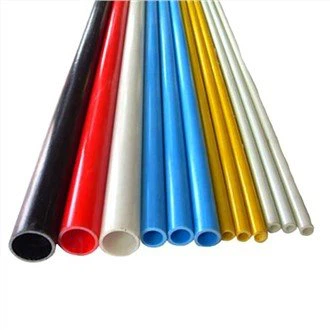
LPG (liquefied petroleum gas) hoses are crucial components in various applications, from residential cooking to industrial processes. As an LPG hose supplier, I've witnessed firsthand the importance of these hoses and the problems that can arise when they fail. In this blog, I'll explore the common causes of LPG hose failure, which will help users understand how to prevent such issues and ensure the safety and efficiency of their LPG systems.
1. Age and Wear
One of the most common causes of LPG hose failure is simply the passage of time. Like all rubber or synthetic hoses, LPG hoses degrade over time due to continuous exposure to various environmental factors. The materials used in these hoses gradually lose their elasticity and strength, making them more prone to cracking, leaks, and other forms of damage.
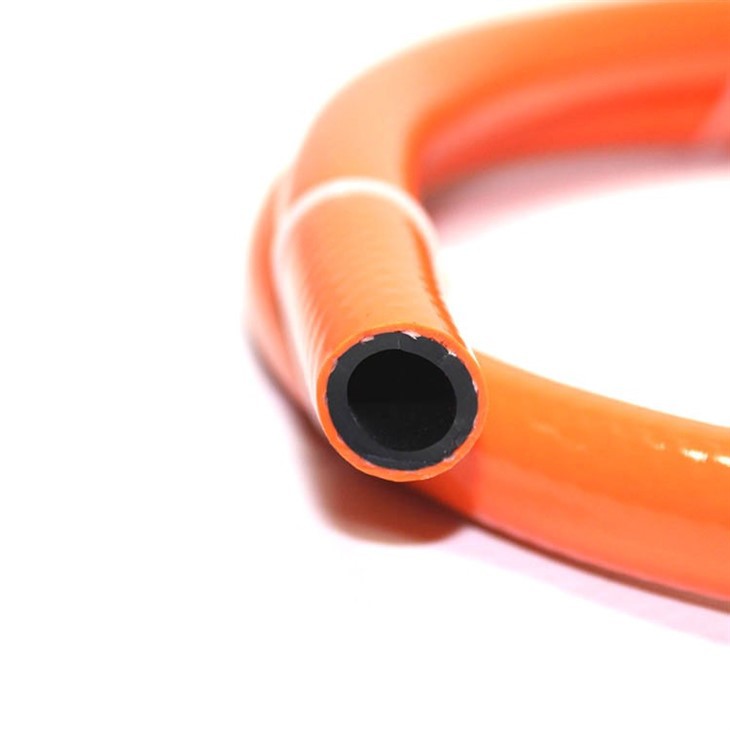

For example, in a residential setting, a Cooking Gas Hose that has been in use for several years may start to show signs of wear. The outer layer of the hose may become brittle and develop small cracks, which can eventually lead to gas leakage. In industrial applications, where hoses are often subjected to more rigorous use, the wear and tear can occur even more rapidly.
To prevent age - related failure, it's essential to follow the manufacturer's recommended replacement intervals. Regular visual inspections can also help identify early signs of wear, such as discoloration, cracking, or softening of the hose material.
2. Environmental Factors
The environment in which an LPG hose operates can have a significant impact on its lifespan. Exposure to extreme temperatures, sunlight, ozone, and chemicals can all contribute to hose deterioration.
Temperature Extremes: LPG hoses are designed to operate within a specific temperature range. In very cold weather, the rubber or synthetic materials in the hose can become rigid and brittle, increasing the risk of cracking. On the other hand, high temperatures can cause the hose to expand and lose its shape, leading to leaks at the connections. For instance, in regions with harsh winters, outdoor LPG Propane Tank Hoses may be more vulnerable to cold - related damage.
Sunlight and Ozone: Ultraviolet (UV) radiation from the sun and ozone in the atmosphere can break down the chemical structure of the hose material. Prolonged exposure to sunlight can cause the outer layer of the hose to fade, crack, and become less flexible. Ozone, which is often present in urban areas or near electrical equipment, can also accelerate the aging process of the hose.
Chemical Exposure: Contact with certain chemicals can cause the hose material to swell, dissolve, or lose its integrity. For example, if an LPG hose comes into contact with oil, grease, or solvents, it can damage the internal and external surfaces of the hose. In industrial settings where there are often more chemicals present, extra care must be taken to protect the hoses.
To mitigate the effects of environmental factors, hoses should be properly installed in a protected area, away from direct sunlight, extreme temperatures, and chemical sources. Using UV - resistant and ozone - resistant hoses can also help extend their lifespan.
3. Mechanical Damage
Mechanical damage is another major culprit in LPG hose failure. Hoses can be damaged by a variety of mechanical forces, such as kinking, abrasion, and improper handling.
Kinking: When an LPG hose is bent or twisted sharply, it can create a kink. Kinks restrict the flow of gas, increase pressure within the hose, and can cause the material to weaken over time. If a kink occurs repeatedly in the same area, it can lead to a rupture or a leak. For example, a user may accidentally kink a Lpg/propane Gas Hose while trying to move a gas appliance or propane tank.
Abrasion: Friction against rough surfaces can wear down the outer layer of the hose. In industrial environments, hoses may rub against machinery, floors, or other equipment, causing abrasion. Even in a home setting, a hose may be dragged across a rough floor or caught on a sharp edge, leading to damage.
Improper Handling: Mishandling during installation, maintenance, or transportation can also cause damage to LPG hoses. For instance, using the wrong tools to tighten the hose connections can over - tighten or damage the fittings, leading to leaks. Rough handling during transportation can cause the hose to be bent, crushed, or otherwise damaged.
To prevent mechanical damage, hoses should be installed and routed properly to avoid kinking. Protective covers or sleeving can be used to prevent abrasion, and users should follow proper handling procedures, including using the correct tools for tightening and loosening connections.
4. Poor Quality Materials
The quality of the materials used in the manufacturing of LPG hoses is a critical factor in their performance and durability. Low - quality hoses may be made from substandard rubber or synthetic materials that are not resistant to the harsh conditions of LPG use.
Hoses made from inferior materials may have poor chemical resistance, making them more likely to break down when exposed to LPG or other chemicals. They may also have lower strength and elasticity, which increases the risk of cracking and leaking. Additionally, poor - quality fittings can lead to loose connections and gas leaks.
As an LPG hose supplier, we ensure that all our hoses are made from high - quality materials that meet strict industry standards. This includes using rubber compounds that are specifically formulated for LPG use, as well as high - quality brass or stainless - steel fittings.
5. Incorrect Installation
Correct installation is essential for the proper functioning and safety of LPG hoses. Incorrect installation can lead to a variety of problems, including leaks, reduced flow, and premature failure.
One common installation error is improper tightening of the hose connections. If the connections are not tightened enough, there may be a gas leak. On the other hand, over - tightening can damage the fittings or the hose itself, leading to a weakened seal.
Another issue is incorrect routing of the hose. Hoses should be installed in a way that allows for proper flexibility and avoids sharp bends or kinks. If a hose is installed in a confined space or routed around sharp edges, it can increase the risk of mechanical damage.
To ensure proper installation, it's recommended that users follow the manufacturer's installation instructions carefully. In some cases, it may be necessary to have a professional install the LPG hose to guarantee safety and compliance.
Preventing LPG Hose Failure
Preventing LPG hose failure requires a combination of proper maintenance, correct installation, and the use of high - quality hoses. Here are some key steps to take:
- Regular Inspections: Conduct visual inspections of the hoses regularly to check for signs of wear, damage, or leaks. Look for cracks, discoloration, soft spots, or any other abnormalities.
- Proper Storage: When not in use, store LPG hoses in a cool, dry place away from sunlight and chemicals.
- Follow Replacement Intervals: Replace hoses according to the manufacturer's recommended schedule, even if they appear to be in good condition.
- Use High - Quality Hoses: Invest in high - quality LPG hoses that are made from durable materials and meet industry standards.
Conclusion
As an LPG hose supplier, I understand the importance of ensuring the reliability and safety of our products. By being aware of the common causes of LPG hose failure, users can take proactive steps to prevent these issues and ensure the smooth operation of their LPG systems. Whether you're using a Cooking Gas Hose in your kitchen or an LPG Propane Tank Hose in an industrial setting, proper maintenance and installation are key.
If you're in the market for high - quality LPG hoses, we're here to help. Our extensive range of Lpg/propane Gas Hoses is designed to meet your specific needs and provide reliable performance. Contact us to discuss your requirements and start a procurement negotiation today.
References
- American Petroleum Institute. API Standards Related to LPG Equipment.
- Hose Manufacturers Institute. Best Practices for LPG Hose Installation and Maintenance.
- National Fire Protection Association. NFPA Codes for LPG Safety.