As a PVC pipe supplier with years of experience in the industry, I've often been asked whether PVC pipes are suitable for high - rise buildings. This is a crucial question considering the unique demands and challenges that high - rise structures present. In this blog, we'll delve into the various aspects of using PVC pipes in high - rise buildings, weighing the pros and cons to help you make an informed decision.
Advantages of Using PVC Pipes in High - Rise Buildings
Cost - Effectiveness
One of the most significant advantages of PVC pipes is their cost - effectiveness. Compared to other materials such as copper or stainless steel, PVC pipes are much more affordable. In high - rise buildings, where large quantities of piping are required for plumbing, drainage, and ventilation systems, the cost savings can be substantial. This allows building developers and contractors to allocate their budgets more efficiently without sacrificing the quality of the piping system.
Lightweight
PVC pipes are extremely lightweight. This characteristic makes them easy to handle, transport, and install, which is a major advantage in high - rise construction projects. In high - rise buildings, the weight of the building materials is a critical consideration. Using lightweight PVC pipes reduces the overall load on the building's structure, which can lead to cost savings in the foundation and structural design. Additionally, the ease of installation means that construction time can be significantly reduced, leading to earlier project completion.
Corrosion Resistance
PVC pipes are highly resistant to corrosion. In high - rise buildings, the plumbing and drainage systems are exposed to various chemicals and environmental factors that can cause corrosion in metal pipes. Corrosion can lead to leaks, reduced water flow, and even structural damage over time. PVC pipes, on the other hand, can withstand the effects of chemicals, moisture, and soil conditions without corroding. This ensures the long - term durability and reliability of the piping system in high - rise buildings.
Smooth Interior Surface
PVC pipes have a smooth interior surface, which reduces friction and allows for better water flow. In high - rise buildings, where water needs to be transported over long distances and to different floors, efficient water flow is essential. The smooth surface of PVC pipes minimizes pressure loss, ensuring that water reaches all parts of the building with adequate pressure. This is particularly important for applications such as firefighting systems, where high - pressure water flow is required.


Disadvantages of Using PVC Pipes in High - Rise Buildings
Temperature Limitations
One of the main drawbacks of PVC pipes is their limited temperature resistance. PVC pipes are not suitable for high - temperature applications. In high - rise buildings, hot water systems may require pipes that can withstand higher temperatures. If PVC pipes are used in hot water systems, they may warp, deform, or even melt, leading to leaks and system failures. Therefore, for hot water applications in high - rise buildings, alternative materials such as cross - linked polyethylene (PEX) or copper may be more appropriate.
Fire Resistance
PVC pipes are flammable, which is a significant concern in high - rise buildings. In the event of a fire, PVC pipes can contribute to the spread of flames and release toxic gases. To address this issue, fire - rated PVC pipes are available on the market. These pipes are treated with fire - retardant chemicals to reduce their flammability and limit the spread of fire. However, it's important to ensure that the fire - rated PVC pipes meet the relevant safety standards and regulations for high - rise buildings.
Structural Integrity under High Pressure
In high - rise buildings, the plumbing and drainage systems are subject to high pressures, especially on the lower floors. PVC pipes may have limitations in terms of their structural integrity under high pressure. If the pressure exceeds the pipe's rated capacity, it can lead to pipe bursts and leaks. Therefore, it's crucial to carefully select PVC pipes with the appropriate pressure rating for high - rise applications. Additionally, proper support and installation techniques are essential to ensure the long - term performance of the PVC pipes under high pressure.
Applications of PVC Pipes in High - Rise Buildings
Drainage Systems
PVC pipes are widely used in high - rise building drainage systems. Their corrosion resistance, smooth interior surface, and cost - effectiveness make them an ideal choice for transporting wastewater and stormwater. For example, the 110mm Sn4 Sn8 Underground Rain Drainage Upvc Pipe is specifically designed for underground rain drainage applications in high - rise buildings. It can effectively collect and discharge rainwater, preventing waterlogging and damage to the building's foundation.
Ventilation Systems
PVC pipes are also commonly used in high - rise building ventilation systems. They can be used to transport air in and out of the building, providing fresh air and removing stale air. The lightweight and easy - to - install nature of PVC pipes make them a popular choice for ventilation ductwork. The smooth interior surface of PVC pipes also helps to reduce air resistance, improving the efficiency of the ventilation system.
Cold Water Supply Systems
For cold water supply systems in high - rise buildings, PVC pipes are often a suitable option. Their corrosion resistance and efficient water flow characteristics ensure a reliable and long - lasting cold water supply. However, it's important to note that for hot water supply, as mentioned earlier, alternative materials may be necessary due to PVC's temperature limitations.
Considerations for Choosing PVC Pipes in High - Rise Buildings
Quality and Standards
When selecting PVC pipes for high - rise buildings, it's crucial to choose products that meet the relevant quality and safety standards. Look for pipes that are certified by recognized organizations such as ASTM International or the International Organization for Standardization (ISO). These standards ensure that the pipes are manufactured to a high quality and can meet the specific requirements of high - rise building applications.
Supplier Reputation
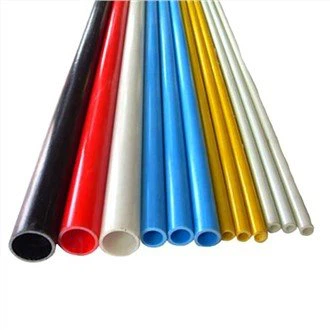
As a PVC pipe supplier, I understand the importance of reputation. Working with a reputable supplier is essential to ensure that you receive high - quality products and reliable customer support. A good supplier will have a wide range of PVC pipe products, including Hard Colored Pvc Pipes and Hard 48 Inch Diameter Pvc Pipe, to meet your specific needs. They will also be able to provide technical advice and assistance throughout the project.
Installation and Maintenance
Proper installation and maintenance are key to the performance of PVC pipes in high - rise buildings. Ensure that the installation is carried out by qualified professionals who follow the manufacturer's instructions and local building codes. Regular maintenance, such as inspections and leak detection, can help to identify and address any potential issues before they become major problems.
Conclusion: Are PVC Pipes Suitable for High - Rise Buildings?
In conclusion, PVC pipes can be a suitable choice for high - rise buildings, but their use must be carefully considered based on the specific requirements of the project. The cost - effectiveness, lightweight, corrosion resistance, and smooth interior surface of PVC pipes make them a popular option for many applications, such as drainage and ventilation systems. However, their limitations in terms of temperature resistance, fire resistance, and structural integrity under high pressure must be taken into account.
If you're a building developer, contractor, or architect considering using PVC pipes in a high - rise building project, I encourage you to reach out to discuss your specific needs. We can provide you with detailed information about our PVC pipe products, including their specifications, performance, and suitability for your project. By working together, we can ensure that you select the right PVC pipes for your high - rise building, providing a reliable and cost - effective piping solution.
References
- ASTM International. (20XX). Standards for PVC pipes.
- International Organization for Standardization (ISO). (20XX). ISO standards for plastic pipes.
- Building codes and regulations for high - rise buildings in [specific region].