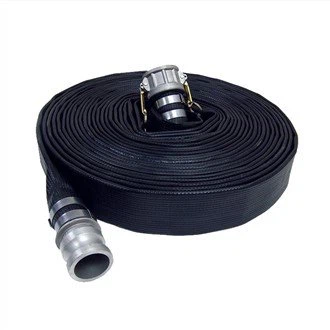
Over the years, as a supplier of plastic hoses, I've received numerous inquiries from customers regarding the durability and long - term performance of plastic hoses. One question that frequently comes up is: "Do plastic hoses become brittle over time?" This blog post aims to comprehensively explore this question, delving into the factors that contribute to brittleness, the types of plastic hoses more prone to it, and how to mitigate the issue.
Understanding Plastic Hose Composition
Plastic hoses are made from a variety of polymers, each with its own set of properties. Common materials include PVC (Polyvinyl Chloride), PE (Polyethylene), and EPDM (Ethylene Propylene Diene Monomer). PVC hoses are known for their affordability and versatility, often used in applications such as gardening and light - industrial use. PE hoses, on the other hand, are more flexible and resistant to chemicals, making them suitable for agricultural and water - transfer applications. EPDM hoses are highly durable and can withstand extreme temperatures, commonly used in automotive and industrial settings.
The chemical structure of these polymers plays a crucial role in determining how they age. Polymers are long - chain molecules, and their stability over time is influenced by factors such as molecular weight, cross - linking, and the presence of additives.
Factors Contributing to Brittleness
Environmental Exposure
- UV Radiation: One of the most significant factors that can cause plastic hoses to become brittle is exposure to ultraviolet (UV) radiation from the sun. UV rays can break down the polymer chains in the plastic, leading to a loss of flexibility and strength. For example, a PVC hose left outdoors for an extended period will gradually start to show signs of discoloration and cracking due to UV degradation. To protect against UV damage, some plastic hoses are treated with UV stabilizers during the manufacturing process.
- Temperature Fluctuations: Extreme temperatures can also have a negative impact on plastic hoses. In cold weather, the polymer chains in the plastic become more rigid, reducing the hose's flexibility. Repeated cycles of freezing and thawing can cause micro - cracks to form, which can eventually lead to the hose becoming brittle and breaking. On the other hand, high temperatures can cause the plastic to soften and lose its shape, and over time, this can also contribute to degradation.
- Chemical Exposure: Exposure to certain chemicals can cause plastic hoses to become brittle. For instance, solvents, oils, and acids can react with the polymer chains, breaking them down and weakening the structure of the hose. This is particularly important in industrial settings where hoses may come into contact with a wide range of chemicals.
Age and Usage
- Time: Simply put, as plastic hoses age, they are more likely to become brittle. Over time, the polymer chains in the plastic can gradually break down due to natural oxidation processes. Even under normal conditions, the chemical bonds in the plastic will slowly degrade, leading to a loss of mechanical properties.
- Mechanical Stress: Frequent bending, twisting, and kinking of the hose can also contribute to brittleness. These mechanical stresses can cause micro - cracks to form in the plastic, which can then propagate over time, eventually leading to failure.
Types of Plastic Hoses Prone to Brittleness
PVC Hoses
PVC hoses are widely used due to their low cost and versatility, but they are also more prone to brittleness compared to some other types of plastic hoses. PVC is a relatively rigid polymer, and over time, it can lose its flexibility, especially when exposed to UV radiation and extreme temperatures. However, with proper additives and maintenance, the lifespan of PVC hoses can be extended.


Some PE Hoses
While PE hoses are generally more flexible and durable than PVC hoses, certain types of PE hoses, especially those with a lower density, can become brittle over time. Low - density polyethylene (LDPE) hoses may be more susceptible to environmental factors such as UV radiation and chemical exposure, which can cause them to lose their flexibility and become brittle.
Mitigating Brittleness
Proper Storage
- When not in use, plastic hoses should be stored in a cool, dry place away from direct sunlight. This can significantly slow down the aging process and reduce the risk of brittleness. For example, storing hoses in a garage or shed can protect them from UV radiation and extreme temperature fluctuations.
- Hoses should also be stored in a way that avoids excessive bending or kinking. Coiling the hose loosely and hanging it on a hook is a good way to prevent mechanical stress.
Regular Inspection
- Regularly inspecting plastic hoses for signs of damage, such as cracks, discoloration, or loss of flexibility, is essential. Catching these issues early can allow for timely replacement of the hose, preventing more serious problems from occurring.
- If a hose shows signs of minor damage, such as a small crack, it may be possible to repair it using a suitable adhesive or patch. However, if the damage is extensive, it is usually best to replace the hose.
Use of High - Quality Hoses
Investing in high - quality plastic hoses can make a significant difference in their long - term performance. High - quality hoses are often made with better - quality polymers and additives, which can provide better resistance to environmental factors and mechanical stress. For example, HDPE 4 Inch Irrigation Pipe is made from high - density polyethylene, which offers excellent durability and resistance to brittleness. Similarly, 12 Inch Lay Flat Hose and PE Watering Hose With Holes are designed to withstand various environmental conditions and have a longer lifespan.
Conclusion
In conclusion, plastic hoses can indeed become brittle over time, but this process can be influenced by a variety of factors, including environmental exposure, age, and usage. By understanding these factors and taking appropriate measures to mitigate them, such as proper storage, regular inspection, and the use of high - quality hoses, the lifespan of plastic hoses can be significantly extended.
As a plastic hose supplier, we are committed to providing our customers with high - quality products that are designed to withstand the test of time. If you have any questions about our plastic hoses or need advice on how to choose the right hose for your application, please feel free to contact us for procurement and further discussion.
References
- "Polymer Science and Technology" by James Mark
- "Handbook of Plastic Materials and Technology" edited by Irvin Rubin