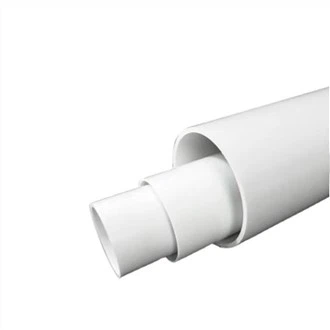
When it comes to setting up a water softening system, one of the key considerations is the choice of pipes. Among the various options available, PVC pipes have emerged as a popular choice for many homeowners and professionals alike. As a PVC pipe supplier, I often get asked whether PVC pipes can be used for a water softening system. In this blog post, I'll delve into this topic, exploring the suitability of PVC pipes for water softening systems, their advantages, potential drawbacks, and more.
Understanding Water Softening Systems
Before we discuss the use of PVC pipes in water softening systems, let's briefly understand how these systems work. Water softeners are designed to remove minerals such as calcium and magnesium from hard water. This is typically achieved through a process called ion exchange, where the hard minerals are replaced with sodium or potassium ions. The system consists of a resin tank filled with ion exchange resin beads, a brine tank for regenerating the resin, and a control valve to manage the flow of water.
Advantages of Using PVC Pipes in Water Softening Systems
- Corrosion Resistance: PVC pipes are highly resistant to corrosion, which is a significant advantage in a water softening system. The water passing through the system may contain chemicals used in the softening process, and PVC pipes can withstand these chemicals without deteriorating. This ensures a long lifespan for the pipes and reduces the risk of leaks or contamination.
- Cost-Effective: PVC pipes are generally more affordable than other types of pipes, such as copper or stainless steel. This makes them an attractive option for those on a budget. As a PVC pipe supplier, I can attest to the cost savings that customers can achieve by choosing PVC pipes for their water softening systems.
- Easy Installation: PVC pipes are lightweight and easy to cut and connect. They can be installed using simple tools, which reduces labor costs and installation time. Whether you're a DIY enthusiast or a professional plumber, working with PVC pipes is a straightforward process.
- Smooth Interior Surface: PVC pipes have a smooth interior surface, which allows for efficient water flow. This is important in a water softening system, as it ensures that the water can pass through the system without any restrictions. The smooth surface also reduces the likelihood of sediment buildup, which can affect the performance of the system.
- Versatility: PVC pipes come in a variety of sizes and configurations, making them suitable for different types of water softening systems. Whether you need a small-diameter pipe for a residential system or a large-diameter pipe for a commercial application, you can find the right PVC pipe for your needs. For example, we offer Large 12 Inch Diameter Pvc Pipe and Plastic 24 Inch Diameter Pvc Pipe for larger-scale projects.
Potential Drawbacks of Using PVC Pipes in Water Softening Systems
- Temperature Limitations: PVC pipes have a lower temperature tolerance compared to some other materials. In a water softening system, the water temperature may vary depending on the source and the type of system. If the water temperature exceeds the recommended limit for PVC pipes, it can cause the pipes to become brittle and crack. It's important to ensure that the PVC pipes you choose are suitable for the temperature range of your water softening system.
- Pressure Ratings: PVC pipes have specific pressure ratings, and it's crucial to select pipes that can handle the pressure in your water softening system. If the pressure exceeds the rated capacity of the pipes, it can lead to leaks or even pipe failure. Before installing PVC pipes, it's essential to calculate the pressure requirements of your system and choose pipes with an appropriate pressure rating.
- UV Sensitivity: PVC pipes are sensitive to ultraviolet (UV) light. If the pipes are exposed to direct sunlight for extended periods, the UV rays can cause the pipes to degrade over time. This can lead to discoloration, brittleness, and reduced strength. If your water softening system is installed outdoors or in an area with significant sunlight exposure, it's recommended to use PVC pipes that are UV-resistant or to protect the pipes with insulation or covers.
Compatibility with Water Softening Chemicals
Another important factor to consider when using PVC pipes in a water softening system is their compatibility with the chemicals used in the softening process. Most water softeners use sodium chloride or potassium chloride to regenerate the ion exchange resin. PVC pipes are generally compatible with these chemicals, but it's still a good idea to check the manufacturer's specifications to ensure that there are no potential issues.
In addition to the regenerant chemicals, some water softening systems may use other chemicals, such as pH adjusters or anti-scalants. Before using PVC pipes in a system that includes these additional chemicals, it's important to verify their compatibility with PVC. This can usually be done by consulting the chemical manufacturer or conducting a small-scale test.


Choosing the Right PVC Pipes for Your Water Softening System
When selecting PVC pipes for your water softening system, there are several factors to consider:
- Size: The size of the pipes will depend on the flow rate and capacity of your water softening system. It's important to choose pipes that can handle the volume of water passing through the system without causing excessive pressure drops. As a PVC pipe supplier, I can help you determine the appropriate pipe size based on your specific requirements.
- Pressure Rating: As mentioned earlier, the pressure rating of the pipes is crucial. Make sure to choose pipes with a pressure rating that exceeds the maximum pressure in your system. This will ensure the safety and reliability of the pipes.
- Quality: Not all PVC pipes are created equal. It's important to choose pipes from a reputable manufacturer that meets industry standards. High-quality PVC pipes are more likely to be durable and resistant to corrosion and other issues.
- UV Resistance: If your water softening system is exposed to sunlight, consider using PVC pipes that are UV-resistant. These pipes are specially formulated to withstand the effects of UV radiation and have a longer lifespan.
Conclusion
In conclusion, PVC pipes can be a suitable choice for a water softening system, offering numerous advantages such as corrosion resistance, cost-effectiveness, easy installation, and efficient water flow. However, it's important to be aware of the potential drawbacks, such as temperature limitations, pressure ratings, and UV sensitivity, and to take appropriate measures to address these issues.
As a PVC pipe supplier, I'm committed to providing high-quality PVC pipes that are suitable for a wide range of applications, including water softening systems. If you're considering using PVC pipes for your water softening system, I encourage you to reach out to me to discuss your specific needs. I can help you choose the right pipes, provide technical support, and offer competitive pricing.
Whether you're a homeowner looking to install a new water softening system or a professional plumber working on a project, I'm here to assist you. Contact me today to start the conversation and explore how PVC pipes can benefit your water softening system.
References
- "PVC Pipe Handbook" by the Plastic Pipe and Fittings Association
- "Water Softening Systems: Principles and Applications" by the American Water Works Association