Hey there, car enthusiasts and fellow gearheads! As a proud supplier of high - quality pipes exhaust, I've been getting a lot of questions lately about whether pipes exhaust can cause a decrease in fuel octane requirements. So, I thought I'd take some time to dig deep into this topic and share my findings with you.
First off, let's quickly understand what fuel octane requirements are. Octane rating is a measure of a fuel's ability to resist "knocking" or "pinging" during combustion. Higher - octane fuels are generally recommended for high - performance engines because they can handle the higher compression ratios without causing that unwanted knocking sound. Knocking can lead to engine damage over time, so it's crucial to use the right fuel for your engine.
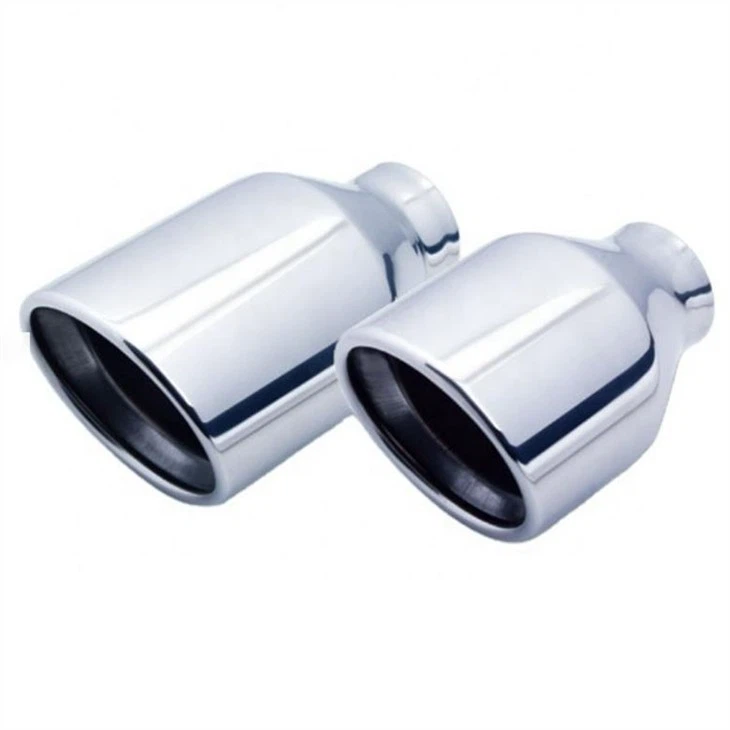
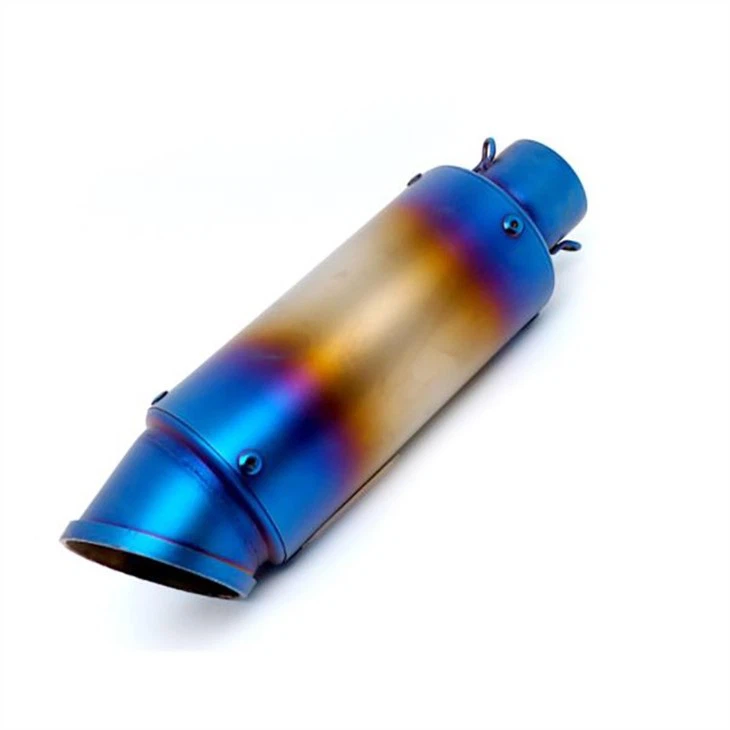
Now, let's talk about pipes exhaust. At our company, we offer a wide range of exhaust pipes, including Automotive Tail Pipes, Car Titanium Exhaust Pipe, and Stainless Steel Exhaust Pipes For Car. These pipes are designed to optimize the flow of exhaust gases out of the engine, which in turn can have a significant impact on engine performance.
The main way a well - designed exhaust system can potentially affect fuel octane requirements is through its influence on engine efficiency. When an exhaust system allows exhaust gases to flow out more freely, it reduces backpressure in the engine. Backpressure is like a traffic jam for exhaust gases. If the gases can't get out quickly enough, they build up in the engine, making it work harder to expel them.
With less backpressure, the engine can breathe better. This improved breathing means that the engine can operate more efficiently, and in some cases, it might be able to tolerate a lower - octane fuel without knocking. For example, a high - flow exhaust system can help the engine scavenge exhaust gases more effectively. Scavenging is the process of removing exhaust gases from the combustion chamber before the next intake stroke. When scavenging is improved, fresh air - fuel mixture can enter the chamber more easily, and the combustion process becomes more efficient.
However, it's important to note that the effect of an exhaust system on fuel octane requirements is not always straightforward. There are several other factors at play. Engine design is a major one. Some engines are more sensitive to changes in exhaust flow and backpressure than others. High - performance engines with high compression ratios are often designed to work with high - octane fuels, and a simple exhaust upgrade might not be enough to significantly lower the octane requirement.
The type of driving you do also matters. If you're constantly driving at high speeds, under heavy load, or in stop - and - go traffic, your engine will have different demands compared to someone who mostly drives on the highway at a steady pace. Aggressive driving puts more stress on the engine, and it might still require high - octane fuel even with an upgraded exhaust system.
Another factor is the quality of the exhaust system itself. A poorly designed or installed exhaust system can actually increase backpressure or cause uneven flow of exhaust gases. This can lead to reduced engine performance and might even increase the risk of knocking, forcing you to use higher - octane fuel. That's why it's crucial to choose a reliable exhaust system from a trusted supplier, like the ones we offer.
Let's take a closer look at the different types of exhaust pipes we provide and how they might impact fuel octane requirements.
Our Automotive Tail Pipes are not just for looks. They play an important role in the overall exhaust system. A well - designed tail pipe can help direct exhaust gases away from the vehicle in a smooth and efficient manner. By reducing turbulence at the end of the exhaust system, it can contribute to better overall exhaust flow. This might, in turn, have a small but noticeable effect on engine efficiency and potentially lower the octane requirement in some cases.
Car Titanium Exhaust Pipe is a popular choice for many car enthusiasts. Titanium is a lightweight and strong material. A titanium exhaust pipe can reduce the overall weight of the vehicle, which is beneficial for performance. Additionally, titanium has good heat - resistant properties, which can help keep the exhaust gases flowing smoothly. The reduced weight and improved heat management can contribute to better engine breathing, and in some situations, it might help the engine tolerate lower - octane fuel.
Stainless Steel Exhaust Pipes For Car are known for their durability and corrosion resistance. A stainless - steel exhaust system can maintain its performance over a long period of time. It can also provide a consistent and smooth flow of exhaust gases, which is essential for optimizing engine efficiency. While it might not have as dramatic an effect on octane requirements as some high - end performance upgrades, it can still contribute to a more efficient engine operation.
In conclusion, while a well - designed pipes exhaust system can potentially have an impact on fuel octane requirements, it's not a magic bullet. It can contribute to better engine efficiency, which might allow you to use a lower - octane fuel in some cases. But it's just one piece of the puzzle. Engine design, driving style, and other factors all need to be considered.
If you're thinking about upgrading your exhaust system to see if it can help you save on high - octane fuel costs or improve engine performance, we're here to help. We have a team of experts who can guide you through the process of choosing the right exhaust pipes for your vehicle. Whether you're interested in Automotive Tail Pipes, Car Titanium Exhaust Pipe, or Stainless Steel Exhaust Pipes For Car, we can provide you with the best products and advice.
So, if you're ready to take your car's performance to the next level and explore the potential benefits of a new exhaust system, don't hesitate to reach out. Let's start a conversation about how we can meet your needs and help you get the most out of your vehicle.
References
- Heywood, J. B. (1988). Internal Combustion Engine Fundamentals. McGraw - Hill.
- Taylor, C. F. (1985). The Internal - Combustion Engine in Theory and Practice. MIT Press.