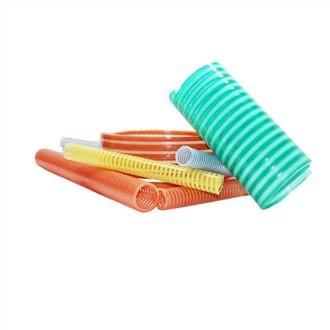
Hey there! As a supplier of Quick Fitting, I often get asked about the minimum temperature these fittings can withstand. It's a crucial question, especially for those who use these fittings in various environments, from industrial settings to outdoor projects. So, let's dive right into it and explore this topic in detail.
First off, what exactly are Quick Fittings? Well, they're a type of connector that allows for fast and easy installation and removal of hoses, pipes, and other fluid transfer components. They come in different materials, sizes, and designs, each with its own set of properties and capabilities.
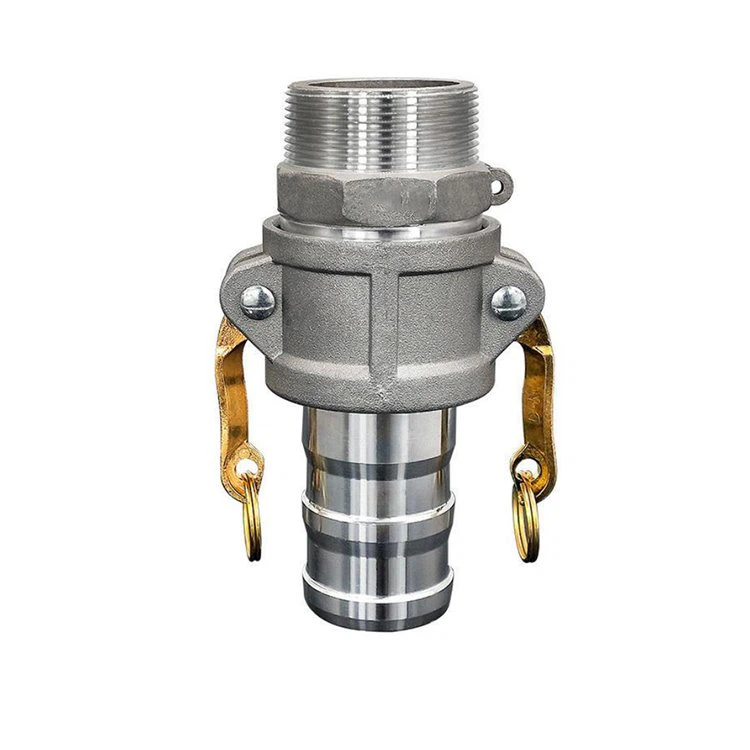

One of the popular types of Quick Fittings we offer is the Quickly PVC Camlock Fittings. These are made from high - quality PVC, which is known for its durability and chemical resistance. PVC is a thermoplastic material, and like all thermoplastics, its performance can be affected by temperature.
When it comes to the minimum temperature that PVC Quick Fittings can withstand, it generally depends on a few factors. PVC starts to become brittle at low temperatures. For most standard PVC Quick Fittings, the minimum safe operating temperature is around - 20°C (- 4°F). At temperatures below this, the PVC can become extremely brittle, increasing the risk of cracking or breaking when subjected to stress, such as pressure from the fluid flowing through the fitting or mechanical force during installation or removal.
Let's take a look at another type of Quick Fitting we have, the 2 Inch Layflat Hose Connector. These connectors are often used in applications where flexibility and quick connection are needed, such as in irrigation systems or temporary fluid transfer setups. The material used for these connectors can vary, but many are made from rubber or a combination of rubber and other polymers.
Rubber has different temperature characteristics compared to PVC. Rubber - based Quick Fittings can typically withstand lower temperatures than PVC ones. For some high - quality rubber Quick Fittings, the minimum operating temperature can be as low as - 40°C (- 40°F). However, it's important to note that the exact minimum temperature can vary depending on the specific type of rubber used, its formulation, and any additives present.
In addition to the material of the fitting itself, the type of fluid being transferred through the Quick Fitting also plays a role in determining the minimum safe temperature. Some fluids, such as water, can freeze at 0°C (32°F). If water freezes inside a Quick Fitting, it can expand, causing significant pressure on the fitting walls and potentially leading to damage. So, even if the fitting material can theoretically withstand lower temperatures, the freezing of the fluid can be a limiting factor.
For fluids that don't freeze easily, like certain types of oils or chemicals, the minimum temperature consideration is more focused on the fitting's material properties. For example, if a fitting is used to transfer a low - viscosity oil in a cold environment, the fitting needs to be able to maintain its structural integrity and sealing properties at the operating temperature.
Another aspect to consider is the installation and maintenance of Quick Fittings in cold environments. When installing Quick Fittings at low temperatures, it's important to handle them carefully to avoid any sudden impacts or excessive force that could cause damage. Also, regular inspections should be carried out to check for any signs of wear, cracking, or other damage that may have occurred due to the cold.
If you're planning to use Quick Fittings in extremely cold environments, it might be a good idea to consider using additional insulation. Insulating the fittings and the hoses connected to them can help maintain a more stable temperature inside the system and reduce the risk of damage due to cold temperatures. There are various types of insulation materials available, such as foam insulation sleeves, which can be easily wrapped around the fittings and hoses.
In summary, the minimum temperature that Quick Fittings can withstand varies depending on the material of the fitting, the type of fluid being transferred, and the specific application. For PVC Quick Fittings, the minimum safe operating temperature is usually around - 20°C (- 4°F), while rubber - based fittings can often handle temperatures as low as - 40°C (- 40°F). However, the freezing of the fluid and proper installation and maintenance also need to be taken into account.
If you're in the market for Quick Fittings and have questions about their performance in cold environments or any other aspect, don't hesitate to reach out. We're here to help you find the right fittings for your specific needs. Whether you're working on an industrial project, an agricultural application, or a DIY home project, we've got the expertise and the products to meet your requirements. So, feel free to contact us for more information and to discuss your procurement needs. We'll be happy to assist you in making the best choice for your Quick Fitting requirements.
References:
- General knowledge of material science and fluid transfer technology
- Product specifications and technical data provided by fitting manufacturers