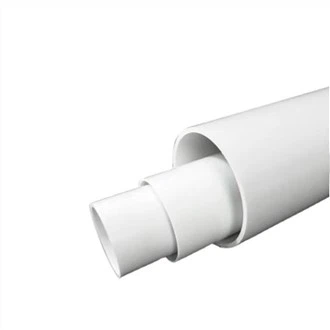
As a PPR pipe supplier, I often get asked whether PPR pipes can be used for hot water systems. The answer is a resounding yes! PPR, or Polypropylene Random Copolymer, pipes are not only suitable but also an excellent choice for hot water applications. In this blog, I'll delve into the science behind PPR pipes, their advantages for hot water systems, and how they stack up against other materials.
The Science of PPR Pipes
PPR is a thermoplastic material that is made by polymerizing propylene with a small amount of ethylene. This random copolymer structure gives PPR pipes several key properties that make them ideal for hot water systems. Firstly, PPR has a high melting point, typically around 140-160°C (284-320°F). This means that it can withstand the high temperatures commonly found in hot water systems without deforming or melting.
Secondly, PPR has excellent thermal insulation properties. It has a low thermal conductivity, which means that it can reduce heat loss from the hot water as it travels through the pipes. This not only helps to save energy but also ensures that the water remains at a consistent temperature throughout the system.
Another important property of PPR is its chemical resistance. It is resistant to a wide range of chemicals, including acids, alkalis, and salts. This makes it suitable for use in both domestic and industrial hot water systems, where the water may contain various contaminants.
Advantages of PPR Pipes for Hot Water Systems
There are several advantages to using PPR pipes in hot water systems. One of the main advantages is their durability. PPR pipes are highly resistant to corrosion, which means that they can last for many years without developing leaks or other problems. This is particularly important in hot water systems, where the pipes are constantly exposed to high temperatures and pressure.
In addition to their durability, PPR pipes are also easy to install. They are lightweight and flexible, which makes them easy to handle and manipulate. They can be joined together using a variety of methods, including heat fusion, which creates a strong and permanent bond between the pipes. This makes the installation process quick and efficient, reducing labor costs and minimizing disruption to the building.
Another advantage of PPR pipes is their smooth interior surface. This smooth surface reduces friction and turbulence within the pipes, which helps to improve the flow of water and reduce the risk of blockages. It also makes the pipes easier to clean and maintain, which can help to extend their lifespan.


PPR pipes are also environmentally friendly. They are made from a recyclable material, which means that they can be reused at the end of their lifespan. This helps to reduce waste and conserve natural resources.
Comparing PPR Pipes to Other Materials
When it comes to choosing the right material for a hot water system, there are several options available. Some of the most common materials include copper, PVC, and cross-linked polyethylene (PEX). While each of these materials has its own advantages, PPR pipes offer several unique benefits that make them a popular choice for hot water applications.
Copper pipes have long been a popular choice for hot water systems due to their durability and heat resistance. However, copper is a relatively expensive material, and the installation process can be complex and time-consuming. In addition, copper pipes are susceptible to corrosion, particularly in areas with high levels of acidity or alkalinity in the water.
PVC pipes are another common option for hot water systems. They are relatively inexpensive and easy to install, but they have a lower temperature rating than PPR pipes. This means that they are not suitable for use in high-temperature applications, such as boilers or solar water heaters.
PEX pipes are a newer type of plastic pipe that has gained popularity in recent years. They are flexible and easy to install, and they have a high temperature rating. However, PEX pipes are more expensive than PPR pipes, and they are not as widely available.
Applications of PPR Pipes in Hot Water Systems
PPR pipes can be used in a variety of hot water applications, including domestic hot water systems, commercial hot water systems, and industrial hot water systems. In domestic hot water systems, PPR pipes are commonly used to supply hot water to sinks, showers, and bathtubs. They can also be used to connect the water heater to the rest of the plumbing system.
In commercial hot water systems, PPR pipes are often used in hotels, restaurants, and other large buildings. They can be used to supply hot water to multiple fixtures and appliances, such as dishwashers and laundry machines.
In industrial hot water systems, PPR pipes are used in a variety of applications, including process heating, steam generation, and cooling. They are particularly suitable for use in industries where the water may contain chemicals or other contaminants, as they are resistant to corrosion and chemical attack.
Quality Assurance and Standards
As a PPR pipe supplier, I understand the importance of quality assurance and standards. That's why I only supply PPR pipes that meet or exceed international standards, such as ISO 15874 and ASTM F2389. These standards ensure that the pipes are safe, reliable, and of high quality.
In addition to meeting international standards, I also conduct rigorous quality control tests on all of my PPR pipes before they are shipped to customers. These tests include pressure testing, temperature testing, and chemical analysis. This ensures that the pipes are able to withstand the high temperatures and pressures commonly found in hot water systems.
Conclusion
In conclusion, PPR pipes are an excellent choice for hot water systems. They offer a number of advantages over other materials, including durability, energy efficiency, ease of installation, and chemical resistance. Whether you're looking to install a new hot water system or replace an existing one, PPR pipes are a reliable and cost-effective solution.
If you're interested in learning more about our Plumbers Ppr Pipe, Plastic Pipe Ppr, or Plastic Polypropylene Pipes, please don't hesitate to contact us. Our team of experts is always available to answer your questions and provide you with more information about our products. We look forward to working with you to meet your hot water system needs.
References
- ISO 15874:2019, Plastics piping systems - Polypropylene (PP) - Specifications for pipes, fittings and joints for hot and cold water installations.
- ASTM F2389-05(2018), Standard Specification for Polypropylene Random Copolymer (PP-R) Plastic Hot- and Cold-Water Distribution Systems.