Hey there, fellow garden enthusiasts! I'm a supplier of PVC garden hoses, and I often get asked some pretty interesting questions. One that popped up recently is whether a PVC garden hose can be used for a water wheel in the garden. Well, let's dive right into this topic and find out!


First off, let's talk a bit about what a water wheel is and why you might want one in your garden. A water wheel is a simple yet cool device that uses the force of flowing water to turn. It can be a great addition to your garden, adding a touch of old - fashioned charm and even serving as a small source of power for some low - energy devices like a small pump or a light.
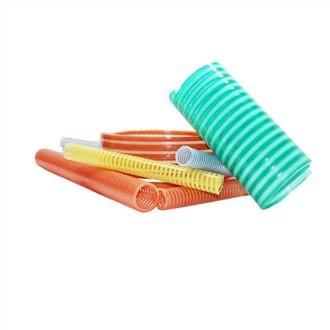
Now, let's look at the PVC garden hose. PVC, or polyvinyl chloride, is a type of plastic that's commonly used to make garden hoses. It's popular because it's relatively inexpensive, lightweight, and flexible. You can easily find different types of PVC garden hoses on the market, like the PVC Garden Hose 50ft, the Flexible Plastic Pipe Garden Hose Pvc, and the PVC Heated Garden Hose.
Advantages of Using a PVC Garden Hose for a Water Wheel
One of the main advantages of using a PVC garden hose for a water wheel is its flexibility. You can easily bend and shape the hose to fit the design of your water wheel. This means you can customize the way the water flows onto the water wheel's blades, which is super important for getting the most efficient rotation.
Another plus is the cost. PVC garden hoses are generally cheaper compared to other materials you might use for a water wheel. If you're on a budget or just want to try out building a water wheel without spending too much, a PVC hose is a great option.
Also, PVC hoses are lightweight. This makes them easy to handle during the construction of the water wheel. You won't have to struggle with heavy materials, and you can move the hose around as needed to set up your water wheel in the perfect spot in your garden.
Potential Challenges
However, there are also some challenges you might face when using a PVC garden hose for a water wheel. One of the biggest issues is durability. PVC can be prone to damage from sunlight, extreme temperatures, and sharp objects. If your water wheel is going to be outside all year round, the hose might start to crack or break over time.
The water pressure can also be a problem. Some PVC garden hoses might not be able to handle high water pressure. If the water pressure is too high, the hose could burst, which would not only stop your water wheel from working but also make a big mess in your garden.
Another thing to consider is the flow rate. The diameter of the PVC hose can affect how much water flows through it. If the hose is too narrow, the water flow might not be strong enough to turn the water wheel effectively. On the other hand, if the hose is too wide, you might waste water.
Making It Work
If you decide to use a PVC garden hose for your water wheel, there are some things you can do to make it work better. First, choose a high - quality PVC hose. Look for hoses that are designed to be more resistant to sunlight and temperature changes. This will help the hose last longer.
You can also protect the hose from sharp objects by covering it or placing it in a safe location. If you're worried about the water pressure, you can install a pressure regulator. This will ensure that the water pressure in the hose stays at a safe level.
To optimize the flow rate, you can experiment with different hose diameters. You might need to try a few different sizes to find the one that gives you the best balance between water flow and efficiency.
DIY Water Wheel with a PVC Garden Hose
Now, let's talk about how you can build a simple water wheel using a PVC garden hose. You'll need a few basic tools and materials. Besides the PVC hose, you'll need some wooden or plastic blades for the water wheel, a central axle, and a frame to hold everything in place.
First, cut the PVC hose to the desired length. You'll want to make sure it's long enough to reach from your water source to the water wheel. Then, attach the hose to a nozzle or a spout that will direct the water onto the blades of the water wheel.
Next, assemble the water wheel. Attach the blades to the central axle and then mount the axle on the frame. Make sure the water wheel can rotate freely.
Once the water wheel is assembled, connect the hose to your water source, like a garden faucet or a small pond pump. Turn on the water, and watch as the force of the water turns the water wheel. You might need to make some adjustments to the position of the hose or the angle of the blades to get the best rotation.
Conclusion
So, can a PVC garden hose be used for a water wheel in the garden? The answer is yes! With its flexibility, affordability, and ease of use, a PVC garden hose can be a great choice for building a water wheel. However, you need to be aware of the potential challenges and take steps to overcome them.
If you're interested in purchasing PVC garden hoses for your water wheel project or any other garden needs, I'd love to have a chat with you. Whether you're a DIY enthusiast or a professional gardener, we have a wide range of PVC garden hoses to meet your requirements. Just reach out, and we can discuss your specific needs and find the perfect hose for you.
References
- General knowledge about PVC materials and garden hoses
- DIY water wheel construction guides from gardening magazines and online resources