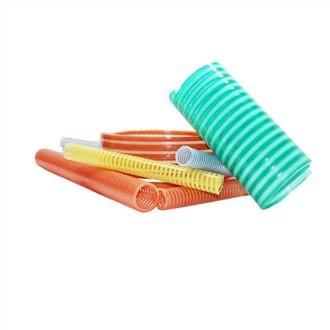
In the world of automotive and industrial applications, rubber fuel lines play a crucial role in transporting fuel from the tank to the engine. As a reliable rubber fuel line supplier, I've witnessed firsthand the significance of wall thickness in these components. Wall thickness isn't merely a random measurement; it has a profound impact on the performance and durability of rubber fuel lines. In this blog post, I'll delve into how the wall thickness of a rubber fuel line affects its performance, drawing on both technical knowledge and real - world experience.
1. Pressure Resistance
One of the primary factors influenced by wall thickness is the pressure resistance of the rubber fuel line. A thicker wall provides greater structural integrity, allowing the hose to withstand higher internal pressures without bursting or leaking. In automotive engines, fuel systems operate under various pressure conditions. During normal operation, the fuel pump delivers fuel at a certain pressure to ensure proper combustion in the engine. However, sudden acceleration or deceleration can cause pressure spikes in the fuel line.
For instance, in high - performance vehicles where the engine demands a large volume of fuel quickly, the fuel line must be able to handle increased pressure. A rubber fuel line with a thin wall may collapse under high pressure, restricting fuel flow and potentially leading to engine misfires. On the other hand, a thick - walled fuel line can maintain its shape and allow for consistent fuel delivery, even under extreme pressure. According to industry standards, the pressure - rating of a rubber fuel line is directly related to its wall thickness. As a supplier, I often recommend thicker - walled fuel lines for applications where high - pressure tolerance is required.
2. Abrasion Resistance
The working environment of a rubber fuel line can be harsh, with the hose often rubbing against other components in the engine compartment or being exposed to rough surfaces during installation. Wall thickness significantly affects the abrasion resistance of the fuel line. A thicker wall acts as a buffer, protecting the inner layers of the hose from wear and tear.
In automotive applications, vibrations can cause the fuel line to come into contact with surrounding metal parts or other hoses. Over time, this constant friction can wear away the outer surface of the hose. If the wall is too thin, the abrasion may penetrate through to the inner layers, leading to leaks and potential safety hazards. A thick - walled rubber fuel line can better withstand these abrasive forces, extending its service life. When I consult with customers about their needs, I always emphasize the importance of considering abrasion resistance, especially for vehicles that operate in demanding conditions. For example, off - road vehicles that encounter rough terrains and debris are more likely to experience abrasion on their fuel lines, so a thicker - walled option is often the best choice.
3. Chemical Resistance
Rubber fuel lines are constantly in contact with various fuels, additives, and chemicals. The wall thickness can influence the chemical resistance of the hose. A thicker wall provides a larger barrier between the fuel and the outer environment, reducing the chances of chemical permeation.
Modern fuels contain a variety of substances, such as ethanol, which can be corrosive to certain types of rubber. If the wall of the fuel line is too thin, these chemicals may seep through the rubber, causing it to swell, crack, or degrade over time. A thicker - walled fuel line can slow down the rate of chemical penetration, protecting the integrity of the hose. As a supplier, I offer a range of rubber fuel lines with different wall thicknesses to meet the specific chemical - resistance requirements of different fuels. For example, in regions where ethanol - blended fuels are commonly used, I recommend thicker - walled hoses made from materials with high ethanol resistance, such as fluorinated rubber.


4. Flexibility and Bend Radius
While a thicker wall generally enhances pressure, abrasion, and chemical resistance, it can also have an impact on the flexibility of the rubber fuel line. Flexibility is an important factor, especially during installation, as the hose needs to be routed around various engine components. A thicker - walled hose is typically less flexible than a thin - walled one, which can make installation more challenging.
However, it's important to find a balance. A hose that is too flexible may kink easily, which can restrict fuel flow. On the other hand, a hose that is too rigid may not be able to conform to the required routing, leading to improper installation. As a supplier, I work with customers to understand their installation requirements and recommend the appropriate wall thickness. For applications where tight bends are necessary, a slightly thinner - walled hose may be more suitable, as long as it can still meet the pressure and other performance requirements.
5. Cost - Effectiveness
Wall thickness also has implications for the cost of the rubber fuel line. Thicker - walled hoses generally require more raw materials and more complex manufacturing processes, which can increase the cost. However, they often offer longer service lives and better performance, which can result in cost savings in the long run.
For customers on a tight budget, a thinner - walled fuel line may seem like a more attractive option initially. However, if the thin - walled hose fails prematurely due to pressure, abrasion, or chemical issues, the cost of replacement and potential downtime can be significant. As a supplier, I help customers evaluate the cost - effectiveness of different wall thickness options based on their specific applications. For example, in a high - volume production environment where reliability is crucial, the slightly higher cost of a thick - walled fuel line may be justified by the reduced risk of failures.
Related Products
As a rubber fuel line supplier, I also offer a wide range of related products. For instance, we have the 4inc Pvc Latflay Hose, which is suitable for various fluid - transfer applications. Our PU Dust Collector Hose is designed for efficient dust collection in industrial settings. And the Flat Hose 300mm is a great option for applications where space is limited.
Conclusion
In conclusion, the wall thickness of a rubber fuel line is a critical factor that affects its pressure resistance, abrasion resistance, chemical resistance, flexibility, and cost - effectiveness. As a supplier, my goal is to provide customers with the best - suited rubber fuel lines for their specific needs. Whether you're an automotive manufacturer, an industrial operator, or a DIY enthusiast, understanding the impact of wall thickness on performance is essential for making the right choice.
If you're interested in learning more about our rubber fuel lines or any of our related products, I encourage you to reach out to us for a detailed discussion. We can help you select the most appropriate wall thickness and product type based on your application requirements. Let's work together to ensure the reliable and efficient operation of your fuel - delivery systems.
References
- "Handbook of Rubber Technology" by Maurice Morton
- "Automotive Fuel Systems" by various automotive engineers and technicians in industry - specific publications.
- Industry standards and technical papers on rubber hoses and their performance characteristics.