Hey there! I'm an industrial hose supplier, and today I wanna dive into a question that's been coming up a lot lately: Are industrial hoses resistant to biological agents? It's a super important topic, especially in industries where hoses come into contact with all sorts of stuff, including biological substances.
First off, let's talk about what we mean by biological agents. These can be things like bacteria, viruses, fungi, and other microorganisms. They're everywhere in our environment, and in some industrial settings, hoses might have to deal with them on a regular basis. For example, in the food and beverage industry, hoses are used to transfer liquids that could potentially be contaminated with bacteria. In the pharmaceutical industry, hoses need to be able to handle sterile environments and prevent the growth of any unwanted biological agents.

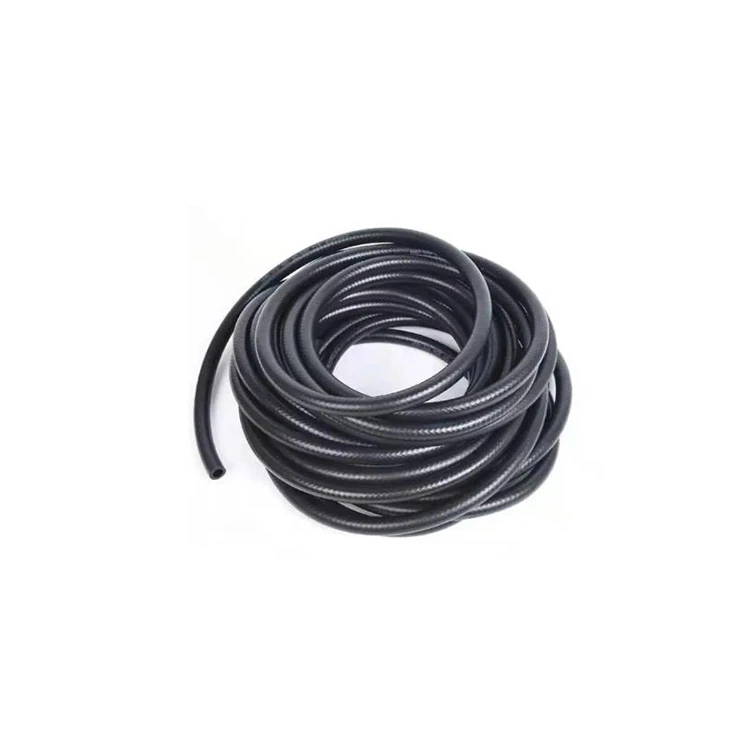
Now, the resistance of industrial hoses to biological agents depends on a few key factors. One of the most important is the material the hose is made from. Different materials have different properties when it comes to resisting biological growth.
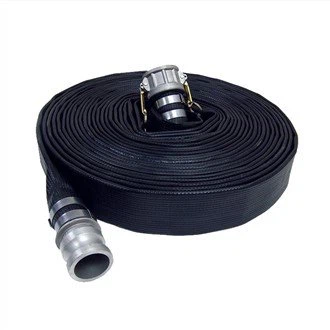
Some common materials used in industrial hoses include rubber, PVC, and thermoplastics. Rubber hoses, for instance, can be formulated to have good resistance to certain biological agents. Natural rubber, however, might not be the best choice in environments where there's a high risk of biological contamination because it can be more prone to degradation by microorganisms. Synthetic rubbers like nitrile, on the other hand, are often more resistant. You can check out our 4'' Black Nitrile Hose which is a great example of a hose made from a material that has decent resistance to various substances, including some biological ones.
PVC hoses are also popular in many industrial applications. They're relatively inexpensive and can offer some level of resistance to biological agents. But again, it depends on the specific formulation. Some PVC hoses are treated with additives to enhance their resistance to microbial growth.
Thermoplastic hoses, such as those made from polyurethane, can be very durable and resistant to biological agents. They're often used in applications where cleanliness and resistance to contamination are crucial.
Another factor that affects a hose's resistance to biological agents is its surface finish. A smooth surface is generally better because it's harder for microorganisms to attach and grow on it. Rough or porous surfaces can provide a perfect breeding ground for bacteria and fungi. So, when choosing an industrial hose, it's important to consider the surface finish as well.
The operating conditions also play a big role. Temperature, humidity, and the presence of other chemicals can all impact a hose's ability to resist biological agents. For example, high temperatures and high humidity can create an ideal environment for the growth of microorganisms. If a hose is constantly exposed to these conditions, it might need to be made from a material that can withstand such challenges.
In industries like agriculture, hoses are used to transfer fertilizers and pesticides, which might contain biological agents. In this case, the hose needs to be resistant not only to the chemicals but also to any potential biological contaminants. Our High Pressure Fuel Hose is designed to handle high-pressure situations and can be a good option in some agricultural applications where durability and resistance are key.
In the automotive industry, hoses are used for fuel transfer. The Fuel Hose Gasoline is an important component, and it needs to be resistant to the gasoline as well as any biological agents that might be present in the fuel system.
Now, let's talk about how we can test the resistance of industrial hoses to biological agents. There are several standard tests available. One common test involves exposing the hose material to a specific type of microorganism under controlled conditions and then measuring the growth of the microorganism over a period of time. This can give us an idea of how well the hose material can resist biological contamination.
It's also important to note that just because a hose is resistant to one type of biological agent doesn't mean it's resistant to all of them. Different microorganisms have different characteristics and can interact with hose materials in different ways. So, when selecting a hose for a particular application, it's crucial to consider the specific biological agents that the hose will be exposed to.
In addition to material selection and testing, proper maintenance of industrial hoses is essential to ensure their resistance to biological agents. Regular cleaning and disinfection can help prevent the growth of microorganisms on the hose surface. It's also important to store hoses properly when they're not in use to avoid contamination.
So, to answer the question, are industrial hoses resistant to biological agents? Well, it depends. With the right material selection, proper design, and good maintenance practices, industrial hoses can offer a high level of resistance to many biological agents. But it's not a one-size-fits-all situation, and each application needs to be carefully evaluated.
If you're in the market for industrial hoses and you're concerned about their resistance to biological agents, we're here to help. We have a wide range of hoses that are designed to meet different needs and requirements. Whether you're in the food and beverage industry, the pharmaceutical industry, or any other sector that requires hoses to handle biological substances, we can provide you with the right solutions.
Don't hesitate to reach out to us for more information and to discuss your specific needs. We're always happy to have a chat and help you find the perfect industrial hose for your application. Let's work together to ensure that your operations run smoothly and that your hoses can handle whatever comes their way, including biological agents.
References
- Industrial Hose Handbook: A Guide to Selection, Installation, and Maintenance
- ASTM Standards for Testing the Resistance of Materials to Biological Agents