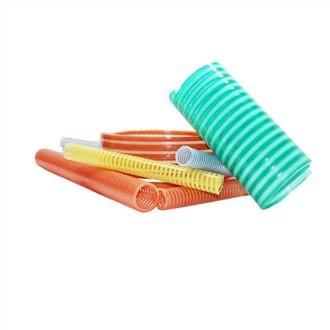
Hey there, fellow garden enthusiasts! As a supplier of PVC garden hoses, I've seen my fair share of hoses that have seen better days. Whether it's a small leak or a major tear, a damaged PVC garden hose can really put a damper on your gardening plans. But don't worry, because in this blog post, I'm going to walk you through the tools you'll need to repair a PVC garden hose like a pro.
1. Hose Clamps
Hose clamps are one of the most essential tools for repairing a PVC garden hose. They're used to secure the hose to fittings or to hold together two sections of hose. You can find hose clamps at most hardware stores, and they come in a variety of sizes to fit different hose diameters. When choosing hose clamps, make sure to select ones that are made of stainless steel or another corrosion-resistant material, as they'll last longer and won't rust in the outdoor environment.
2. Utility Knife
A utility knife is a must-have tool for any DIY project, and repairing a PVC garden hose is no exception. You'll use the utility knife to cut away any damaged sections of the hose and to prepare the ends for splicing or attaching fittings. Make sure to choose a sharp utility knife with a retractable blade for safety. When cutting the hose, be careful to make a clean, straight cut to ensure a proper fit.
3. PVC Primer and Cement
If you're splicing two sections of PVC garden hose together or attaching a fitting to the hose, you'll need PVC primer and cement. These products are designed to create a strong, watertight bond between the PVC materials. First, you'll apply the primer to the surfaces that will be joined. The primer helps to clean and soften the PVC, allowing the cement to bond more effectively. Then, you'll apply the cement to the primed surfaces and quickly join them together. Hold the pieces in place for a few seconds to allow the cement to set.
4. Hose Repair Sleeve
A hose repair sleeve is a quick and easy solution for fixing small leaks or holes in a PVC garden hose. It's a pre-cut piece of PVC that you can slide over the damaged area and secure with hose clamps. The sleeve provides a protective barrier and prevents water from leaking out. You can find hose repair sleeves at most hardware stores or online. Make sure to choose a sleeve that is the right size for your hose.
5. Fittings
Depending on the type of repair you're making, you may need various fittings to connect the hose to other components, such as a sprinkler, nozzle, or water source. Common fittings include couplings, elbows, and adapters. When choosing fittings, make sure they are made of PVC and are compatible with your hose. You can find a wide selection of fittings at hardware stores or on websites like Pvc Garden Hose Lowes.
6. Tape Measure
A tape measure is useful for accurately measuring the length of the hose and the distance between fittings. This ensures that you cut the hose to the correct length and that the fittings are installed in the right position. When measuring, make sure to use a flexible tape measure that can easily wrap around the hose.
7. Sandpaper
Sandpaper can be used to smooth the cut ends of the hose and to remove any rough edges or burrs. This helps to ensure a better fit when splicing or attaching fittings. You can use fine-grit sandpaper to gently sand the ends of the hose.
8. Pliers
Pliers can come in handy for tightening hose clamps and for manipulating small fittings. They provide a better grip than your fingers and make it easier to apply the necessary force. Choose a pair of pliers with smooth jaws to avoid damaging the hose or fittings.
9. Rubber Gloves
When working with PVC primer and cement, it's important to protect your hands. Rubber gloves will prevent the chemicals from coming into contact with your skin and causing irritation. Make sure to choose gloves that fit well and are made of a durable material.
10. Safety Glasses
Safety glasses are essential for protecting your eyes from any flying debris or splashes of primer or cement. When cutting the hose or working with chemicals, there's a risk of small particles or droplets getting into your eyes. Wear safety glasses at all times to avoid any potential injuries.
How to Use These Tools for Hose Repair
Now that you know what tools you need, let's go over the basic steps for repairing a PVC garden hose:
- Identify the Problem: Inspect the hose carefully to determine the extent of the damage. Look for leaks, holes, or cracks.
- Cut Away the Damaged Section: Use the utility knife to cut out the damaged part of the hose. Make sure to cut straight and clean.
- Prepare the Ends: If you're splicing the hose, use sandpaper to smooth the cut ends. If you're attaching a fitting, make sure the end of the hose is clean and dry.
- Apply Primer and Cement (if needed): If you're splicing or attaching a fitting, apply the primer and cement according to the manufacturer's instructions.
- Join the Pieces: If splicing, slide the two ends together and hold them in place until the cement sets. If attaching a fitting, insert it into the end of the hose and secure it with hose clamps.
- Test the Repair: Turn on the water and check for any leaks. If there are still leaks, you may need to recheck the connections or make additional repairs.
Conclusion
Repairing a PVC garden hose doesn't have to be a daunting task. With the right tools and a little know-how, you can fix most hose problems yourself. Whether you're a seasoned gardener or just starting out, having these tools on hand will save you time and money in the long run.
If you're in the market for high-quality PVC garden hoses or any of the tools mentioned in this post, don't hesitate to reach out to us. We're here to help you find the best products for your gardening needs. Whether you have questions about our products, need advice on hose repair, or are ready to place an order, we're just a message away. Let's get your garden back in shape together!
References
- "PVC Pipe and Fittings Handbook"
- Various DIY home improvement guides