As a PPR pipe supplier with years of experience in the industry, I often encounter customers who ask whether PPR pipes can be bent. This is a crucial question, especially for those involved in plumbing and construction projects. In this blog post, I will delve into the topic of bending PPR pipes, exploring the feasibility, methods, and considerations.
Can PPR Pipe be Bent?
The short answer is yes, PPR pipes can be bent. However, it's not as straightforward as bending some other types of pipes. PPR, or Polypropylene Random Copolymer, is a thermoplastic material known for its excellent chemical resistance, durability, and smooth inner surface, which makes it a popular choice for plumbing systems. But its properties also mean that special techniques are required to bend it effectively.
PPR pipes are relatively rigid at room temperature. Unlike some flexible plastic pipes, they won't bend easily without the application of heat. When heated, PPR becomes more malleable, allowing it to be shaped into the desired curve. However, this process needs to be done carefully to avoid damaging the pipe.
Methods of Bending PPR Pipe
Using a Pipe Bender
One common method is to use a specialized PPR pipe bender. These tools are designed to heat the pipe evenly and then shape it into the desired bend. The pipe bender typically consists of a heating element and a bending die. The pipe is first placed in the heating element until it reaches the appropriate temperature, usually around 150 - 180 degrees Celsius. Once heated, the pipe is quickly transferred to the bending die, where it is bent to the required angle.
It's important to note that different pipe diameters may require different types of pipe benders. Smaller diameter pipes can often be bent with handheld benders, while larger diameter pipes may need more heavy - duty, industrial - grade benders.
Heat Gun Method
For smaller projects or when a pipe bender is not available, a heat gun can be used. A heat gun emits a stream of hot air that can be directed at the pipe to heat it. The key is to move the heat gun evenly along the section of the pipe that needs to be bent to ensure uniform heating. Once the pipe is soft enough, it can be carefully bent by hand.
However, the heat gun method requires more skill and experience. Uneven heating can lead to uneven bends or even damage the pipe, such as creating thin spots or kinks.
Considerations When Bending PPR Pipe
Temperature Control
Proper temperature control is crucial when bending PPR pipes. If the pipe is not heated enough, it will be difficult to bend and may crack during the process. On the other hand, overheating the pipe can cause it to become too soft, leading to deformation and a loss of structural integrity.
Bend Radius
The bend radius is another important factor. PPR pipes have a minimum recommended bend radius, which is usually specified by the manufacturer. Bending the pipe beyond this radius can cause the pipe to collapse or develop internal stresses that may lead to leaks over time.
Safety
When working with heated PPR pipes, safety should be a top priority. The heated pipe can cause burns, so appropriate protective gear such as heat - resistant gloves should be worn. Also, ensure that the heating process is carried out in a well - ventilated area to avoid inhaling any fumes that may be released during heating.
Applications of Bent PPR Pipes
Bent PPR pipes have a wide range of applications in plumbing and construction. In residential plumbing systems, they can be used to create custom - shaped connections around obstacles, such as in tight spaces under sinks or behind walls. In commercial buildings, bent PPR pipes are often used in complex plumbing layouts, such as in large - scale water supply and drainage systems.
Our PPR Pipe Products
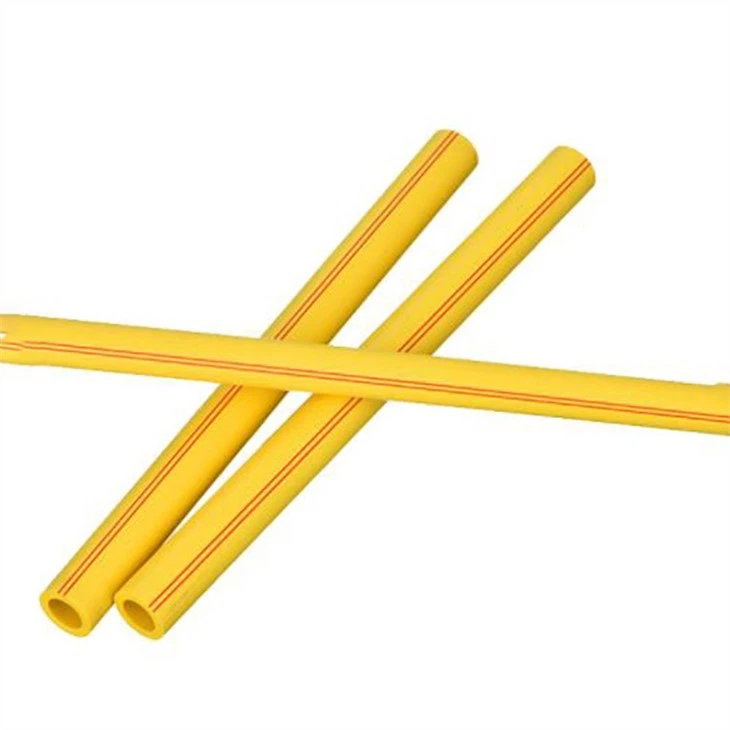
As a PPR pipe supplier, we offer a wide range of high - quality Plumbers Ppr Pipe products. Our Plastic Pipe Polypropylene pipes are made from the finest raw materials, ensuring excellent performance and durability. Whether you need straight pipes or bent pipes for your project, we can provide you with the right solutions. Our Plastic Pipe Ppr products come in various diameters and wall thicknesses to meet different requirements.
Conclusion
In conclusion, PPR pipes can be bent, but it requires the right techniques and considerations. Whether you choose to use a pipe bender or a heat gun, make sure to follow the proper procedures to ensure a successful bend. As a reliable PPR pipe supplier, we are committed to providing you with the best products and technical support. If you have any questions about bending PPR pipes or if you are interested in purchasing our PPR pipe products, please feel free to contact us for procurement and negotiation. We look forward to working with you on your next project.

References
- "Plastic Pipes Handbook" by John P. Mathews
- Manufacturer's guidelines for PPR pipes
- Industry standards for PPR pipe installation and bending