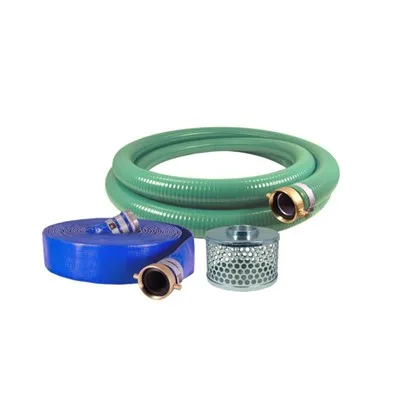
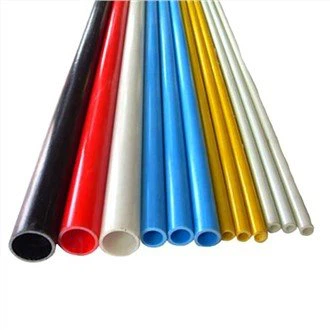
When it comes to industrial and commercial applications, PVC hoses are a staple due to their durability, flexibility, and cost - effectiveness. As a PVC hose supplier, I have encountered numerous inquiries regarding the working pressure range of these hoses. Understanding this range is of utmost importance for ensuring the safety and efficiency of any system in which the PVC hose is installed.
Firstly, the working pressure range of PVC hoses can vary significantly based on several factors. One of the most critical determinants is the hose's construction. PVC hoses come in different types, including smooth - bore, spiral - reinforced, and braided hoses. Each construction type has its own unique pressure - handling capabilities.
Smooth - bore PVC hoses are the simplest form. They are typically used for low - pressure applications. These hoses usually have a working pressure range of around 10 to 50 psi (pounds per square inch). Applications where smooth - bore PVC hoses are commonly found include home gardening, basic water transfer in non - industrial settings, and some light - duty pneumatic applications. For example, if you are using a hose for watering your lawn, a smooth - bore PVC hose with a working pressure in the lower end of this range is sufficient as the pressure needed to deliver water through the nozzle is not very high.
Spiral - reinforced PVC hoses offer enhanced pressure resistance compared to smooth - bore hoses. The spiral reinforcement provides additional structural support, allowing the hose to withstand higher pressures. The working pressure range of spiral - reinforced PVC hoses generally falls between 50 to 200 psi. This type of hose is suitable for a wider range of applications, such as agricultural irrigation systems, some industrial water transfer processes, and certain low - to medium - pressure pneumatic systems. If you are interested in a spiral - reinforced option, you can check out our 1.5 Inch Water Hose, which is designed to handle the pressures within this range effectively.
Braided PVC hoses are the most robust in terms of pressure handling among the common PVC hose types. The braided reinforcement, usually made of materials like polyester or nylon, provides excellent strength and stability. Braided PVC hoses can have a working pressure range from 200 to 500 psi or even higher in some specialized cases. These hoses are used in high - pressure applications such as industrial hydraulic systems, high - pressure cleaning equipment, and some heavy - duty pneumatic machinery. Our Flexible Reinforced Pvc Tubing and Reinforced Pvc Braided Vinyl Tubing fall into this category and are engineered to meet the demands of high - pressure environments.
Another factor that influences the working pressure range of PVC hoses is the hose diameter. Generally, smaller - diameter hoses can withstand higher pressures compared to larger - diameter ones. This is because the internal forces acting on the hose walls are more evenly distributed in smaller - diameter hoses. For example, a 1/2 - inch diameter braided PVC hose may be able to handle a higher working pressure than a 2 - inch diameter braided PVC hose, all other factors being equal.
The temperature of the fluid or gas being transported through the PVC hose also plays a role in determining the working pressure range. PVC is a thermoplastic material, and its mechanical properties can change with temperature. At higher temperatures, PVC becomes more flexible and less rigid, which can reduce its ability to withstand high pressures. Conversely, at very low temperatures, PVC can become brittle, which also poses a risk to the hose's pressure - handling capacity. As a general rule, the working pressure of a PVC hose should be derated when operating at temperatures outside the recommended range (usually between - 20°F to 150°F).
It is crucial to note that the burst pressure of a PVC hose is much higher than its working pressure. The burst pressure is the pressure at which the hose will fail catastrophically. However, it is not safe to operate a hose near its burst pressure. Industry standards typically recommend that the working pressure be set at a fraction (usually around 20% - 30%) of the burst pressure to ensure a safety margin. For example, if a PVC hose has a burst pressure of 1000 psi, the recommended working pressure might be set at 200 - 300 psi.
In addition to these technical factors, it is also important for users to consider the specific requirements of their applications. For instance, in a chemical transfer application, the compatibility of the PVC material with the chemical being transferred is essential. Some chemicals can react with PVC, causing it to degrade and reducing its pressure - handling ability. Therefore, it is necessary to select a PVC hose that is specifically designed for the type of fluid or gas it will be transporting.
As a PVC hose supplier, we understand the importance of providing accurate information about the working pressure range of our products. Our team of experts is always available to assist customers in selecting the right PVC hose for their specific applications. Whether you need a hose for a low - pressure home project or a high - pressure industrial system, we have a wide range of options to meet your needs.


If you are in the market for PVC hoses and have any questions about working pressure ranges, product specifications, or installation requirements, we encourage you to contact us. Our knowledgeable sales representatives can provide you with detailed information and help you make an informed decision. We look forward to the opportunity to work with you and provide you with high - quality PVC hoses that meet your exacting standards.
References
- Handbook of Plastic Pipe Systems
- Industrial Hosing Standards and Guidelines
- PVC Material Properties and Applications Research