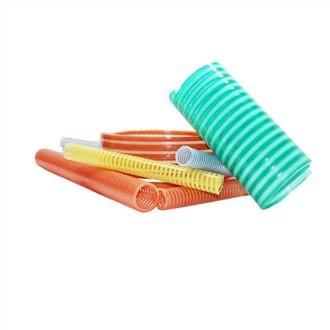
When it comes to the safe and efficient use of liquefied petroleum gas (LPG), one crucial component that often goes unnoticed is the LPG hose. As a leading LPG hose supplier, we understand the importance of ensuring that our products meet the highest standards of quality and safety. In this blog post, we will delve into the topic of the pressure rating of a common LPG hose, exploring what it means, why it matters, and how to choose the right hose for your needs.
Understanding Pressure Rating
The pressure rating of an LPG hose refers to the maximum amount of pressure that the hose can safely withstand without failing. This rating is typically expressed in pounds per square inch (psi) or bars. It is a critical specification because LPG is stored and transported under high pressure, and any failure of the hose can lead to dangerous leaks or even explosions.
The pressure rating of an LPG hose is determined by several factors, including the materials used in its construction, the design of the hose, and the manufacturing process. High-quality hoses are typically made from materials that are resistant to the corrosive effects of LPG, such as synthetic rubber or thermoplastic. These materials are designed to maintain their integrity under high pressure and temperature conditions.
Importance of Pressure Rating
The pressure rating of an LPG hose is of utmost importance for several reasons. First and foremost, it ensures the safety of the users. A hose with a low pressure rating may not be able to withstand the pressure of the LPG, leading to leaks or ruptures. These leaks can release flammable gas into the environment, posing a significant risk of fire or explosion.
Secondly, the pressure rating affects the performance of the LPG system. If the pressure rating of the hose is too low, it may restrict the flow of LPG, reducing the efficiency of the system. On the other hand, a hose with a higher pressure rating than necessary may be more expensive and may not provide any additional benefits.
Common Pressure Ratings
Common LPG hoses typically have pressure ratings ranging from 150 psi to 300 psi (10.3 to 20.7 bars). However, the specific pressure rating required for a particular application depends on several factors, including the type of LPG system, the flow rate, and the operating conditions.
For residential applications, such as home heating or cooking, a hose with a pressure rating of 150 psi is usually sufficient. These hoses are designed to handle the relatively low pressure and flow rates typically found in residential LPG systems.


For commercial or industrial applications, where higher pressure and flow rates are required, hoses with a higher pressure rating may be necessary. These hoses are often used in applications such as forklift trucks, generators, and industrial heating systems.
Choosing the Right LPG Hose
When choosing an LPG hose, it is important to consider the pressure rating as well as other factors such as the length, diameter, and material of the hose. Here are some tips to help you choose the right hose for your needs:
- Determine the pressure requirements: Before selecting a hose, you need to determine the maximum pressure that the hose will be subjected to. This information can usually be found in the specifications of your LPG system.
- Consider the length and diameter: The length and diameter of the hose can affect the flow rate and pressure drop. A longer hose or a smaller diameter hose may result in a higher pressure drop, which can reduce the efficiency of the system.
- Choose the right material: As mentioned earlier, the material of the hose is an important factor in determining its pressure rating and durability. Synthetic rubber and thermoplastic are common materials used in LPG hoses, but different materials may be more suitable for different applications.
- Look for certification: To ensure the safety and quality of the hose, look for hoses that are certified by recognized standards organizations, such as the American Society of Mechanical Engineers (ASME) or the International Organization for Standardization (ISO).
Our LPG Hose Products
As an LPG hose supplier, we offer a wide range of high-quality LPG hoses to meet the needs of different applications. Our hoses are designed and manufactured to meet the highest standards of quality and safety, and they come with a variety of pressure ratings to suit different requirements.
Some of our popular products include the Lpg Gas Connector Hose, which is suitable for connecting LPG cylinders to appliances, the 9mm Lpg Hose, which is commonly used in residential and commercial applications, and the Lpg Gas Hose Pipe, which is designed for high-pressure applications.
Conclusion
In conclusion, the pressure rating of a common LPG hose is a critical factor that determines its safety and performance. By understanding the importance of pressure rating and choosing the right hose for your needs, you can ensure the safe and efficient use of LPG in your home or business.
If you have any questions or need more information about our LPG hoses, please do not hesitate to contact us. We are always happy to help you find the right solution for your LPG needs. Whether you are a homeowner, a business owner, or an industrial user, we can provide you with the high-quality LPG hoses you need at competitive prices. Let's start a conversation and discuss your requirements today!
References
- American Society of Mechanical Engineers (ASME). Boiler and Pressure Vessel Code.
- International Organization for Standardization (ISO). ISO 14025:2006 Environmental labels and declarations - Type III environmental declarations - Principles and procedures.