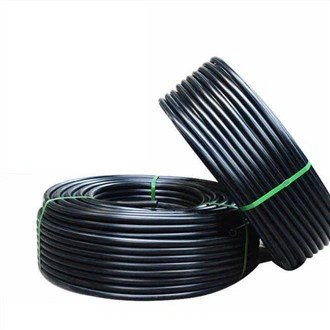
Hey there! As a supplier of LPG hoses, I often get asked about the modulus of elasticity of these hoses. It's a pretty technical topic, but I'll do my best to break it down in a way that's easy to understand.
So, what exactly is the modulus of elasticity? In simple terms, it's a measure of how much a material will stretch or deform when a force is applied to it. Think of it like a rubber band. If you pull on a rubber band, it stretches. The more force you apply, the more it stretches. But different rubber bands have different levels of stretchiness. Some are really stretchy and can be pulled a long way, while others are stiffer and don't stretch as much. The modulus of elasticity is a way to quantify this property for different materials.
For LPG hoses, the modulus of elasticity is an important factor because it affects how the hose will perform under different conditions. LPG, or liquefied petroleum gas, is a highly flammable substance that needs to be transported safely. The hose needs to be able to withstand the pressure of the gas without leaking or bursting. If the hose is too stiff, it might crack or break under pressure. On the other hand, if it's too stretchy, it could expand too much and cause a leak.
The modulus of elasticity of an LPG hose depends on several factors, including the material it's made from, the thickness of the hose walls, and the manufacturing process. Most LPG hoses are made from rubber or a combination of rubber and other materials. Rubber is a popular choice because it's flexible, durable, and resistant to chemicals. However, different types of rubber have different moduli of elasticity.
For example, natural rubber has a relatively low modulus of elasticity, which means it's very stretchy. This can be an advantage in some applications because it allows the hose to bend and flex without breaking. But for LPG hoses, a low modulus of elasticity might not be ideal because the hose could expand too much under pressure. Synthetic rubbers, such as neoprene and nitrile, have higher moduli of elasticity, which means they're stiffer and less likely to stretch. These types of rubbers are often used in LPG hoses because they can better withstand the pressure of the gas.
The thickness of the hose walls also plays a role in the modulus of elasticity. A thicker hose wall will generally have a higher modulus of elasticity than a thinner one. This is because the thicker wall provides more resistance to deformation. However, a thicker hose wall also means a heavier and more expensive hose. So, there's a trade-off between strength and cost.
The manufacturing process can also affect the modulus of elasticity of an LPG hose. For example, hoses that are vulcanized (a process that involves heating the rubber to make it stronger and more durable) will generally have a higher modulus of elasticity than hoses that aren't vulcanized. This is because vulcanization cross-links the rubber molecules, making them more rigid and less likely to stretch.


So, how do you determine the modulus of elasticity of an LPG hose? Well, there are several methods that can be used. One common method is to perform a tensile test. In a tensile test, a sample of the hose is clamped at both ends and pulled until it breaks. The amount of force required to break the sample is measured, as well as the amount of stretch that occurs before it breaks. From these measurements, the modulus of elasticity can be calculated.
Another method is to use a dynamic mechanical analyzer (DMA). A DMA measures the mechanical properties of a material as it's subjected to a dynamic force (such as vibration or oscillation). This can provide information about the modulus of elasticity, as well as other properties such as damping and stiffness.
As a supplier of LPG hoses, I understand the importance of providing high-quality hoses that meet the needs of my customers. That's why I work with manufacturers who use the latest technology and materials to produce hoses with the right modulus of elasticity. Whether you need a Gas Pipe And Hose, a 9mm Lpg Hose, or a Rubber Hose To Lgp, I can help you find the right hose for your application.
If you're in the market for an LPG hose, I encourage you to contact me to discuss your requirements. I can provide you with more information about the modulus of elasticity of our hoses, as well as other important properties such as pressure rating, temperature range, and chemical resistance. I can also help you choose the right hose for your specific application based on your needs and budget.
In conclusion, the modulus of elasticity is an important property of an LPG hose that affects its performance and safety. By understanding the factors that affect the modulus of elasticity, you can make an informed decision when choosing an LPG hose for your application. Whether you're a distributor, a contractor, or an end-user, I'm here to help you find the right hose for your needs. So, don't hesitate to contact me to start the conversation.
References
- ASTM International. (2023). Standard test methods for rubber properties in tension. ASTM D412-16.
- ISO. (2023). Rubber, vulcanized or thermoplastic - Determination of tensile stress - strain properties. ISO 37:2017.
- Rubber Manufacturers Association. (2023). Technical information on rubber hoses. RMA guidelines.