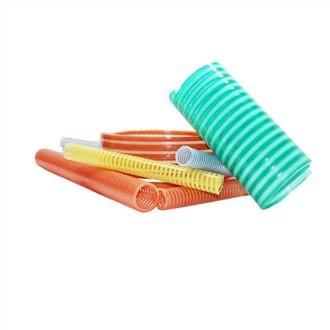
Hey there! As an industrial hose supplier, I often get asked about the minimum bend radius of industrial hoses. It's a crucial topic because getting it wrong can lead to all sorts of problems, from reduced hose lifespan to serious safety hazards. So, let's dive right in and break down what the minimum bend radius is and why it matters.
What Exactly is the Minimum Bend Radius?
The minimum bend radius of an industrial hose is the smallest radius at which the hose can be bent without causing damage to its structure or affecting its performance. Think of it like trying to bend a straw too sharply. If you bend it too much, the straw might kink, and the liquid won't flow through it properly. The same principle applies to industrial hoses.
When a hose is bent beyond its minimum bend radius, several things can happen. The inner lining of the hose can get pinched, which restricts the flow of the fluid or gas it's carrying. This can lead to increased pressure within the hose, which in turn can cause leaks, bursts, or other failures. Additionally, excessive bending can damage the reinforcement layers of the hose, weakening its overall strength and durability.
Why Does the Minimum Bend Radius Matter?
The minimum bend radius is not just a random number; it's based on the design and construction of the hose. Different types of hoses have different minimum bend radii, depending on factors such as the hose material, the size of the hose, and the type of reinforcement used.
For example, a 4'' Black Nitrile Hose might have a different minimum bend radius compared to a Fuel Hose Gasoline. Nitrile hoses are known for their resistance to oil and fuel, but they also have specific requirements when it comes to bending. If you bend a nitrile hose too sharply, it can cause the inner lining to crack, which can lead to leaks and potential safety issues.
On the other hand, a high-pressure hose like the High Pressure Fuel Hose is designed to withstand much higher pressures than a standard hose. However, this also means that it has a more rigid structure, and bending it beyond its minimum bend radius can cause the reinforcement layers to break, leading to a catastrophic failure.
Factors Affecting the Minimum Bend Radius
Several factors can affect the minimum bend radius of an industrial hose. Let's take a look at some of the most important ones:
Hose Material
The material of the hose plays a significant role in determining its minimum bend radius. Some materials, like rubber, are more flexible than others, such as PVC. Rubber hoses can generally be bent to a smaller radius without causing damage, while PVC hoses are more rigid and require a larger bend radius.
Hose Size
The size of the hose also affects its minimum bend radius. Generally, larger hoses have a larger minimum bend radius than smaller hoses. This is because larger hoses have more material and a greater cross-sectional area, which makes them more difficult to bend.
Reinforcement Type
The type of reinforcement used in the hose can also impact its minimum bend radius. Hoses with multiple layers of reinforcement, such as braided or spiral-wound hoses, are generally more flexible than hoses with a single layer of reinforcement. This is because the multiple layers of reinforcement distribute the stress more evenly when the hose is bent.
Operating Conditions
The operating conditions of the hose, such as temperature, pressure, and the type of fluid or gas being carried, can also affect its minimum bend radius. For example, hoses that are exposed to high temperatures or pressures may have a larger minimum bend radius to prevent damage to the hose.
How to Determine the Minimum Bend Radius
Determining the minimum bend radius of an industrial hose is not always straightforward. The best way to find out the minimum bend radius for a specific hose is to refer to the manufacturer's specifications. The manufacturer will provide the minimum bend radius for each type of hose they produce, based on the design and construction of the hose.
If you don't have access to the manufacturer's specifications, you can also use some general guidelines to estimate the minimum bend radius. As a rule of thumb, the minimum bend radius of a hose is usually between 3 and 10 times the outside diameter of the hose. However, this is just a rough estimate, and the actual minimum bend radius may vary depending on the factors mentioned above.


Importance of Following the Minimum Bend Radius
Following the minimum bend radius is crucial for ensuring the safe and efficient operation of industrial hoses. By bending the hose within its recommended minimum bend radius, you can prevent damage to the hose, reduce the risk of leaks and failures, and extend the lifespan of the hose.
In addition to safety and performance, following the minimum bend radius can also help you comply with industry standards and regulations. Many industries, such as the oil and gas, chemical, and food and beverage industries, have specific requirements for the installation and use of industrial hoses. By following the minimum bend radius, you can ensure that your hoses meet these requirements and avoid potential fines or penalties.
Conclusion
In conclusion, the minimum bend radius of an industrial hose is a critical factor that should not be overlooked. It's important to understand what the minimum bend radius is, why it matters, and how to determine it for your specific hose. By following the recommended minimum bend radius, you can ensure the safe and efficient operation of your industrial hoses, reduce the risk of failures, and extend the lifespan of your equipment.
If you're in the market for industrial hoses and have any questions about the minimum bend radius or any other aspect of hose selection and installation, don't hesitate to reach out. We're here to help you find the right hoses for your needs and ensure that they are installed and used correctly. Contact us today to start the conversation and let's work together to find the perfect solution for your industrial hose requirements!
References
- Industrial Hose Handbook
- Manufacturer's Specifications for Industrial Hoses
- Industry Standards and Regulations for Industrial Hoses